
The human body is a crowded city of cells, on the order of 37 trillion individual units, all descended from a single fertilized egg. Almost every one of those cells carries an almost identical copy of DNA, yet this shared instruction manual somehow produces brains, bones, blood and skin that behave in radically different ways.
That basic fact is reshaping how researchers think about health, identity and disease. As scientists map what each cell type does and how it changes over time, they are starting to treat the body less like a single organism and more like a dynamic ecosystem that can be measured, steered and, in some cases, repaired.
How scientists reframed the body as a 37 trillion cell collective
For a long time, textbook figures for cell counts were little more than educated guesses. More recent work, which combines organ volumes, cell sizes and blood measurements, has converged on an estimate of roughly 37 trillion human cells in an adult body, a figure that has become a standard reference in modern biology. Some analyses put the total slightly higher, at about 37.2 trillion, which still conveys the same basic message, that every person carries an astronomical number of living units inside their skin.
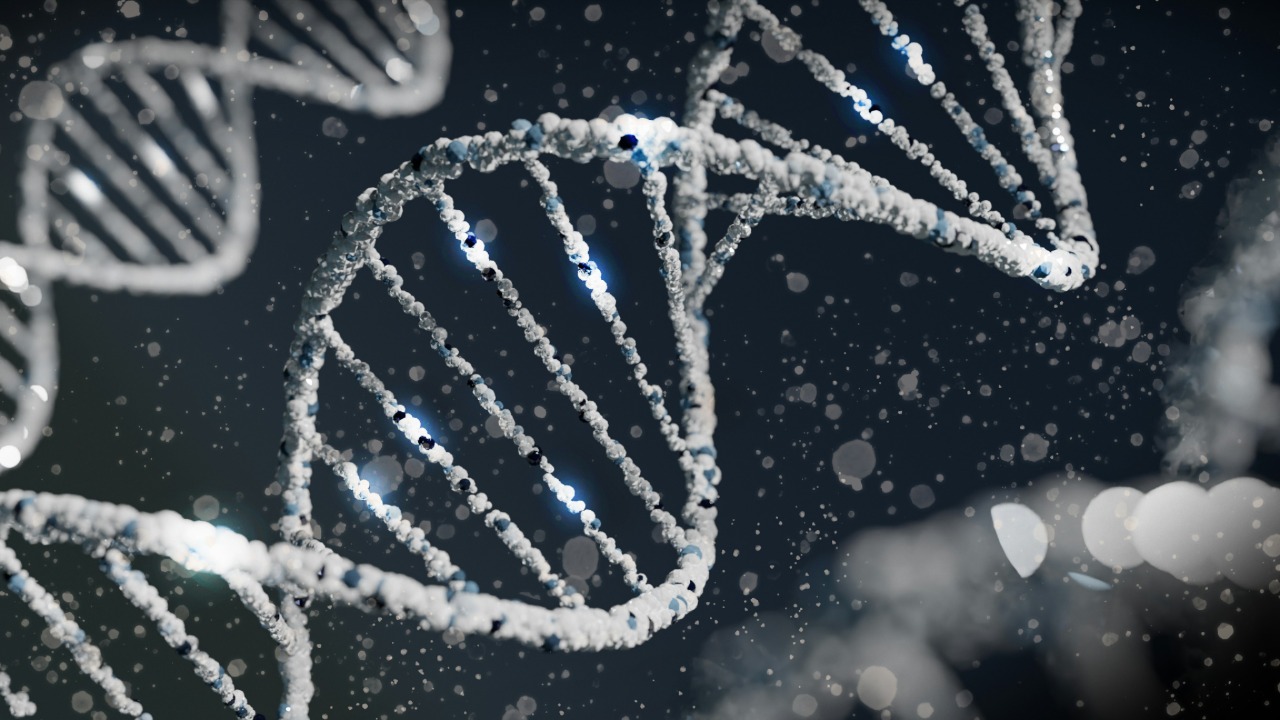
Each of those cells traces back to a single zygote that formed at conception, which divided again and again until a whole body emerged. With rare exceptions such as red blood cells, nearly all of these descendants keep a full copy of the original genome. The same sequence of A, T, C and G bases appears in a neuron in the cortex, a muscle cell in the calf and an immune cell patrolling the gut. What changes is not the letters themselves but which genes are switched on or off, and how that pattern shifts as cells specialize.
Researchers now talk about a kind of census of the body, sometimes called a human cell atlas, that aims to catalogue every distinct cell type, where it sits and which genes it uses. One analysis of this effort highlights how a better understanding of the 37 trillion cells could rewire approaches to diagnosis and treatment. Instead of asking only what organ is sick, clinicians could ask which cell populations have gone off script and why.
At the same time, the headline number is still being refined. Some assessments that include a wider range of small cell types have suggested totals closer to 37.2 trillion cells, which illustrates how rapidly methods are improving. The precise figure matters less than the conceptual shift, that the body is not a single block of tissue but an enormous federation of individual units that cooperate, compete and sometimes fail.
Inside the cellular machinery that makes sameness look different
To understand how one genome can produce such variety, it helps to zoom in on the architecture of a single cell. Animal cells share core parts such as a membrane that defines the boundary, cytoplasm that fills the interior, mitochondria that generate energy and a nucleus that houses DNA. Educational explainers on cell parts describe how these components appear across animal and plant cells, and how eukaryotic cells like those in the human body differ from simpler prokaryotes.
In humans, the nucleus is the critical link between shared DNA and diverse outcomes. Different cell types fold and package chromosomes in distinct ways, which changes how easily particular genes can be read. Chemical tags on DNA and histone proteins further tune this access. Over a lifetime, exposure to hormones, nutrients, infections and pollutants can alter those tags, so two cells with the same sequence can behave differently depending on their history.
Specialization starts early in development, when groups of cells commit to broad fates such as neural, muscle or blood. Within those lineages, further branching decisions create hundreds of distinct cell types, from insulin producing beta cells in the pancreas to photoreceptors in the retina. All keep the same genetic book on the shelf, but each cell type opens only certain chapters. When that selective reading process goes wrong, the result can be cancer, autoimmune disease or developmental disorders.
Even apparent exceptions reinforce the rule. Mature red blood cells eject their nuclei and therefore lose their DNA, yet they are produced by stem cells in the bone marrow that still carry the full genome. Sperm and egg cells hold only half the usual complement of chromosomes, but when they fuse, the full instruction set is restored. The system is built so that the shared genetic script can be passed on, edited by experience and occasionally miscopied, which seeds both evolution and disease.
The body that keeps replacing itself from the same genetic script
The population of cells in a body is not fixed. Every day, vast numbers die and are replaced, a process that quietly rebuilds a person from the inside out. One analysis estimated that roughly 330 billion cells are turned over daily, which means that within a few months, a large share of the material in a body has been swapped for new versions. Reporting on this work describes how 330 billion cells are replaced every day, so the person finishing a paragraph is not made of exactly the same matter as the person who started it.
Turnover rates differ widely by tissue. Cells lining the gut can last only a few days, skin cells are shed and renewed on the order of weeks, while many neurons in the brain persist for decades. Yet the replacements are usually near perfect copies of their predecessors because they inherit the same DNA and the same general pattern of gene activity. This continuity allows identity and memory to persist, even as the hardware is gradually swapped out.
From a medical perspective, this constant rebuilding is both a vulnerability and an opportunity. Rapidly dividing cells are more likely to accumulate mutations, which helps explain why tissues like the colon and skin are common sites of cancer. At the same time, high turnover offers a way to reset damaged systems. Therapies that nudge stem cells to produce healthier progeny, or that correct a harmful mutation in dividing cells, can exploit the body’s own renewal cycle.
The insight that matter changes while information persists also shapes debates about aging. Some researchers argue that age related disease reflects accumulated errors in how cells interpret DNA, rather than irreparable damage to the sequence itself. If that is right, then treatments that restore youthful patterns of gene expression might rejuvenate tissues without replacing the entire genome.
Why shared DNA still leaves room for trillions of other passengers
The story of trillions of cells with matching DNA is only part of the picture. Human tissues are also home to vast numbers of microbes and viruses that carry entirely different genetic codes. The gut alone hosts bacteria that rival human cells in number, and the body is suffused with viral particles that interact with cells in intricate ways.
Researchers now talk about a human virome, the collection of viruses that live in and on the body. Many of these viruses infect bacteria rather than human cells, and some appear to help keep microbial communities in balance. Reporting on the trillions of viruses inside the body describes how some viral passengers may even support immune function and digestion. In that sense, a person is not just a clone army of human cells but a crowded ecosystem of cooperating and competing genomes.
This microbial and viral context matters because it can influence how human DNA is read. Signals from gut bacteria, for example, can affect gene expression in immune cells, which in turn shapes inflammation and susceptibility to disease. Viral infections can leave genetic fragments behind in the genome, and some of those fragments are now co opted for human functions such as placental development.