
Washington, D.C. is bracing for several days that could reach or exceed 100 degrees as a sprawling heat dome settles over the eastern United States. Forecast models point to a stretch where the city feels closer to the hottest parts of the Southwest than a typical mid-Atlantic summer, with humidity pushing heat index values even higher. For a region with aging infrastructure and stark neighborhood inequities, the timing and intensity of this heat wave raise urgent questions about readiness and risk.
How the heat dome shifted to put Washington, D.C. in the bull’s-eye
The pattern driving this extreme spell is a classic heat dome, a strong ridge of high pressure that traps hot air and suppresses cloud cover across a broad area. Meteorologists tracking this system expect it to spread 90 to 100 degree temperatures over roughly 200 million people from late June into early July, a footprint that stretches from the central states to the Atlantic seaboard and includes the nation’s capital at its core. Forecast discussions describe a multi-day event in which daytime highs stack up with little overnight relief, a setup that has historically produced sharp spikes in heat-related illness.
Early in the outbreak, the most intense readings focused on the central United States. As the ridge has expanded and shifted east, model guidance now places cities like Washington, D.C., Baltimore, Philadelphia, and New York under some of the highest thickness values and strongest subsidence, a signal that the hottest air aloft is moving overhead. National outlets tracking the pattern note that the same dome driving triple-digit readings in the interior is expected to push major East Coast metros into the upper 90s and near 100 degrees, especially around the Independence Day holiday, as the circulation funnels hot, dry air from the south and west into the mid-Atlantic corridor.
That holiday timing matters. Forecasts that highlight the hottest cities for the July 4 period flag Washington among locations likely to see extreme heat pile onto outdoor celebrations, parades, and fireworks events. Those projections suggest that the capital could log several afternoons near 100 degrees as the dome peaks, with clear skies and light winds limiting any natural cooling. Combined with the District’s dense urban core and abundant pavement, that setup makes the city particularly vulnerable to the kind of oppressive, stagnant conditions that define a severe heat episode.
The reach of this pattern is evident in other regions already under similar strain. In New England, forecasters are warning that Boston could face a string of days in the mid to upper 90s and potentially break local records around the holiday, a reminder that this is a continental-scale event rather than a localized anomaly. The fact that cities from the Gulf Coast to the Canadian border are simultaneously dealing with excessive heat speaks to how firmly this dome has locked in, limiting the chances for cooler air to sweep through and reset temperatures.
Why a 100-degree stretch in the capital is a public health emergency, not just a weather story
Triple-digit heat in Washington, D.C. carries consequences that extend far beyond discomfort. Public health experts consistently rank extreme heat as one of the deadliest weather hazards in the United States, in part because its impacts are diffuse and often undercounted. When temperatures climb toward 100 degrees for several days in a row, emergency rooms typically see more cases of heat exhaustion, dehydration, and cardiovascular stress, particularly among older adults, outdoor workers, and people with preexisting conditions. In a city where many residents live in older buildings with limited or inefficient air conditioning, that risk is magnified.
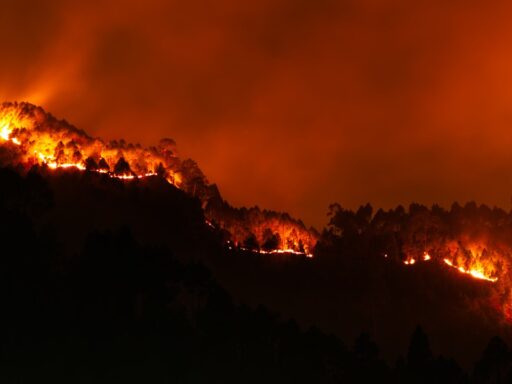
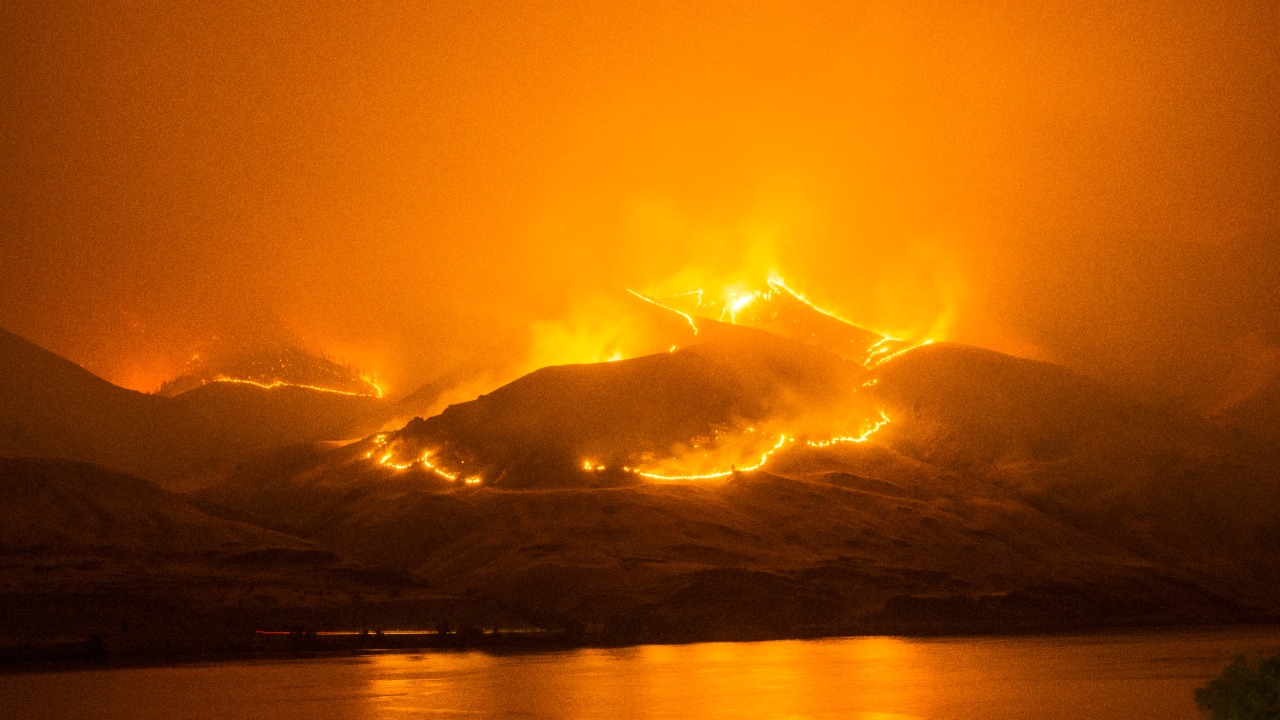
National climate reporting on this heat dome has emphasized how compounding stresses, such as wildfire smoke and poor air quality, can turn a hot spell into a wider environmental health crisis. As the dome intensifies over the central and eastern United States, fire weather conditions are worsening in some regions, and smoke from distant blazes can drift into urban corridors. If that happens while Washington is near 100 degrees, residents could face a double exposure of extreme heat and elevated particulate pollution, a combination that strains respiratory and cardiovascular systems and disproportionately harms children, seniors, and people with asthma.
Experience from other cities offers a stark warning. Five years after Portland’s deadly heat dome, which drove temperatures to levels that overwhelmed residents and emergency services, local officials in Oregon still assess whether they are prepared for a similar event. That episode exposed gaps in cooling center capacity, communication with vulnerable communities, and building standards that failed to keep indoor temperatures safe. The Portland review underscores how quickly a few days of record heat can translate into dozens or even hundreds of excess deaths when systems are not ready.
Washington shares several of those vulnerabilities. Large portions of the city’s housing stock are older rowhouses and multifamily buildings that retain heat overnight, while tree cover and green space are unevenly distributed across neighborhoods. Studies of urban heat islands routinely find that lower income and predominantly Black neighborhoods record higher surface temperatures than leafier, wealthier areas, often by several degrees. During a run of 100 degree days, that gap can mean the difference between an uncomfortable evening and a life-threatening indoor environment, particularly for residents who cannot afford to run air conditioning continuously.
The strain does not stop at the household level. Power demand surges during major heat waves as millions of air conditioners run at full throttle, increasing the risk of outages. While grid operators in the eastern United States have improved planning for summer peaks, a prolonged dome that covers multiple regions at once tests those safeguards. Public transit systems, including Metro rail, must watch for track buckling and equipment failures, and outdoor workers in construction, landscaping, and delivery face longer hours in dangerous conditions unless employers adjust schedules or provide additional protections.
How Washington can navigate the peak and prepare for the next heat dome
As the dome intensifies, the immediate priority for Washington, D.C. is basic protection: keeping people cool, hydrated, and informed. Public agencies typically open cooling centers in libraries, recreation facilities, and other public buildings when heat index values cross defined thresholds. During a stretch where actual temperatures may reach 100 degrees on several days, those centers become essential lifelines for residents without reliable air conditioning or those experiencing outages. Clear communication about locations, hours, and transportation options can determine whether vulnerable residents are able to use them.
Forecasts that highlight the breadth of this event, with 90 to 100 degree readings affecting roughly 200 million people, also suggest that mutual aid resources may be stretched as multiple states compete for mobile cooling units, medical staff, and federal support. That reality increases the importance of local planning, from stocking community organizations with fans and water to coordinating welfare checks on homebound residents. Neighborhood-level strategies, such as deploying volunteers to knock on doors in high-risk blocks, can catch emergencies that do not show up in official data until it is too late.
Looking just beyond the peak, the current heat dome is a preview of what climate scientists expect to become more common as greenhouse gas concentrations rise. Reporting on the central and eastern United States links this event to a broader pattern of more frequent and intense heat waves, with higher nighttime lows and longer durations. For Washington, that means the question is not whether another run of 100 degree days will occur, but how the city can reduce the harm when it does. Long-term adaptation will require decisions about building codes, energy systems, and urban design that extend far beyond any single forecast cycle.