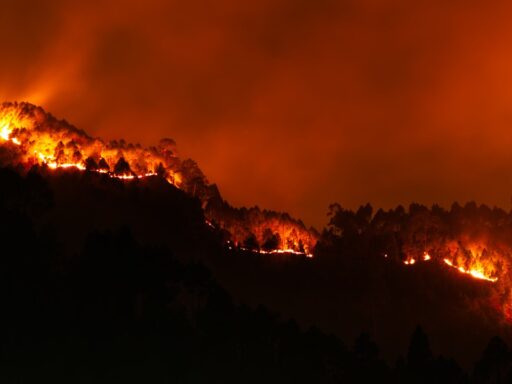
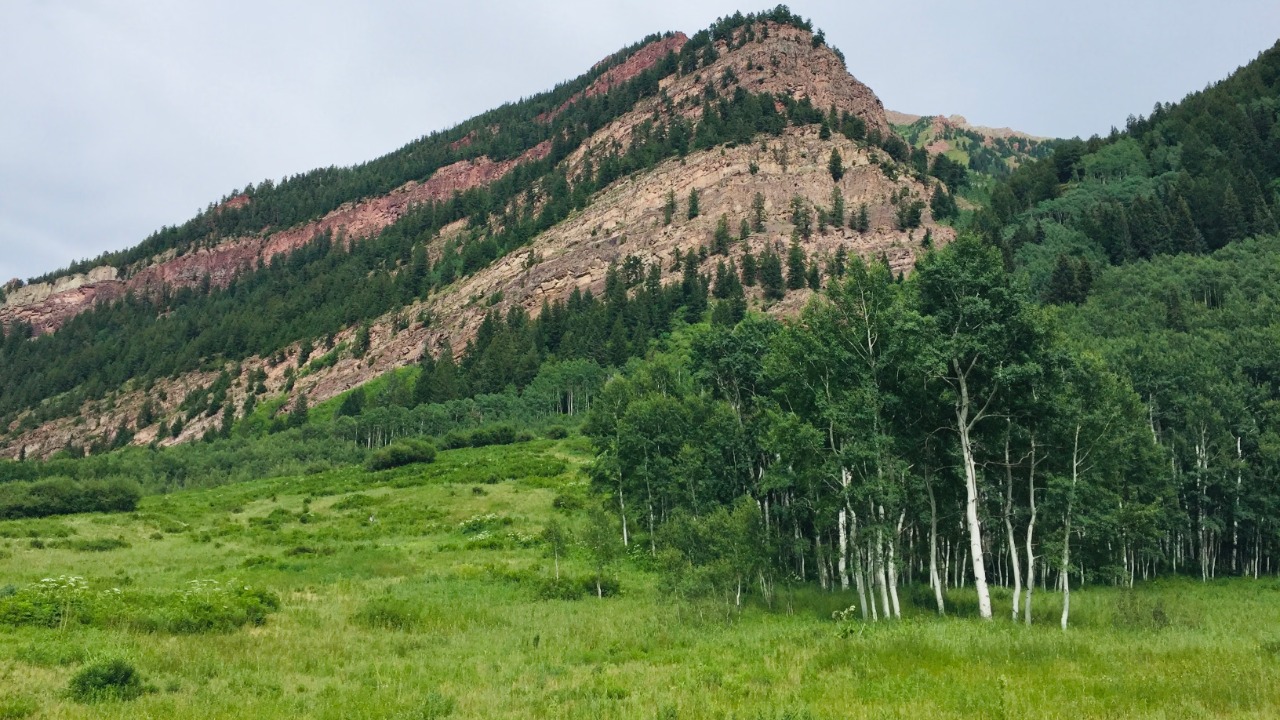

The Aspen Acres Fire in southern Colorado turned from a manageable blaze into a regional crisis when it surged to 23,100 acres in a single day and forced the near-emptying of Custer County. The rapid spread, driven by wind, dry fuels, and rugged terrain, pushed residents to evacuate with little warning and left firefighters racing to protect homes and infrastructure. The fire’s behavior has become a stark example of how quickly conditions on the ground can change in the modern West.
How the Aspen Acres Fire turned into a fast-moving emergency
Authorities initially tracked the Aspen Acres Fire as one of several wildfires burning across Colorado’s high country. That changed when the blaze expanded to 23,100 acres within roughly twenty-four hours, a growth rate that local officials described as explosive and that prompted a sweeping evacuation of Custer County. The scale and speed of the expansion, detailed in early incident reports and local briefings, transformed the fire from a localized threat into a regional emergency.
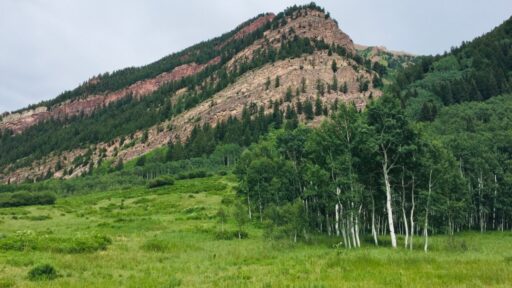
Residents in communities scattered across the Wet Mountain Valley were ordered to leave as the fire crossed natural barriers and moved closer to homes, ranches, and small businesses. Law enforcement and emergency managers shifted quickly from targeted warnings to broad evacuation orders, effectively emptying much of the county as smoke columns built over the Sangre de Cristo foothills. The decision to clear out entire areas reflected both the fire’s unpredictable spread and limited safe escape routes through the mountain passes.
Fire crews from multiple agencies converged on the incident, staging engines and hand crews along key road corridors and near clusters of homes. Aerial resources were deployed where visibility allowed, but steep terrain and shifting winds complicated air drops and line construction. Incident commanders emphasized structure protection in the wildland urban interface, where scattered houses and cabins sit in dense forest and grassland that had dried out over weeks of hot, windy weather.
Local reporting described how the fire’s growth overwhelmed earlier containment lines and pushed into new drainage systems, forcing firefighters to fall back to more defensible positions. That shift in strategy, from direct attack to point protection, mirrored tactics seen on other large Western fires when conditions become too dangerous for crews to stay on the line. The priority became life safety for residents and responders, followed by the protection of critical infrastructure like power lines and communication towers.
Officials in Custer County framed the evacuation as an urgent but necessary step to prevent loss of life. Shelters opened in neighboring counties and along the Front Range, where evacuees arrived with pets, livestock trailers, and packed vehicles. For many, the speed of the fire’s advance meant leaving behind belongings and in some cases livestock that could not be moved in time. The human disruption underscored how a single day of extreme fire behavior can upend an entire rural community.
Why the Aspen Acres disaster resonates far beyond Custer County
The Aspen Acres Fire matters well beyond the Wet Mountain Valley because it illustrates how Western wildfire seasons are increasingly defined by sudden, large-scale events rather than slow, predictable burns. A blaze that can leap to 23,100 acres in one day compresses decision-making for local leaders and residents, leaving little margin for error. The experience in Custer County shows how quickly an incident can escalate from smoke on a ridge to a countywide evacuation.
Fire managers have long warned that hotter summers, extended drought, and dense fuels in Colorado’s forests are creating conditions for more extreme fire behavior. The Aspen Acres incident fits that pattern, with dry vegetation and gusty winds allowing flames to run through timber and grass at high speed. For residents, the lesson is that traditional mental models of wildfire, where people watch a fire for days before it becomes a direct threat, no longer always apply.
The evacuation of Custer County also highlights the vulnerability of rural infrastructure and emergency systems. Many mountain communities rely on a limited number of paved roads for ingress and egress, which can quickly become chokepoints when thousands of people try to leave at once. In the Aspen Acres response, law enforcement had to manage traffic while also keeping routes open for fire equipment and support vehicles, a balance that grows more difficult as fires move faster.
Economic impacts will likely ripple through the region long after the flames are contained. Custer County leans heavily on tourism, second homes, and outdoor recreation in the Sangre de Cristo range. A large wildfire that fills the valley with smoke, damages trails, and threatens cabins can depress visitor numbers and property values for seasons to come. Ranchers and small business owners face added uncertainty if grazing lands, fences, or outbuildings are damaged.
At the same time, the fire has become a rallying point for discussions about preparedness and land management. Local leaders and residents are already confronting questions about defensible space around homes, the adequacy of evacuation planning, and the need for more aggressive forest thinning. The Aspen Acres experience reinforces the argument that communities on Colorado’s forested fringes need to treat wildfire as a recurring feature of life, not an occasional anomaly.
The scale of the event has drawn broader attention through coverage that described how the fire “exploded” in size and “emptied” a rural county. That framing, captured in reports such as the account of Custer County evacuations, feeds into a national conversation about whether current firefighting resources, communication systems, and land use policies are keeping pace with the new fire reality.
How officials and residents are preparing for the next phase
In the near term, the focus around the Aspen Acres Fire is on containment, damage assessment, and getting evacuees safely back home. Incident commanders will look for windows of lighter winds and higher humidity to strengthen fire lines and conduct burnout operations where necessary. Ground crews will continue to patrol for spot fires, especially in canyons and tree stands where embers can linger and reignite.
Once the immediate threat recedes, attention will shift to the burn scar and the risk of flooding and debris flows. Steep slopes in the Sangre de Cristo foothills are prone to erosion after intense fire, which can send mud and ash into creeks and across roads during summer thunderstorms. Agencies will likely evaluate the need for emergency watershed treatments, culvert clearing, and temporary closures of affected recreation areas.
For Custer County residents, the next phase includes both practical recovery and emotional processing. Homeowners will return to check structures, wells, and outbuildings, while those who lost property will begin insurance claims and, in some cases, seek disaster assistance. Community meetings are expected to address not just rebuilding, but also future evacuation planning and communication upgrades, such as better alert systems and neighborhood-level preparedness networks.
State and local officials are also likely to review how the fire was detected, how quickly resources were mobilized, and whether any gaps emerged in mutual aid agreements. Large incidents like Aspen Acres often lead to after-action reports that recommend changes in training, equipment, or coordination between agencies. Those lessons can influence how Colorado prepares for the next fire season, from pre-positioning aircraft to funding additional hand crews.
Over the longer term, the Aspen Acres Fire will feed into debates over land management in and around Custer County. Questions will arise about whether more prescribed burning, mechanical thinning, or fuel breaks near communities might reduce the risk of similar rapid expansion in future fires. Residents who experienced the evacuation firsthand may push for stricter building codes in high-risk zones, including requirements for fire-resistant roofing, siding, and cleared vegetation around structures.