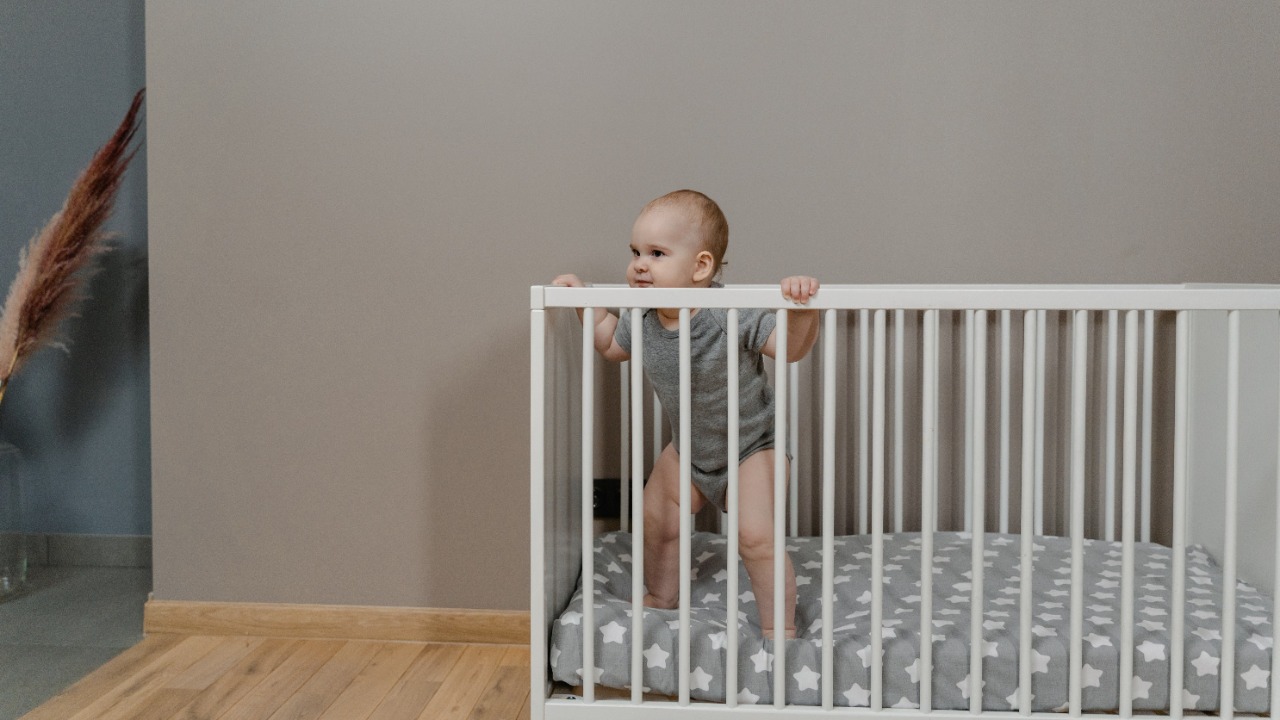

Crib mattresses sold under the Vomiliku name have been flagged by the U.S. Consumer Product Safety Commission after failing to meet federal fire-safety requirements. For parents, caregivers, and anyone buying nursery products online, this warning is a reminder that a crib mattress is not just a comfort item. It is a safety product used in one of the most vulnerable spaces in the home.
According to the official warning from the U.S. Consumer Product Safety Commission, Vomiliku full-sized crib mattresses violate the mandatory federal safety standard for mattress flammability. The agency said the mattresses pose a deadly fire hazard and urged consumers to stop using them immediately.
This is not a minor labeling issue or a simple packaging mistake. Fire safety standards for mattresses exist because bedding materials can contribute to dangerous fires if they do not meet required resistance levels. When the product is made for a baby’s crib, the concern becomes even more serious because infants cannot escape danger on their own.
What Happened With the Vomiliku Crib Mattresses?
The CPSC warning states that Vomiliku full-sized crib mattresses failed to comply with the federal mattress flammability standard. The mattresses also failed to meet mandatory warning and labeling requirements under the federal safety standard for crib mattresses.
That means the concern is not limited to how the mattress performs in a fire-risk situation. The product also lacked required safety information that helps consumers understand proper use, hazards, and compliance details. For baby products, clear warnings and accurate labels are part of the safety system. When they are missing or incomplete, parents may not have the information they need to make safe decisions.
The CPSC specifically urged consumers to stop using the mattresses immediately and dispose of them. The agency also warned consumers not to sell or give away the hazardous mattresses. That language matters because unsafe nursery products can continue circulating through resale platforms, donation groups, hand-me-downs, and local marketplaces long after the original buyer stops using them.
Why Federal Fire-Safety Rules Matter
Federal fire-safety rules for mattresses are designed to reduce the risk of ignition, fire spread, injury, and death. Mattresses are large fabric and foam products, and if they ignite easily, they can create a fast-moving danger inside a home. In a nursery, that risk is especially alarming because a sleeping infant depends entirely on adults for protection.
The CPSC mattress safety standards are part of a broader system of consumer product rules that manufacturers and sellers must follow before products reach families. These standards are not optional. They are meant to help ensure that mattresses sold in the United States meet baseline safety requirements.
When a crib mattress fails flammability requirements, the issue is not simply that it is less durable or lower quality. The concern is that the product may behave dangerously if exposed to a fire source. In a real emergency, every second matters. Fire-resistant performance can help slow ignition or reduce the speed at which a hazard becomes life-threatening.
Why This Warning Is Especially Important for Baby Products
Parents often focus on mattress firmness, waterproof covers, breathability claims, size, and comfort when buying a crib mattress. Those features can matter, but they should never replace basic compliance with safety standards. A crib mattress must be safe before it is comfortable.
Infants spend many hours sleeping, and a crib is supposed to be one of the safest places in the home. That is why regulators pay close attention to crib mattresses, bassinets, cribs, play yards, and other infant sleep products. Small differences in design, materials, thickness, labeling, and fit can create serious risks.
The Vomiliku warning is about fire hazard, but it also reminds consumers to check whether baby products meet mandatory rules before buying. Online marketplaces make it easy for unfamiliar brands to reach buyers quickly. That convenience is useful, but it can also make safety verification harder. A product listing may look polished, include attractive photos, and use reassuring words, but that does not automatically mean the item meets federal safety standards.
What Consumers Should Do Now
Anyone who owns a Vomiliku full-sized crib mattress should follow the CPSC’s warning and stop using it immediately. The agency says consumers should dispose of the mattresses and should not sell, donate, or give them away. This is important because passing the product to another family could transfer the danger to another child.
Parents should also check any secondhand crib mattress they have received from friends, family, local sellers, or online groups. A recalled or warned-against product may not always come with the original packaging, receipt, or product listing. If the brand name, label, or construction looks like the product described in the CPSC warning, it is safer to verify before using it.
The official CPSC website is the best place to check current safety alerts. Consumers can search product recalls and warnings directly through the CPSC recalls page. This is especially useful before buying used nursery items or accepting hand-me-down baby products.
The Problem With Unsafe Products Sold Online
The Vomiliku crib mattress warning also highlights a growing concern in consumer safety: unsafe products can appear on online marketplaces before many buyers realize there is a problem. Online shopping has made baby gear more accessible, but it has also created a wider path for products from lesser-known brands, third-party sellers, and imported goods to reach families.
Many parents search for affordable crib mattresses and compare products based on price, reviews, delivery speed, and product photos. But low price and fast shipping do not guarantee compliance. A mattress can look soft, clean, and well-designed while still failing a mandatory safety rule.
This is why buyers should be careful with unfamiliar brands, especially for infant sleep products. Before purchasing, it is worth checking whether the product clearly states compliance with U.S. safety standards, includes proper warning labels, provides a manufacturer contact, and has a traceable seller. If the listing has vague safety claims, poor labeling, inconsistent product details, or no reliable brand information, that should raise concern.
Why Labels and Warnings Are Not Just Small Details
The CPSC warning says the Vomiliku mattresses also failed to meet mandatory safety requirements for warnings and labeling. Some consumers may see labels as paperwork, but for regulated baby products, labels are part of the safety design.
A proper label can identify the product, manufacturer, model, production information, warnings, and usage instructions. This helps parents use the product correctly, and it helps regulators and consumers identify affected products when a safety problem is discovered.
When labeling is missing or incorrect, it becomes harder to trace the product, confirm whether it is affected by a warning, or understand what safety rules it was supposed to meet. In the case of baby products, that lack of clarity can increase risk because caregivers may continue using an unsafe item without realizing there is a problem.
How Parents Can Choose a Safer Crib Mattress
A safe crib mattress should fit the crib properly, meet federal safety standards, have clear labeling, and come from a reliable manufacturer or seller. Parents should avoid making a crib mattress decision based only on price or online ratings. Reviews can be helpful for comfort and durability, but they do not prove regulatory compliance.
The American Academy of Pediatrics recommends a firm, flat, non-inclined sleep surface for babies as part of safe sleep guidance. A crib mattress should not be too soft, should not leave gaps at the crib edges, and should be used with a fitted sheet designed for that mattress size.
Fire safety is another layer of protection. A crib mattress must be designed not only for sleep comfort but also for compliance with flammability and crib mattress standards. Parents should look for products that clearly mention compliance with applicable U.S. rules and avoid products that make vague marketing claims without specific safety information.
Why Secondhand Crib Mattresses Need Extra Attention
Secondhand baby products can save money, but they require extra caution. A used crib mattress may be missing labels, instructions, packaging, or product history. It may also have been recalled, damaged, modified, stored poorly, or exposed to moisture.
When a product has an official warning, it should not be resold or passed along. The CPSC’s instruction not to sell or give away the Vomiliku mattresses is meant to stop the hazard from moving from one household to another.
Before using any secondhand crib mattress, parents should check the brand, model, labels, condition, firmness, fit, and recall status. If the product cannot be clearly identified, it may not be worth the risk. For infant sleep, uncertainty is a serious problem.
What This Means for Retailers and Online Sellers
This warning is not only a message for parents. It is also a reminder for sellers and online platforms. Products intended for babies must meet mandatory safety standards before they are sold. Retailers and sellers should verify compliance, maintain accurate listings, provide required labels and warnings, and remove hazardous products quickly when safety concerns arise.
Online platforms also play a major role because many consumers trust that products listed for sale have already been checked. When unsafe products appear in search results, the risk reaches families directly. Stronger listing checks, faster response to CPSC warnings, and clearer compliance requirements could help reduce the spread of unsafe baby products.
The Bigger Lesson for Nursery Safety
The Vomiliku crib mattress warning is part of a larger lesson about nursery safety. A product can look normal and still fail an important safety rule. A listing can sound reassuring and still lack required compliance. A mattress can be marketed for babies and still create a serious hazard.
Parents should treat crib mattresses, cribs, bassinets, play yards, infant loungers, and sleep accessories as safety-sensitive products. Before buying, it is worth checking the CPSC website, reading the manufacturer information, and avoiding products that do not provide clear safety details.
This does not mean parents need to feel afraid of every baby product. It means they should be selective. A safe sleep environment depends on simple, proven decisions: a firm mattress, a properly fitted sheet, no loose bedding, no pillows, no soft toys, and products that meet required safety standards.
Final Takeaway
The CPSC’s warning about Vomiliku full-sized crib mattresses is serious because the products failed federal mattress flammability requirements and also failed required warning and labeling standards. The agency says consumers should stop using the mattresses immediately, dispose of them, and avoid selling or giving them away.
For parents and caregivers, the key message is clear. A crib mattress should never be chosen by appearance, price, or marketing claims alone. It must meet safety standards, include proper labeling, fit correctly, and come from a reliable source.
The Vomiliku case is a reminder that nursery safety starts before the baby sleeps. It starts at the moment a product is selected, checked, and placed inside the crib. When a product fails mandatory safety rules, the safest decision is to remove it from use and choose a compliant replacement.