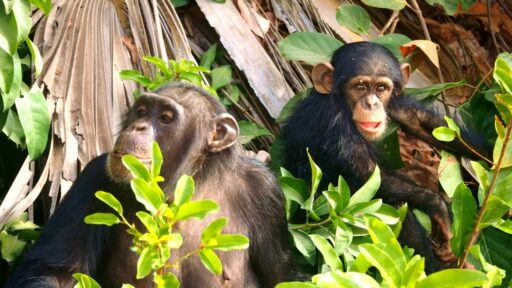
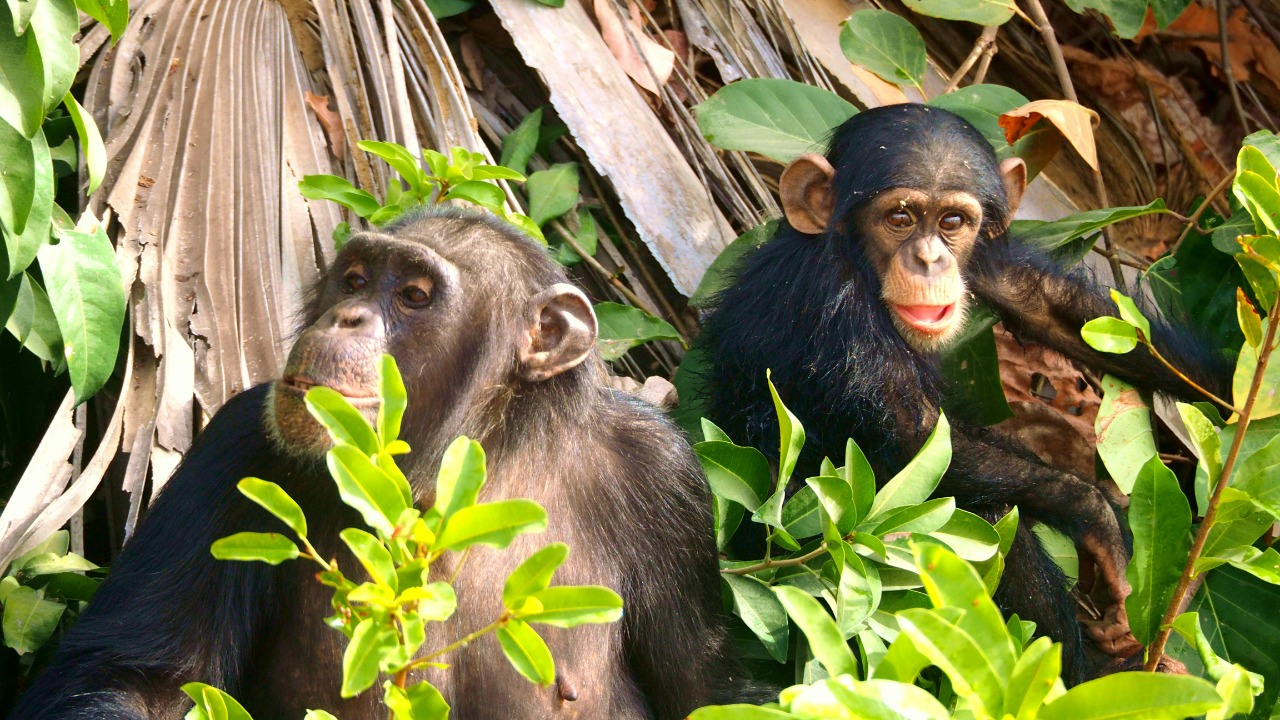

In the forests of western Uganda, a once-unified community of chimpanzees has fractured into warring factions, leaving a trail of dead apes and stunned researchers. What began as a political split inside the famed Ngogo group in Kibale National Park has turned into what scientists are calling the first documented civil war among wild chimpanzees. The violence is reshaping ideas about primate behavior and forcing a reckoning with how closely chimp society can mirror human conflict.
What happened
The Ngogo chimpanzees live in Kibale National Park in western Uganda and have been studied for decades by primatologists who track their social alliances, feeding grounds, and territorial patrols. For years, Ngogo was known as an unusually large and powerful community, with more than 200 individuals at its peak and a territory that dwarfed neighboring groups. Researchers documented complex male coalitions, shifting friendships, and political maneuvering inside a single, dominant community.
That stability began to crack when internal tensions grew among adult males competing for status and access to females. According to field reports, the once cohesive Ngogo chimps gradually sorted into two factions that spent more time apart, fed in different parts of the forest, and formed separate grooming networks. Over time, those social rifts hardened into geographic separation, and the former single community effectively split into two neighboring groups that still shared a long, contested boundary inside Kibale National Park.
Once the split solidified, encounters along that frontier turned increasingly violent. Patrols of adult males from one side began to cross into the other side’s range, searching the forest in coordinated lines. When they encountered isolated individuals from the rival group, they attacked with overwhelming numbers, biting, beating, and sometimes killing their opponents. Observers recorded multiple lethal raids in which coalitions targeted adult males, younger males, and even juveniles, leaving bodies that were later recovered and cataloged by the research team.
Researchers following the Ngogo chimps describe the conflict as a drawn-out campaign, not a single outbreak of aggression. Over several years, the two factions have launched repeated incursions, sometimes returning to the same border zones where earlier attacks occurred. One account notes that at least a dozen chimps have been killed in these clashes, including high-ranking males whose deaths reshaped the political order on both sides. The pattern of repeated raids, organized patrols, and strategic targeting of rivals led scientists to frame the conflict as a kind of primate civil war, a label echoed in coverage of the Ngogo chimps.
Reports from the site describe chilling scenes that feel uncomfortably familiar to anyone who studies human warfare. Groups of up to 20 or more adult males move silently through the forest, communicate with low grunts, and surround victims who are outnumbered and outmatched. In some cases, attackers have been seen celebrating after a kill, drumming on tree trunks and vocalizing loudly as if asserting dominance over the contested ground. Carcasses found after these raids show severe trauma, with missing fingers, deep bite wounds, and crushed limbs.
The conflict has also reshaped daily life for survivors. Females with infants are more cautious about traveling near the boundary, and some have shifted their home ranges deeper into faction-controlled territory. Young males that might once have freely explored the wider Ngogo range now grow up inside a more restricted social world, with fewer opportunities to interact with former allies. Field teams working in the area have had to adjust their own routes and safety protocols to avoid being caught in the middle of hostile patrols that no longer tolerate human observers at close range.
International coverage has framed the Ngogo conflict as the first time scientists have watched a wild chimpanzee community split into two and then wage a sustained war against itself. One report on the first recorded civil among wild chimps notes that the fighting has continued over several seasons, with casualties on both sides and no clear sign that one faction is ready to surrender or merge back with its rival.
Why it matters
Chimpanzees are humans’ closest living relatives, and their social lives have long been studied for clues about the roots of human behavior. Researchers already knew that chimp communities could be territorial and violent, including documented cases of intergroup killings. What makes the Ngogo case so significant is that the conflict grew out of a single community that fractured from within, rather than a clash between long-separated neighbors. That pattern raises hard questions about how easily complex societies can slide from internal rivalry into organized bloodshed.
The Ngogo split also challenges older ideas that chimp violence is mostly a response to outside pressure, such as competition for scarce food or encroachment by humans. In Kibale, the chimps live in a relatively rich forest with abundant fruit trees and long-term protection from hunting. The conflict appears to have emerged from social dynamics inside a thriving population, including struggles over status, mating opportunities, and coalition power. That context has led some scientists to argue that the roots of warfare may lie as much in political ambition and alliance-building as in simple resource scarcity.
Public fascination with the Ngogo story has been amplified by documentaries and books that already portrayed this community as a kind of primate city-state. Earlier films introduced viewers to charismatic alpha males, intricate friendships, and dramatic leadership battles. The new reports of lethal factional fighting add a darker chapter to that narrative, suggesting that the same intelligence and cooperation that make chimp societies so rich can also be harnessed for organized violence. Coverage in entertainment sections, including a feature on chimpanzee conflict, has brought the story to audiences far beyond academic circles.
The conflict also matters for conservation. Kibale National Park is one of Africa’s key strongholds for chimpanzees, and the Ngogo community has been a flagship population for both research and eco-tourism. A drawn-out internal war that kills experienced adults and disrupts social networks could weaken the group’s resilience to other threats, such as disease outbreaks or habitat shifts. Conservation planners now have to factor in the possibility that even protected and well-studied populations can suffer heavy losses from within, without any direct human attack.
Ethically, the Ngogo civil war forces a rethinking of how humans relate to great apes that display such familiar patterns of alliance, betrayal, and revenge. For decades, campaigns to protect chimpanzees have leaned on their cognitive sophistication and emotional depth, inviting people to see them as near-kin. Watching those same apes plan raids, kill former companions, and maintain grudges over years complicates that picture. It does not make them less worthy of protection, but it does push against sentimental views that frame them as gentle victims of human harm rather than agents in their own violent dramas.
The story is also a test case for how science communicates uncomfortable findings about animal behavior. Some commentators have warned against overstating the parallels with human civil wars, arguing that chimpanzee motives and moral capacities remain very different. Others counter that downplaying the similarities risks missing important insights into the evolutionary pathways that shaped human conflict. Media coverage that describes the Ngogo fighting as a civil war captures public attention, but it also carries the risk of blurring lines between metaphor and scientific description.
What to watch next
Researchers on the ground in Kibale are tracking whether one faction gains the upper hand or whether a stalemate persists along the border. If one side manages to kill or intimidate enough rival males, it could absorb parts of the other group’s territory and perhaps some of its females, expanding its range and influence. Such an outcome would echo earlier cases in which victorious chimp communities annexed land after lethal raids, but here it would involve former groupmates rather than long-standing outsiders. Field teams are watching demographic trends, including how many infants survive and which males rise in rank as older fighters die.