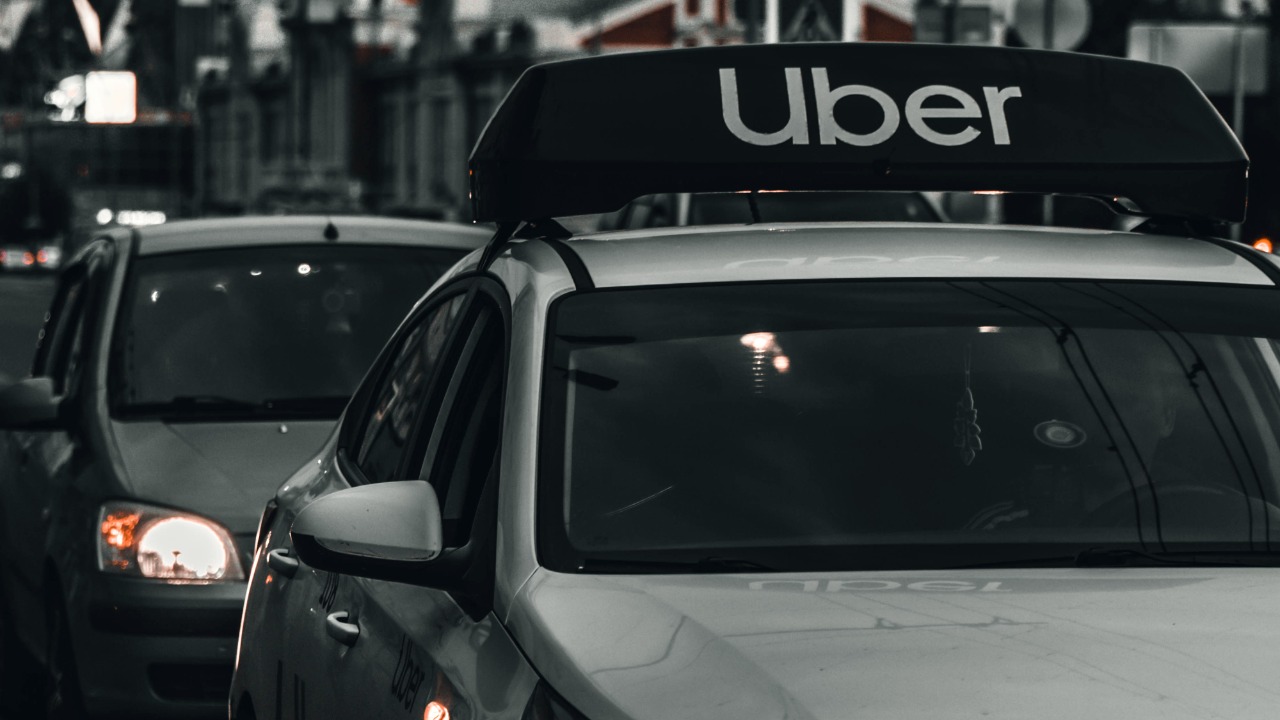

Uber is giving parents a new way to check on teenagers riding alone.
Starting August 25, Uber began rolling out a live video feature for teen accounts that lets a linked parent or guardian view the inside of the car through the driver’s phone camera while the ride is in progress. The feature uses the driver’s front-facing “selfie” camera, and both the driver and teen are notified if the guardian opens the live stream.
The idea is simple.
Parents could already follow a teen’s location in real time.
Now they may also be able to see what is happening inside the vehicle.
That makes Uber’s teen account system significantly more hands-on—and raises some obvious privacy questions at the same time.
The Feature Is Specifically for Uber Teen Accounts
This is not a general surveillance feature for ordinary Uber rides.
Uber teen accounts are designed for riders ages 13 to 17 who have been added to a parent or guardian’s Family profile. Uber says teen accounts are the only authorized way for minors in that age range to ride unaccompanied in markets where the program is available.
Teen rides already include several built-in protections.
Parents receive notifications when a ride begins.
They can track the trip on a live map.
PIN verification helps ensure the teen gets into the correct vehicle.
RideCheck can flag unusual route changes, crashes or unexpectedly long stops.
The new camera access adds another layer:
visual confirmation.
How the Live Video Works
When an eligible teen trip begins, the linked parent or guardian can receive a notification telling them that live video is available.
Tap it, and the Uber app can open a live feed from the driver’s front-facing smartphone camera.
The goal is to position the driver’s phone so the camera can capture both the driver and the teen passenger.
Uber says participating drivers receive guidance on how to position their phones, and they can preview the camera angle through the Safety Toolkit when they are not on a trip.
The parent does not need to keep the video open continuously.
They can simply check in if they want reassurance that everything appears normal.
That makes the feature closer to a temporary live safety window than a permanent in-car camera system.
The Driver Knows When a Parent Is Watching
Uber is not making the feed invisible.
If a parent begins viewing the video, both the driver and teen receive a notification.
Uber says the notification shown to the driver does not interrupt navigation or other important Driver app alerts.
That transparency matters.
A driver should not discover later that someone had been watching through the phone camera without knowing it.
Likewise, the teen knows the guardian has opened the stream.
That makes the monitoring explicit rather than covert.
Does the Driver Have to Participate?
The feature depends on the driver enabling it.
Reporting around the rollout indicates the livestream is available only when drivers have opted into the camera functionality for teen rides.
That distinction is important because not every teen ride will necessarily provide live video.
Parents should therefore treat it as an additional available safety feature rather than something guaranteed on every single ride.
Uber already limits teen trips to eligible drivers. The company says teen riders are matched with experienced, highly rated drivers, and teen trips are clearly identified to drivers before acceptance.
So the camera feature sits on top of an existing filtered driver pool.
The Video Ends When the Ride Ends
Parents do not get indefinite camera access.
Uber says the live stream automatically stops when the trip finishes.
That is a sensible privacy boundary.
The feature exists specifically for the duration of the teen’s ride.
Once the passenger gets out and the trip closes, the guardian cannot continue looking through the driver’s phone.
Is the Video Recorded?
This is where the feature becomes more complicated.
Uber says the video stream is encrypted and that the guardian watches it live.
ABC News reported that the encrypted video file is stored on Uber’s servers for a limited period. Uber says it normally deletes the recording after 14 days, unless it becomes connected to a safety report.
Uber also says it cannot access the live stream while the trip is happening.
However, if a serious safety incident is reported, the company says it may access the decryption key and review the relevant video as part of an investigation.
That is different from saying no recording exists at all.
TechCrunch noted that Uber described the feed as encrypted but did not clarify whether it uses end-to-end encryption in a way that would technically prevent Uber itself from accessing the underlying video.
For privacy-conscious users, that is an important distinction.
Parents Cannot Watch Anyone’s Uber Ride
Access is restricted to the parent or guardian account already linked to the teen’s Uber profile.
Someone cannot simply enter a trip number and start viewing the car.
The feature is tied to Uber’s Family and teen-account structure.
That means the guardian relationship is established before the ride.
Uber’s existing Teen service already requires parental consent for teens to create and use the account.
The video feature builds on that same authorization model.
What If the Teen Has Friends in the Car?
Uber allows teens to bring other teen passengers on an official teen trip, provided those riders are at least 13 and have parental or guardian permission.
That creates a privacy wrinkle.
TechCrunch reports there is currently no separate opt-out for other passengers in the car who may appear in the live feed.
Imagine a 16-year-old takes an Uber home with two friends.
The account holder’s parent opens the camera.
Those other teenagers may be visible too.
Uber’s notifications inform the registered teen and driver when monitoring begins, but guest passengers do not necessarily have their own separate app relationship with the guardian.
That is likely to become one of the more debated aspects of the feature.
Why Is Uber Introducing This Now?
Uber says parents have repeatedly asked for more ways to stay connected when teenagers travel independently.
Teen accounts first launched in the U.S. in 2023 and have since expanded to more than 50 countries, according to Uber. Tens of millions of teen trips have reportedly taken place through the program.
Uber has also said that families increasingly use teen rides for transportation to school, sports practices, rehearsals and other activities.
That creates a major business opportunity.
Many teenagers cannot drive.
Parents cannot always provide transportation.
Public transit may not fit every schedule.
Uber wants its service to become the middle option.
But persuading parents to put a 14-year-old into a stranger’s car requires more trust than persuading an adult to take the same ride.
The live camera is clearly intended to strengthen that trust.
Safety Concerns Around Ride-Hailing Are Part of the Context
The feature also arrives while Uber continues facing scrutiny over passenger safety.
The Verge notes that Uber is dealing with thousands of active lawsuits involving allegations of sexual assault and misconduct.
Uber has responded over the years with features such as:
PIN verification.
RideCheck.
Emergency assistance.
Audio recording.
Driver background checks.
Live trip sharing.
Teen-specific driver eligibility.
The live video system is an extension of that same safety architecture.
It gives guardians something GPS tracking cannot provide.
A map can show that a car is following the expected route.
It cannot show whether the teenager appears comfortable inside it.
The Camera Doesn’t Replace GPS Tracking
The live feed works alongside, rather than instead of, Uber’s existing tracking tools.
Guardians can continue following the ride through the Activity section of their Uber app.
That is important because a camera view has limitations.
The driver’s phone may be positioned imperfectly.
Lighting may be poor.
The network connection may be unstable.
The phone may overheat.
Uber reportedly monitors factors such as connection quality, battery condition and device temperature and can pause streaming if necessary.
GPS therefore remains the more reliable continuous source of information about where the vehicle is going.
Video adds context.
PIN Verification Is Still One of the Most Important Features
Before an official teen trip can start, Uber requires PIN verification.
The teen receives a unique code.
The driver cannot start the ride until the correct PIN is entered.
That addresses one of the most basic ride-hailing risks:
Getting into the wrong car.
A live camera helps once the ride is underway.
PIN verification helps make sure the teenager enters the correct vehicle in the first place.
The two features solve different problems.
RideCheck Watches for Strange Trips Automatically
Uber also uses RideCheck on teen rides.
The system analyzes GPS and sensor information and can detect situations such as:
An unexpected long stop.
An unusual route deviation.
A possible crash.
A trip ending unexpectedly.
If something appears wrong, Uber can contact the teen and driver to check whether assistance is needed.
Teen RideCheck is configured more sensitively than ordinary trips, according to Uber.
That means the parent does not need to stare at a map or video feed throughout the entire journey.
The system is also watching for unusual behavior.
Audio Recording Already Existed
Teen accounts can also use Uber’s audio-recording feature.
When enabled, the ride can be recorded through the app.
Uber says the audio is stored in encrypted form so the person who initiated the recording cannot simply listen back to it. It can be shared with Uber when a safety report is filed.
The new video feature is therefore not Uber’s first attempt to create a digital record of what happens inside certain rides.
But video is much more intimate.
A parent can visually observe posture, body language and who is inside the vehicle.
That may provide more reassurance.
It also creates more privacy sensitivity.
Nine U.S. Markets Are Getting It First
The live video system is initially rolling out in nine U.S. markets:
Atlanta.
Phoenix.
Orlando.
Raleigh-Durham.
Portland.
San Antonio.
Cleveland.
Rhode Island.
El Paso.
Uber says the feature should expand nationwide over the coming weeks.
That phased launch gives Uber time to observe how the system works across different phones, cellular networks and driver setups before introducing it more broadly.
It also means parents should not assume the feature is already available everywhere.
The Driver’s Phone Becomes Part of the Safety System
This is one of the most interesting technical aspects.
Uber does not necessarily need to install dedicated cameras in every participating car.
The driver’s smartphone already has one.
That keeps deployment relatively inexpensive.
No new dashcam hardware.
No professional installation.
No dedicated cellular connection.
The Uber Driver app simply uses equipment already mounted in the vehicle.
That allows the company to potentially deploy live video across a huge driver network much faster than if every car needed additional hardware.
The trade-off is inconsistency.
Phone camera quality varies.
Mounting positions vary.
Lighting conditions vary.
Network conditions vary.
A purpose-built in-car camera would provide a more standardized view.
A phone camera is easier to scale.
Could This Make Drivers Uncomfortable?
Almost certainly, at least some of them.
Ride-hailing drivers already operate inside a heavily monitored system.
GPS tracks the route.
Customer ratings affect eligibility.
Some drivers use dashcams.
Uber monitors trip behavior.
Now certain teen trips can potentially involve the rider’s parent watching through the driver’s own smartphone.
Even with notification and opt-in requirements, that changes the psychological experience of the job.
A parent could check once for ten seconds.
Or potentially keep watching for much longer.
Uber will need to balance parental reassurance with driver privacy and workplace comfort.
If drivers dislike the feature enough to avoid teen trips entirely, it could reduce the number of available vehicles for teenagers.
Parents May Love It Precisely Because They Don’t Need It Constantly
The strongest use case may not be continuous monitoring.
Imagine a teen texts:
“The driver’s acting weird.”
The parent opens the Uber app.
Checks the live feed.
Looks at the route.
Messages the driver or teen if necessary.
That gives the guardian much more context than a dot moving across a map.
Or perhaps a ride stops unexpectedly.
RideCheck sends an alert.
The parent checks the video for a few seconds and sees that everything is fine.
In those moments, the camera becomes much more useful than it would be as a permanent surveillance feed.
The Privacy Debate Is Inevitable
There are reasonable arguments on both sides.
Parents may say:
A minor riding alone with an unfamiliar adult deserves additional protection.
Drivers may say:
Being watched through their own phone during work is invasive.
Teenagers may appreciate the safety net but dislike feeling monitored constantly.
Guest passengers may not have actively agreed to being visible to another teen’s parent.
Uber is attempting to manage those tensions through notifications, encryption and restricted guardian access.
Whether those protections feel sufficient will depend heavily on how families and drivers actually use the feature.
Uber Is Trying to Make Teen Rides Feel Normal
That is ultimately the larger strategy.
Uber does not want teen rides to feel like an unusual exception.
It wants them to become a normal part of family transportation.
For that to happen, parents need confidence that a teenager can get into a ride alone without creating unnecessary risk.
Uber already provides live trip tracking, PIN verification, RideCheck and selected highly rated drivers.
Now it is adding something parents traditionally had only by physically being in the car:
the ability to look inside.
Whether that makes teen rides significantly safer will require time and evidence.
But it certainly changes the level of oversight.
A parent no longer has to wonder only:
“Where is the car?”
They may now be able to ask:
“What is actually happening inside it?”