
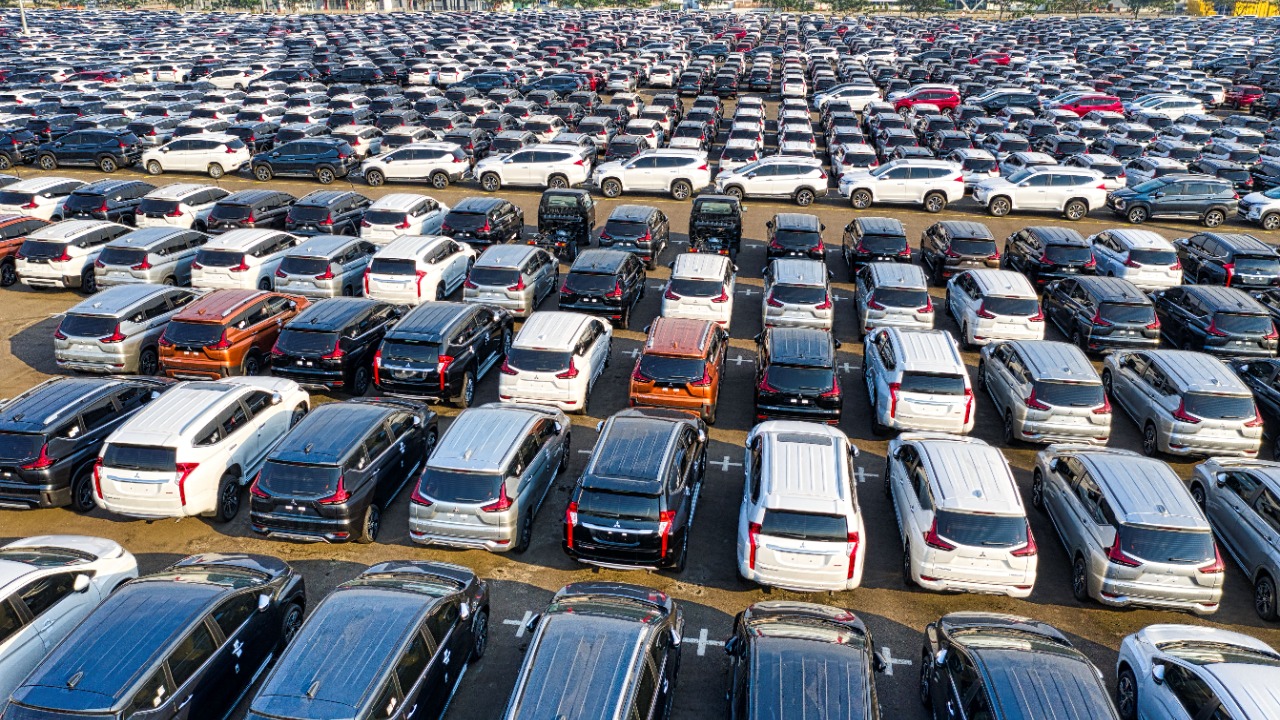

The UAE has long been associated with luxury vehicles, premium property and ambitious lifestyles. New market data, however, suggests that a growing number of consumers are becoming more selective about where they spend their money.
Demand is rising for cars priced below Dh100,000, while mid-term property stays are taking a larger share of rental bookings. Rather than automatically selecting prestigious brands or committing to traditional annual leases, consumers are examining reliability, running costs, location and flexibility more carefully.
A recent report on changing UAE consumer behaviour found that practical used vehicles and flexible accommodation were attracting stronger interest. The change does not necessarily indicate that consumers have stopped spending. It suggests that more buyers and renters want clearer value from every dirham they commit.
Cars Below Dh100,000 Attract the Strongest Interest
Marketplace data from June showed that vehicles costing less than Dh100,000 generated more than 16.5 million views. This price category recorded the largest increase in consumer interest, while cars priced between Dh100,000 and Dh200,000 also continued to perform steadily.
The popularity of lower-priced vehicles reflects more than a search for the cheapest available car. Buyers are increasingly evaluating the complete cost of ownership, including fuel consumption, routine maintenance, insurance, durability and resale value.
A vehicle with an attractive purchase price may become expensive when it requires frequent repairs or loses value quickly. Conversely, a modestly priced model with affordable parts and dependable performance can offer stronger financial value over several years.
The latest dubizzle automotive market trends show that affordable sedans and vehicles below Dh100,000 have become an important part of the UAE’s online car-shopping market. The shift indicates that consumers are thinking beyond showroom appearance and considering how the vehicle will affect their monthly finances.
Reliability Is Becoming More Important Than Status
Japanese manufacturers, particularly Toyota and Mitsubishi, recorded some of the strongest growth in buyer interest during June. Japanese vehicles collectively attracted more than 9.5 million marketplace views, while Toyota alone received more than 3.6 million.
These brands have traditionally appealed to consumers concerned about durability, servicing availability and resale value. Their performance supports the argument that the UAE car market is becoming more ownership-focused.
Consumers appear increasingly interested in how a vehicle will perform after the first year rather than how impressive it appears on the day of purchase. Maintenance expenses, fuel economy and the availability of replacement parts are becoming central elements of the buying decision.
This longer-term mindset may also favour vehicles with transparent service records and recognised regional specifications. A reliable used car with documented maintenance can provide greater reassurance than a more prestigious model carrying uncertain repair costs.
Affordable Chinese Cars Are Winning New Buyers
Chinese manufacturers are also benefiting from the focus on affordability. Dealers have reported strong demand for Chinese-made vehicles priced between Dh50,000 and Dh100,000, particularly among entry-level expatriates such as teachers and airline employees.
Brands including Jetour, Chery, MG, Geely and BYD have expanded their presence by offering modern interiors, large digital displays, driver-assistance technology and long equipment lists at prices below many established competitors.
The UAE’s current sub-Dh100,000 market includes compact saloons, crossovers and family SUVs from Chinese, Japanese and Korean manufacturers. Current vehicle listings show that consumers can find models such as the MG 5, Jetour X70 Plus, Mitsubishi Attrage and Toyota Yaris within or below this price range.
Chinese vehicles still need to demonstrate long-term resale value and durability across a larger ownership base. Nevertheless, their growing popularity shows that an established badge is no longer enough to secure a sale. Buyers are increasingly willing to consider a newer brand when its warranty, equipment and monthly cost offer a convincing package.
Luxury-Car Demand Has Become More Cautious
The changing market does not mean luxury cars have disappeared from UAE roads. Premium vehicles remain an important part of the country’s automotive sector, but buyers appear less willing to make expensive commitments during periods of economic or regional uncertainty.
One UAE dealer said the luxury segment weakened for several months as consumers became hesitant about entering long-term deals. The dealer also reported that shipping disruption around the Strait of Hormuz had extended some vehicle logistics timelines by two to three weeks and contributed to lower sales over a four-month period.
This experience should not be interpreted as proof that every luxury brand experienced the same decline. It does, however, illustrate how geopolitical uncertainty can influence discretionary purchases.
A consumer may still need a car for commuting and family travel, but that need can be met by an affordable saloon or crossover. A premium purchase is easier to delay when shipping conditions, employment expectations or future expenses become uncertain.
Rental Demand Is Moving Towards Mid-Term Stays
The same preference for flexibility is appearing in the property market. Stays lasting 29 nights or longer accounted for nearly 70% of booked nights across more than 600 professionally managed properties in Dubai, Abu Dhabi and Ras Al Khaimah during the second quarter of 2026.
These bookings sit between conventional holiday accommodation and an annual residential tenancy. They can serve residents or visitors who need a home for several weeks or months but do not want to sign a full-year contract.
Related reporting on Dubai’s rental-market rebound found that 68% of reservations during an earlier period were for 29 nights or more, compared with only 7% before the regional escalation. The sudden increase showed how quickly consumers could move towards flexible accommodation when circumstances became uncertain.
The trend is notable because the demand is no longer driven only by short leisure visits. Longer stays indicate that furnished rental properties are increasingly being used as practical homes rather than temporary holiday accommodation.
Renters Want Flexibility Without Sacrificing Stability
A mid-term rental gives the occupant more stability than repeatedly booking a hotel while avoiding the commitment associated with an annual lease. This arrangement can appeal to people assessing a new job, waiting for family members, relocating between emirates or deciding which neighbourhood best suits their routine.
Flexibility does not mean that renters are ignoring quality. The latest market analysis shows that transport access, commuting convenience and neighbourhood connectivity are becoming increasingly important. Properties near developing mobility corridors may attract stronger demand as new transport links mature.
The location of a rental can affect daily expenditure as much as its advertised price. A cheaper property located far from employment centres may produce higher fuel, toll and travel-time costs. Consumers therefore appear to be considering the wider practical value of the home rather than focusing only on rent.
This behaviour closely resembles the change in car buying. In both markets, the initial price remains important, but it is being evaluated alongside the total cost and convenience of everyday use.
This Is Not Necessarily a Collapse in Consumer Confidence
Growing interest in affordable cars and flexible rentals should not automatically be described as a financial retreat. It may instead represent a maturing consumer market.
A cautious buyer can still spend a significant amount while demanding better value. Choosing a Dh90,000 vehicle instead of a luxury model does not mean abandoning car ownership. Selecting a two-month furnished rental instead of an annual tenancy does not mean leaving the country. Both decisions preserve flexibility while allowing the consumer to continue participating in the market.
The UAE remains a large, diversified regional economy, with approximately 70% of gross domestic product generated by sectors outside oil and gas. Consumer markets therefore include people with widely different incomes, employment arrangements and expectations about how long they will remain in the country.
A wider selection of affordable vehicles and flexible accommodation may help businesses serve this diverse population more effectively.
Dealers and Property Operators Will Need to Adapt
The automotive data suggests that dealerships should emphasise warranties, maintenance expenses, fuel economy and resale potential more clearly. Large screens and premium styling can attract attention, but practical ownership information may become more influential when the buyer is comparing long-term value.
Used-car sellers may also benefit from providing complete service histories, inspection reports and realistic pricing. Consumers who are actively calculating ownership costs are less likely to accept vague claims or unexplained premiums.
Property operators face a similar challenge. Demand for stays of 29 nights or longer creates an opportunity for professionally managed monthly accommodation with predictable pricing, reliable internet, maintenance support and convenient transport access.
The strongest offers will probably combine flexibility with stability. Renters want the freedom to avoid an annual commitment, but they still expect a property that can function comfortably as a home.
Value Is Becoming the New Measure of Aspiration
The latest car and rental figures point towards a more deliberate UAE consumer. Prestige remains relevant, but it increasingly has to compete with affordability, reliability and flexibility.
Cars below Dh100,000 are receiving the highest attention, Chinese brands are attracting entry-level buyers and Japanese manufacturers continue benefiting from their reputation for dependable ownership. In property, longer short-term bookings are replacing some traditional holiday demand and creating a larger market for flexible living.
Taken together, these changes suggest that UAE consumers are not simply looking for the lowest price. They are looking for choices that create fewer financial surprises and remain useful as personal circumstances change.
The result may be a market in which practical value becomes a stronger status symbol than unnecessary expense. Businesses that understand that shift will be better positioned to serve a consumer who still wants quality but is no longer willing to pay for prestige alone.