
Honda has confirmed that a third-generation Ridgeline midsize pickup is officially in development, ending uncertainty surrounding the future of its unconventional truck.
The next Ridgeline is scheduled to arrive within two years and will feature what Honda describes as a more rugged design with greater capability. The announcement confirms that the company is not abandoning the pickup market despite preparing to pause production of the current model later in 2026.
According to Honda’s official next-generation Ridgeline announcement, the redesigned truck will continue targeting recreational buyers who want everyday comfort alongside practical cargo and towing ability. Honda has not announced an exact launch date, price or powertrain, but the “within two years” timeline points towards a market arrival by 2028.
The confirmation is significant because the second-generation Ridgeline has been on sale since the 2017 model year. Although Honda refreshed it for 2021 and added more aggressive TrailSport styling later, many major competitors have introduced completely redesigned trucks during the same period.
The New Ridgeline Will Look More Like a Traditional Truck
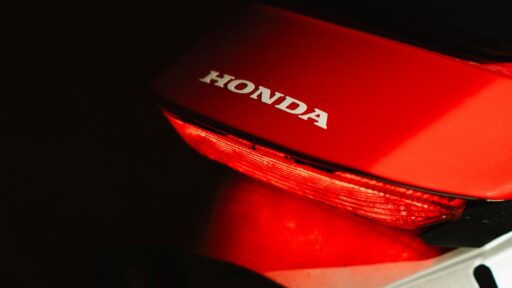
Honda released only a dark teaser image, but the visible silhouette suggests that the next Ridgeline will adopt a more upright and squared-off appearance.
The current truck is often praised for comfort and practicality, yet its rounded shape and SUV-based construction have prevented some buyers from viewing it as a serious pickup. Honda appears ready to address that perception without necessarily abandoning the design principles that make the Ridgeline different.
American Honda vice president of Auto Sales Lance Woelfer said the next model would advance the Ridgeline’s existing legacy while gaining more rugged design and capability. The language indicates that Honda wants the truck to attract buyers who previously dismissed it as too soft, while maintaining its appeal among families and recreational users.
The teaser should not be treated as a complete preview of the production vehicle. Body proportions, lighting details and exterior elements may still change before its debut. However, automotive reporting suggests that a boxier profile would place the Ridgeline more closely alongside rugged-looking rivals such as the Toyota Tacoma, Ford Ranger, Chevrolet Colorado and Nissan Frontier.
It Will Still Be Designed and Built in America
The third-generation Ridgeline will remain a heavily American-developed product. Styling work will take place at Honda’s design studio in Southern California, while engineering will be completed at the company’s Auto Development Center in Ohio.
Final assembly will continue at Honda’s manufacturing plant in Lincoln, Alabama. The facility currently builds the Ridgeline alongside the Pilot, Passport and Odyssey, allowing Honda to share manufacturing expertise and components across several North American utility vehicles.
Honda’s decision to retain production in Alabama confirms that the factory will remain central to its light-truck strategy. The plant already has experience manufacturing large Honda vehicles and their engines, making it the logical location for the redesigned pickup.
The current 2026 Ridgeline will pause production later in 2026 as Honda prepares the facility for the new generation. This creates the possibility of a lengthy gap between existing dealer inventory and the arrival of the replacement. Honda has not confirmed exactly how long the interruption will last or whether another limited model-year run will occur before the new truck launches.
Honda Has Not Confirmed a Hybrid Powertrain
The largest unanswered question concerns what will power the new Ridgeline.
Honda has not confirmed whether the third-generation truck will use a conventional petrol engine, a hybrid system or multiple powertrain options. Reports describing the truck as a future hybrid remain speculation until the company releases technical details.
A hybrid Ridgeline would nevertheless fit Honda’s wider strategy. The company is developing a next-generation hybrid system for larger North American vehicles, with an emphasis on strong acceleration, high towing capacity and improved environmental performance. Honda says vehicles using that technology are planned for the second half of the 2020s. The official Honda overview of its next-generation hybrid technology does not name the Ridgeline specifically, but its timing and intended vehicle category make the pickup a logical candidate.
Industry reporting has linked Honda’s future V6 hybrid system with larger models such as the Pilot, Passport, Odyssey and Ridgeline. Honda has said the planned technology should provide the performance and towing ability expected from large vehicles while achieving substantially better fuel efficiency than comparable petrol-only models.
That possibility remains an informed expectation rather than a confirmed specification. Buyers should not assume the new Ridgeline will be hybrid until Honda formally announces its engine, battery and drivetrain details.
The Existing V6 Could Be Replaced
The current Ridgeline uses a naturally aspirated 3.5-litre V6 producing 280 horsepower and 262 pound-feet of torque. A nine-speed automatic transmission and Honda’s i-VTM4 all-wheel-drive system are standard across the 2026 range.
Honda lists a maximum towing capacity of 5,000 pounds and payload capacity of up to 1,583 pounds, depending on trim. The current truck also records EPA estimates of up to 18 mpg in the city, 24 mpg on the motorway and 21 mpg combined. Full figures are available through Honda’s official 2026 Ridgeline specifications.
Earlier reports claimed that production would pause because the existing V6 could face difficulty meeting upcoming emissions requirements. Honda did not confirm that explanation when announcing the new generation, so it should not be treated as official.
A newer petrol V6, an electrified V6 or another hybrid configuration could improve both efficiency and low-speed torque. Electrification could also help Honda respond to hybrid competitors while avoiding the range and towing concerns that continue to affect fully electric pickups.
Honda Must Preserve What Makes the Ridgeline Different
A tougher appearance may attract more traditional truck buyers, but Honda must be careful not to remove the features that created the Ridgeline’s identity.
Unlike most midsize pickups, the current Ridgeline uses unibody construction rather than a separate body mounted on a ladder frame. This design contributes to its comfortable ride, predictable handling and spacious cabin, although critics argue that it limits extreme off-road performance and maximum towing capacity.
The Ridgeline’s most recognisable feature is its lockable In-Bed Trunk. The current version provides 7.3 cubic feet of storage beneath the cargo floor and includes a drain plug, allowing it to hold wet equipment or function as an ice-filled container.
Its dual-action tailgate can open downward like a normal pickup tailgate or swing sideways to make the hidden trunk easier to access. The composite bed is also wide enough between the wheel wells to carry four-foot-wide materials flat. These features are detailed on the official Honda Ridgeline product page.
Honda has not formally confirmed that these features will return, but removing them would weaken one of the truck’s greatest advantages. The redesign will be most successful if it adds capability without turning the Ridgeline into a conventional pickup that offers nothing distinctive.
Greater Capability Will Be Essential
Honda’s promise of improved capability could refer to several areas. The next Ridgeline may receive greater towing capacity, improved ground clearance, stronger underbody protection or a more capable all-wheel-drive system.
The current TrailSport includes all-terrain tyres, an off-road-tuned suspension and a skid plate, but it remains less specialised than off-road versions of several competitors. Buyers looking for locking differentials, low-range gearing, greater suspension travel or more aggressive approach angles often choose body-on-frame alternatives.
Honda does not necessarily need to copy those trucks. Many Ridgeline customers value daily comfort more than rock-crawling ability. However, even a moderate improvement in towing, suspension durability and trail performance could make the next model easier to recommend to buyers who regularly carry recreational equipment.
The midsize pickup segment is also becoming more crowded. Beyond established models from Toyota, Ford, General Motors and Nissan, additional manufacturers are preparing new entries. Honda’s redesigned truck will therefore arrive in a market where rugged styling, turbocharged engines, hybrid systems and advanced off-road packages are increasingly common.
Sales Show Why Honda Is Keeping the Ridgeline
The Ridgeline does not sell in the same volume as the Toyota Tacoma, but it remains strategically valuable to Honda.
Honda sold 48,448 Ridgelines in the United States during 2025, representing an increase of approximately 7% from the previous year. By comparison, Toyota sold more than 274,000 Tacomas, demonstrating the size of the gap Honda still faces in the segment.
Honda describes the Ridgeline as an important conquest vehicle, meaning it attracts customers who previously owned products from competing manufacturers. A successful third generation could introduce more pickup buyers to Honda and create opportunities to retain them across the company’s wider SUV and utility range.
The outgoing 2026 model begins at $40,795 before destination charges, placing it above some entry-level midsize pickups. Its standard V6, all-wheel drive and extensive cabin equipment partly explain the higher starting price, but Honda may need a broader trim strategy to compete with less expensive rivals.
The Next Ridgeline Could Be Honda’s Most Important Truck Yet
Honda has confirmed the essential details: a third-generation Ridgeline is coming within two years, its design will become more rugged, development will remain centred in the United States and production will continue in Alabama.
Almost everything else remains open. Honda has not confirmed the powertrain, towing capacity, dimensions, trim range, technology, fuel economy or price. A hybrid system appears possible, but it is not yet official.
The redesign gives Honda an opportunity to correct the Ridgeline’s greatest weakness: the perception that it is not rugged enough to compete with traditional pickups. At the same time, the company must preserve the comfortable ride, versatile bed and practical storage solutions that have made the truck valuable to its existing audience.
Should Honda successfully combine those strengths with a tougher body, greater capability and an efficient modern powertrain, the next Ridgeline may become the most competitive version the company has produced.