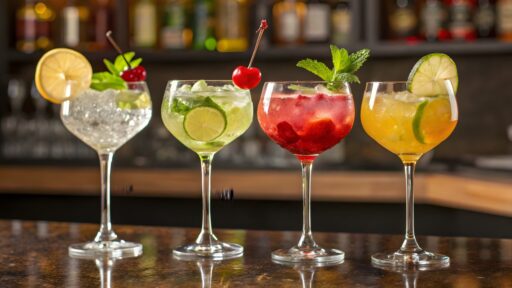
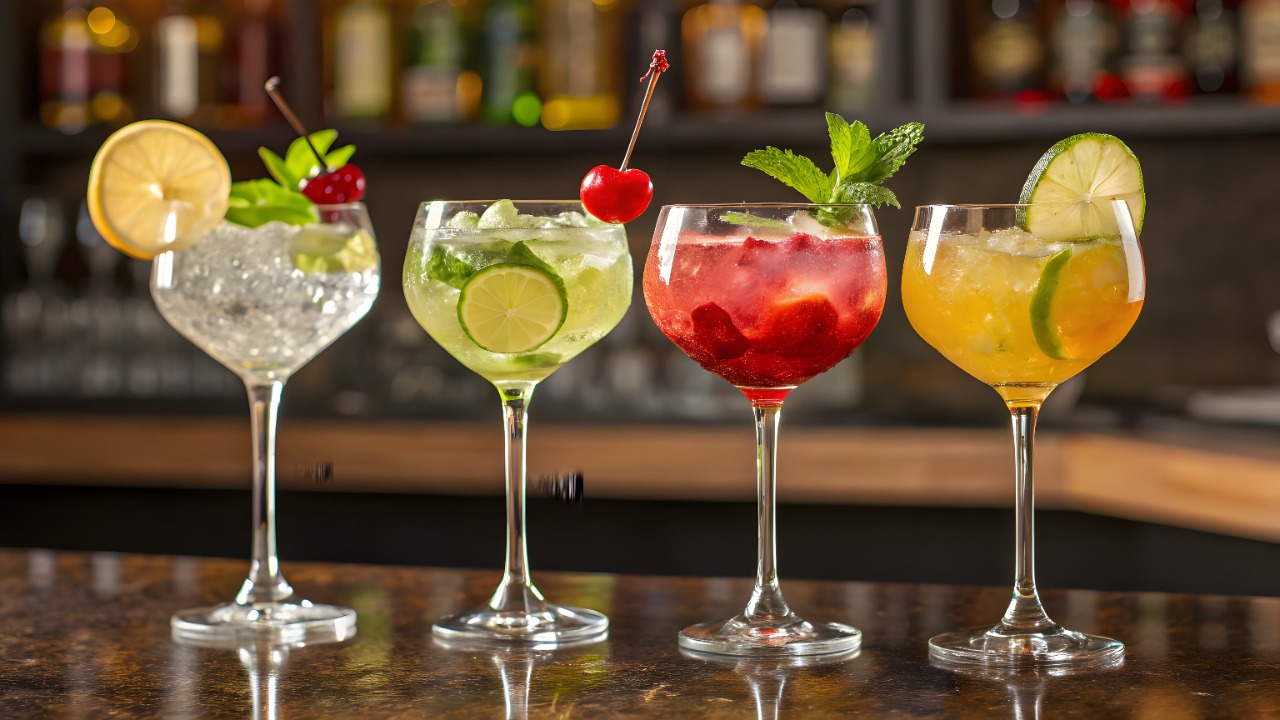

Alcohol does not have to be completely excluded from every weight-loss plan, but it can make calorie control more difficult. Alcoholic drinks provide calories with relatively little nutritional value, and cocktails can become especially calorie-dense when spirits are combined with syrups, juice, cream, regular soda or large amounts of sugar.
The drink itself is only part of the equation. Portion size, alcohol percentage and the number of servings consumed can turn an apparently light option into a major source of calories. A cocktail served in a large glass may contain two or more standard drinks, even when it looks like a single serving.
The National Institute on Alcohol Abuse and Alcoholism’s calorie calculator notes that alcoholic beverages may contribute to unwanted weight gain and recommends considering drinking habits when trying to lose weight. Choosing a lower-calorie drink can help, but drinking less often and limiting the number of servings usually makes a larger difference.
Alcohol Can Fit a Calorie Deficit, but It Does Not Support Weight Loss
Weight loss generally requires a person to consume fewer calories than the body uses over time. Alcoholic beverages count toward that total, even when they contain no obvious sugar or carbohydrates.
A standard serving of alcohol already contributes close to 100 calories from the alcohol itself before mixers are added. In the United States, one standard drink contains approximately 14 grams of pure alcohol. That amount is typically found in 12 ounces of 5 percent beer, 5 ounces of 12 percent wine or 1.5 ounces of 40 percent distilled spirits.
The problem is that bar and restaurant servings do not always match those measurements. A generous wine pour may contain more than five ounces, while a mixed drink may include two shots instead of one. NIAAA warns that customary serving sizes can differ substantially from standard-drink measurements, so calories and alcohol intake can be higher than expected.
The following four drinks can be lower-calorie choices when portions are measured carefully. Their calorie totals remain approximate because recipes, alcohol percentages and brands vary.
1. Vodka Soda With Fresh Lime
A vodka soda is one of the simplest lower-calorie alcoholic drinks. A standard version contains 1.5 ounces of 80-proof vodka, plain soda water, ice and a squeeze of fresh lime.
The vodka contributes approximately 95 to 100 calories, while unflavoured soda water adds virtually none. The entire drink can therefore remain near 100 calories when it contains one measured shot and no sweetened syrup.
The same formula can be made with gin, tequila, rum or whiskey because a standard 1.5-ounce serving of 80-proof distilled spirits contains a similar quantity of alcohol. The calorie count rises when the bartender uses a double measure, higher-proof liquor or sweetened tonic water.
Tonic water is often mistaken for soda water, but traditional tonic normally contains added sugar. Someone ordering at a bar should specifically request plain soda or sparkling water rather than assuming every clear mixer is calorie-free. The CDC’s healthier-drink guidance identifies plain sparkling water and seltzer as low- or no-calorie options.
Fresh lime, lemon, cucumber or mint can add flavour without turning the drink into a sugar-heavy cocktail. Flavoured vodka should be checked carefully because some products contain added sweeteners even when they taste only mildly sweet.
2. A Measured Glass of Dry Wine
Dry wine can fit a calorie-controlled diet when the serving remains close to five ounces. A typical glass of dry red, white or rosé wine generally contains approximately 120 to 130 calories.
The word “dry” refers to wine containing relatively little residual sugar. It does not mean the drink is calorie-free, because alcohol itself provides most of the calories. Sweeter wines, dessert wines and fortified wines can contain more calories, particularly when served in large glasses.
Portion control is the most important consideration. Modern wine glasses can easily hold 12 ounces or more, making a standard five-ounce serving look surprisingly small. Filling a large glass halfway may produce the equivalent of two servings without the drinker recognising it.
NIAAA defines five ounces of table wine at approximately 12 percent alcohol by volume as one standard drink. Stronger wines can contain more alcohol in the same volume, so checking the label remains useful.
A person trying to reduce calories may benefit from measuring five ounces at home once to understand what a standard serving looks like. At restaurants, avoiding repeated top-ups makes it easier to track the total amount consumed.
3. A 12-Ounce Light Beer
Light beer commonly contains approximately 90 to 110 calories per 12-ounce serving, making it lower in calories than many regular beers, craft ales and high-alcohol lagers.
Its advantage is that the container usually provides a clear serving size. A single 12-ounce bottle or can is easier to track than a cocktail made with an unknown amount of liquor. However, “light” does not mean alcohol-free or unlimited.
NIAAA reports that many light beers still contain around 4.2 percent alcohol by volume, compared with approximately 5 percent for a regular beer. In other words, the calorie reduction may be meaningful, but the difference in alcohol content is sometimes smaller than consumers expect.
The label should always be checked because some products marketed as light remain close to regular beer in calories. Serving size also matters. A 16-ounce pint contains one-third more liquid than a 12-ounce bottle, while a strong craft beer may represent more than one standard drink.
Light beer may suit someone who prefers a slower-drinking option rather than a concentrated spirit. Its usefulness for weight management still depends on stopping after the planned serving, since several light beers can quickly exceed the calories in one regular beer.
4. A Low-Sugar Hard Seltzer
Many hard seltzers contain approximately 90 to 110 calories in a 12-ounce can. They usually combine carbonated water, alcohol and flavouring, producing a drink that can be lighter than sugary coolers, frozen cocktails or sweetened cider.
The can should not be judged by appearance alone. Some hard seltzers contain higher alcohol levels, added sugar or larger serving sizes. A 16-ounce can at 8 percent alcohol can provide substantially more alcohol and calories than a 12-ounce can at 4 or 5 percent.
NIAAA explains that flavoured malt beverages and hard seltzers can vary considerably in alcohol content. A container may therefore count as more than one standard drink depending on its volume and alcohol percentage.
The nutrition label offers the best comparison. Products containing around 100 calories, little or no added sugar and approximately 4 to 5 percent alcohol are generally the more predictable choices. A low-calorie label does not make the beverage healthier than water, but it can help someone avoid the much larger calorie load found in sweet premixed cocktails.
The Mixer Can Matter More Than the Spirit
A standard shot of liquor contains roughly the same calories whether it is poured into soda water or a sweet cocktail. The difference comes from everything added afterward.
Regular soda, fruit juice, sweet-and-sour mix, syrups, cream and coconut products can add hundreds of calories. The CDC reports that frequent consumption of sugar-sweetened beverages is associated with weight gain and other health problems.
A margarita, piña colada or creamy coffee cocktail may contain several ingredients, more than one serving of alcohol and a substantial amount of sugar. Replacing a sugary mixer with soda water can reduce calories, but it does not reduce the amount of alcohol unless the serving itself is also smaller.
Frequency Matters More Than Finding the “Perfect” Drink
Choosing a 100-calorie drink instead of a 300-calorie cocktail creates an immediate difference. However, four 100-calorie drinks still provide around 400 calories and may exceed recommended drinking limits.
Current CDC guidance defines moderate drinking as no more than two drinks in a day for men or one drink in a day for women. It also emphasises that drinking less is better for health and that choosing not to drink lowers alcohol-related risks.
Alcohol is linked with health risks that cannot be removed by selecting a low-calorie brand. The CDC states that all alcoholic beverages, including beer, wine and spirits, are associated with increased cancer risk, with some risk rising even at low levels of consumption.
People who are pregnant, younger than the legal drinking age, taking interacting medications, managing certain health conditions or recovering from alcohol-use problems should avoid alcohol. Anyone uncertain about whether drinking is medically appropriate should speak with a healthcare professional.
The Lowest-Calorie Strategy Is Still Drinking Less
Vodka with soda water, a measured glass of dry wine, light beer and low-sugar hard seltzer can all reduce the calorie cost of an occasional drink. None of them actively promotes weight loss.
The most effective strategy is to control both the recipe and the quantity. A measured serving, a low-calorie mixer and a clear stopping point matter more than marketing terms such as skinny, light, clean or low-carb.
Alternating alcohol with water may also slow the pace of drinking and support hydration. Plain water adds no calories, and replacing caloric beverages with water can reduce overall calorie intake.
A lower-calorie drink can fit within a carefully planned diet, but it should remain an occasional choice rather than a weight-loss tool. When progress has stalled, reducing the number of drinking days or removing alcohol temporarily may produce a larger benefit than switching from one alcoholic beverage to another.