

A treadmill test may reveal much more than how quickly someone becomes tired. New research suggests that cardiorespiratory fitness measured during middle age is associated with a longer lifespan, fewer serious diseases and more years spent in good health after age 65.
The study does not claim that a treadmill can calculate an exact date of death. Instead, it shows that the body’s ability to supply oxygen during demanding exercise may provide a powerful indication of how successfully the heart, lungs, blood vessels and muscles are working together.
Researchers followed more than 24,000 adults whose fitness had been measured before age 65. Those with the highest cardiorespiratory fitness generally developed major chronic diseases later, accumulated fewer illnesses and lived longer than those in the lowest fitness category. The findings were published in the Journal of the American College of Cardiology.
What the Treadmill Fitness Test Measures
The study focused on cardiorespiratory fitness, often abbreviated as CRF. This describes how effectively the circulatory and respiratory systems deliver oxygen to working muscles during sustained physical activity.
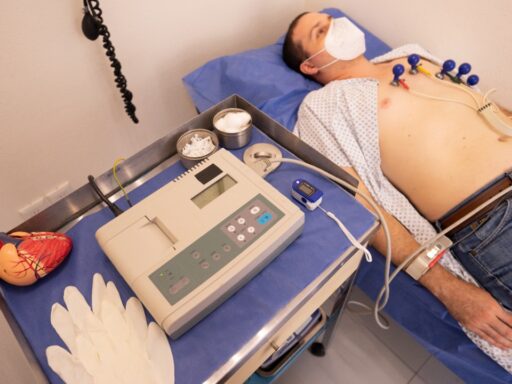
Participants completed a supervised treadmill test that gradually became more difficult. Speed and incline increased while trained staff monitored performance. The test continued until the participant reached exhaustion or until medical personnel determined that continuing was no longer appropriate.
Performance was expressed in metabolic equivalents, commonly called METs. One MET represents the energy used while sitting quietly. An activity requiring five METs demands approximately five times the energy used at rest.
A higher achievable MET level generally indicates that the body can sustain more demanding activity. It reflects the combined performance of the heart, lungs, circulation and muscles rather than the health of only one organ.
The American Heart Association considers cardiorespiratory fitness an important marker of overall physiological health. It has argued that fitness should be viewed as a clinical vital sign because low fitness is strongly associated with cardiovascular and all-cause mortality.
Higher Fitness Was Linked to Longer Healthspan
The researchers examined 24,576 people from the Cooper Center Longitudinal Study. Participants had undergone clinical fitness testing before age 65 and remained free from the major diseases included in the analysis when they entered Medicare follow-up.
Their later medical records were examined for 11 serious chronic conditions. These included cardiovascular, kidney and metabolic diseases, cancers and other disorders that frequently affect health during older age.
Compared with low-fit men, highly fit men had an estimated 2 percent longer healthspan, meaning they spent more time without one of the studied major diseases. They also accumulated approximately 9 percent fewer conditions and had an estimated lifespan that was 3 percent longer. Similar patterns appeared among women.
Higher-fit participants developed their first major chronic condition at least 1.5 years later on average than people in the lowest fitness category. The associations also remained broadly consistent when researchers examined differences involving age, body-weight category, smoking status and the year in which the clinical visit occurred.
These percentages may appear modest, but an additional period of life without heart disease, diabetes, cancer or another major condition can have considerable practical value. Healthspan affects independence, mobility, medication use, healthcare costs and the ability to remain socially and physically active.
Fitness Appeared to Predict More Than Survival Alone
Previous studies have repeatedly connected cardiorespiratory fitness with a lower risk of premature death. What makes the newer research notable is its attention to the years lived before disease and the number of conditions accumulated during ageing.
A longer lifespan is not always accompanied by a longer healthy life. Someone may survive for many years while managing several chronic illnesses. The new analysis examined whether higher midlife fitness was associated with both delayed disease and longer survival.
The results suggest that fitter participants did not merely live longer after becoming ill. They generally entered later life with a lower disease burden and experienced the onset of major conditions at older ages.
This supports the concept of compressing morbidity: delaying disease so that a greater proportion of life is spent in relatively good health. The study did not show that highly fit people avoid every illness, but it suggested that better fitness could shift both disease and death later.
Why Cardiorespiratory Fitness May Matter So Much
Cardiorespiratory fitness captures information that a resting health measurement may miss. Blood pressure, cholesterol and blood glucose provide valuable information, but they do not directly show how the body responds when demand suddenly increases.
During strenuous exercise, the heart must pump more blood, the lungs must exchange more oxygen, blood vessels must adjust and muscles must use the delivered oxygen efficiently. Weakness in any part of that process can reduce exercise capacity.
Higher fitness is also frequently associated with regular physical activity, healthier blood-vessel function, improved insulin sensitivity and greater metabolic resilience. However, fitness is influenced by several factors beyond exercise, including age, genetics, existing disease and individual physiology.
The American Heart Association notes that cardiorespiratory fitness can provide mortality-risk information independently of established factors such as smoking, hypertension, high cholesterol and type 2 diabetes. It also reports that a large share of the survival benefit occurs when someone moves from the least-fit category into a somewhat fitter group.
That finding is important because longevity benefits do not appear to require elite athletic performance. Improving from very low fitness to moderate fitness may be more realistic—and more consequential—than attempting to reach competitive endurance levels.
The Score Does Not Predict an Individual’s Exact Lifespan
The study was observational. It found a strong relationship between fitness, disease and survival, but it cannot prove that higher treadmill performance alone caused participants to live longer.
People with higher fitness may differ from those with low fitness in several other ways. They may have better diets, higher incomes, safer neighbourhoods, better medical access, healthier body composition or a lower burden of undiagnosed disease.
The participants were also generally health-conscious and came largely from a Dallas-area clinical population. Approximately three-quarters were men, limiting certainty about whether the exact estimates apply equally to every demographic group. The researchers therefore cautioned against treating the findings as a universal lifespan calculator.
A low treadmill result can also reflect temporary or treatable problems, including illness, medication effects, joint pain, anaemia, poor sleep or deconditioning. It should be interpreted alongside symptoms, medical history and other clinical findings.
A Home Treadmill Reading Is Not the Same Test
The research used supervised clinical treadmill testing rather than the calorie counter or fitness estimate displayed by a consumer treadmill.
Smartwatches and fitness trackers may estimate VO₂ max or cardiorespiratory fitness using heart rate, speed and personal information. These estimates can be helpful for following trends, but they are not identical to laboratory or clinically supervised measurements.
A maximal treadmill test also should not be recreated casually by an untrained person, particularly when chest pain, unexplained shortness of breath, dizziness, heart disease or major risk factors are present. Clinical testing includes monitoring and procedures for stopping the test when concerning signs appear.
Cardiopulmonary exercise testing, which directly measures respiratory gases during exercise, is considered the most comprehensive way to assess exercise capacity. Submaximal treadmill tests, walking tests and validated prediction equations can also provide useful estimates when maximal testing is inappropriate.
Cardiorespiratory Fitness Can Usually Be Improved
Fitness is not a fixed score. Regular aerobic activity can improve the body’s ability to transport and use oxygen, although the amount of improvement varies among individuals.
Brisk walking, cycling, swimming, jogging and similar activities can all strengthen cardiorespiratory capacity. Consistency matters more than choosing a specific machine or sport.
Current CDC guidance recommends that adults complete at least 150 minutes of moderate-intensity aerobic activity each week, or 75 minutes of vigorous activity, along with muscle-strengthening exercise on at least two days. The activity can be divided into shorter sessions, and some movement is better than none.
Moderate intensity generally means breathing and heart rate increase while conversation remains possible. Vigorous activity makes speaking more difficult and substantially increases effort. Progress should be gradual, especially for someone who has been inactive.
People with chronic health conditions, disabilities or cardiovascular concerns should discuss an appropriate exercise plan with a healthcare professional. The objective is not to chase the highest possible treadmill number but to build sustainable fitness safely.
The Real Value of the Score Is What It Can Change
A treadmill fitness result cannot reveal exactly how long one person will live. It can, however, expose low cardiorespiratory capacity at a time when improvement may still influence decades of future health.
The latest research strengthens the argument that fitness deserves attention alongside blood pressure, cholesterol, smoking and blood glucose. A poor result should not be treated as a sentence, while a strong result does not make someone immune to disease.
Its greatest value lies in showing that physical capacity during middle age may be connected with both lifespan and healthspan. The ability to walk or run longer on a progressively harder treadmill may reflect a body that is better prepared not only for exercise, but also for the physiological demands of ageing.