
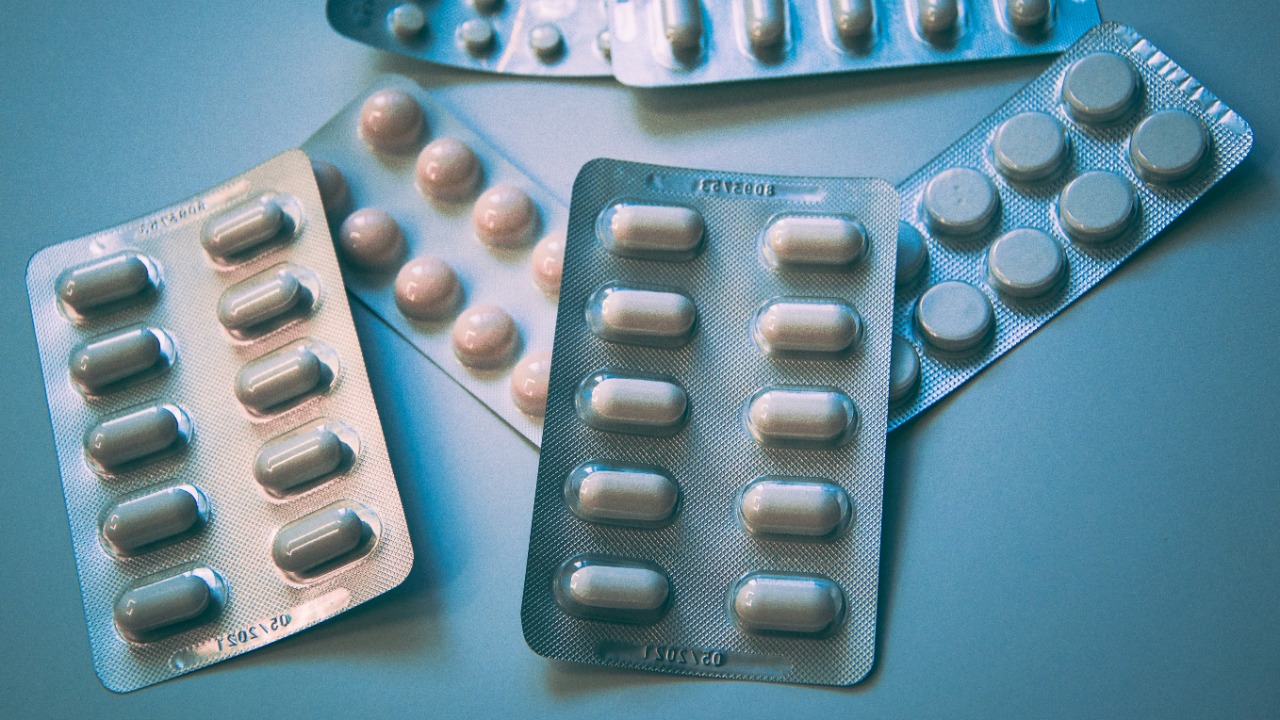

The US Food and Drug Administration has added kidney-stone and acute kidney-injury warnings to Alli, the widely available over-the-counter weight-loss medicine containing 60 milligrams of orlistat.
The action does not remove Alli from stores, and it does not mean every person taking the drug is likely to develop kidney damage. The FDA describes the complication as rare. However, the updated label reflects reports serious enough to include hospitalizations and dialysis, making the warning important for anyone using the medicine without routine medical supervision.
The new Drug Facts label advises people with a history of kidney disease or kidney stones to speak with a healthcare professional before taking Alli. It also tells users to stop the medicine and seek medical guidance when symptoms associated with kidney injury or stones develop.
The Warning Applies to Alli, Not a GLP-1 Drug
Alli is the brand name for nonprescription orlistat. It is approved for overweight adults aged 18 and older when combined with a reduced-calorie, low-fat diet. The 60-milligram capsules are taken with meals containing fat, up to three times daily.
Orlistat is not part of the GLP-1 drug class that includes medicines such as semaglutide and tirzepatide. It does not primarily reduce appetite or imitate an intestinal hormone. Instead, it acts inside the digestive tract by blocking enzymes called lipases, which normally break down dietary fat so that it can be absorbed. Some of that fat consequently passes through the body in stool.
A higher-strength 120-milligram form of orlistat is available by prescription and is commonly associated with the brand Xenical. Kidney-risk information was already included in prescription orlistat labeling. The FDA’s latest change brings the OTC label into alignment with warnings applied to all approved orlistat products.
Why a Fat-Blocking Medicine Can Affect the Kidneys
The connection between a digestive-system medicine and kidney damage may initially appear surprising. The suspected pathway involves oxalate, a naturally occurring substance found in the body and in certain foods.
When fat is not properly absorbed, more fatty acids remain in the intestine. These fatty acids can bind with calcium that would otherwise attach to oxalate. The unbound oxalate may then become easier for the body to absorb, raising oxalate levels in the urine. This condition is called hyperoxaluria.
Oxalate can combine with calcium inside the urinary system and form calcium oxalate stones. In more severe cases, calcium oxalate crystals may collect inside the kidney tubules, interfere with kidney function and cause oxalate nephropathy. Medical reviews have documented this mechanism in patients who developed kidney injury while using orlistat.
Acute kidney injury means the kidneys suddenly become less capable of filtering waste and maintaining normal fluid and chemical balance. Mild cases can improve, but untreated severe injury may become life-threatening.
What the FDA Found During Its Safety Review
The FDA reassessed the risk after receiving periodic reports of acute kidney injury associated with OTC orlistat. Regulators searched the agency’s adverse-event monitoring system and published medical literature for cases reported between Alli’s February 2007 approval and the end of 2023.
The review identified 12 cases of kidney complications associated with Alli use. Nine came from the FDA’s adverse-event system, while three were identified in medical literature. The patients had a median age of 61 and ranged from 36 to 76 years old.
Eight reports involved acute kidney injury. Two described acute kidney injury accompanied by oxalate nephropathy, while another two involved hyperoxaluria with calcium oxalate kidney stones. Eight patients required hospitalization, and five needed dialysis. Seven patients improved, one had not improved when the case was reported, and outcomes were unavailable for four.
Among eight patients whose duration of use was known, the median exposure before kidney injury was 2.5 months, with a range of approximately three weeks to 17 months. Dosing information was available for four patients, who reported taking either 60 or 120 milligrams three times per day.
Twelve Cases Do Not Reveal the Exact Level of Risk
The case count should be interpreted carefully. Twelve identified reports across many years indicate that the complication appears uncommon, but adverse-event reports cannot calculate the precise probability that an individual user will experience it.
Reporting systems may underestimate side effects because patients and clinicians do not submit every event. At the same time, a report occurring after a medicine was taken does not automatically prove that the drug caused the medical problem.
Several people included in the review had other possible kidney-risk factors, including obesity, diabetes, high blood pressure, previous kidney disease or a history of stones. Some reports also lacked important medical details, such as stone composition and complete health histories.
The FDA nevertheless concluded that the cases, evidence of oxalate crystals and the biological plausibility of the mechanism justified adding the warning. The agency also said the risk may not depend strongly on dose because the difference in fat-absorption inhibition between the prescription and OTC strengths is relatively small.
Symptoms That Should Not Be Ignored
The revised label identifies several symptoms that may indicate kidney stones or acute kidney injury. These include severe pain in the back or groin, painful urination, blood in the urine, swelling of the legs or feet, urinating less frequently than normal and other noticeable changes in urinary function.
The FDA directs consumers who develop these symptoms to stop taking Alli and contact a doctor for further evaluation. Severe pain, very low urine output, rapidly worsening swelling or serious illness may require urgent medical attention rather than waiting for a routine appointment.
Kidney stones do not always cause symptoms while they remain small, but larger stones may obstruct urine flow and produce severe pain, bleeding or urinary problems. Calcium oxalate stones are among the most common kidney-stone types.
Previous Kidney Problems Now Require Extra Caution
The updated Alli label advises anyone who has previously had kidney disease or kidney stones to ask a healthcare professional before use. That wording does not automatically prohibit every person with a kidney history from taking the drug, but it means self-treatment should not begin without an individualized risk assessment.
Prescription orlistat labeling similarly advises clinicians to monitor kidney function in patients at increased risk of oxalate nephropathy, including those with impaired kidney function, previous hyperoxaluria or calcium oxalate stones.
A clinician may consider existing kidney function, previous stone composition, current medications, fluid intake and other medical conditions before deciding whether orlistat remains appropriate.
Alli Already Had Several Important Warnings
Kidney injury is not the medicine’s only safety consideration. Because unabsorbed fat passes through the digestive system, common effects include oily spotting, loose stools, gas and more frequent or difficult-to-control bowel movements. A high-fat meal can make these effects more likely.
Orlistat can also reduce the absorption of certain fat-soluble vitamins. The label directs users to take a daily multivitamin at bedtime, separated from the medicine.
The product should not be used by people taking cyclosporine, those diagnosed with problems absorbing food, organ-transplant recipients or people who are not overweight. Medical or pharmacy advice is also recommended for users taking anticoagulants, diabetes medicines, thyroid treatments, seizure medicines, amiodarone or certain HIV medications.
The Warning Is Not a Recall
The FDA has changed Alli’s labeling rather than ordering a recall or withdrawing its approval. The agency continues to recognize the product as an OTC weight-loss aid when used according to its instructions.
The current label says that for every five pounds lost through diet alone, orlistat may help produce another two to three pounds of weight loss. It reports that most study participants lost approximately five to ten pounds during six months, although results differ among individuals.
That potential benefit must now be considered alongside the rare kidney risk, digestive effects, vitamin-absorption concerns and medication interactions. OTC availability can make a medicine appear universally suitable, but it does not eliminate the need to review warnings or discuss risk factors with a professional.
What Current Users Should Do
Someone taking Alli without kidney symptoms does not need to assume that kidney damage has occurred. The FDA’s action is intended to improve risk awareness, particularly among people who may have started the medicine without speaking to a clinician.
Current users should read the revised Drug Facts label, confirm that the medicine is being taken only as directed and review any history of kidney disease or stones. Those with relevant medical histories should contact a healthcare professional before continuing. Anyone developing the listed warning symptoms should stop the medicine and seek medical evaluation.
The FDA is also asking consumers and healthcare professionals to report suspected side effects through its MedWatch programme. Such reports help regulators identify uncommon complications that may not have been fully apparent during clinical trials.
The new warning does not establish that Alli commonly damages the kidneys. It confirms that a rare but potentially serious complication can occur and that previous kidney disease or stones deserve attention before an OTC weight-loss programme begins.