
Treatlife’s smart smoke and carbon-monoxide detectors, sold online as a convenient safety upgrade, have been recalled after tests showed some units might stay silent during a fire. For a device meant to provide an early warning, a failure to sound turns a safety product into a potential hazard.
The recall underscores how quickly a popular connected gadget can shift from “must-have” to “remove immediately,” and why consumers cannot assume that a high-tech label guarantees basic life-safety performance.
What regulators found wrong with Treatlife’s smart detectors
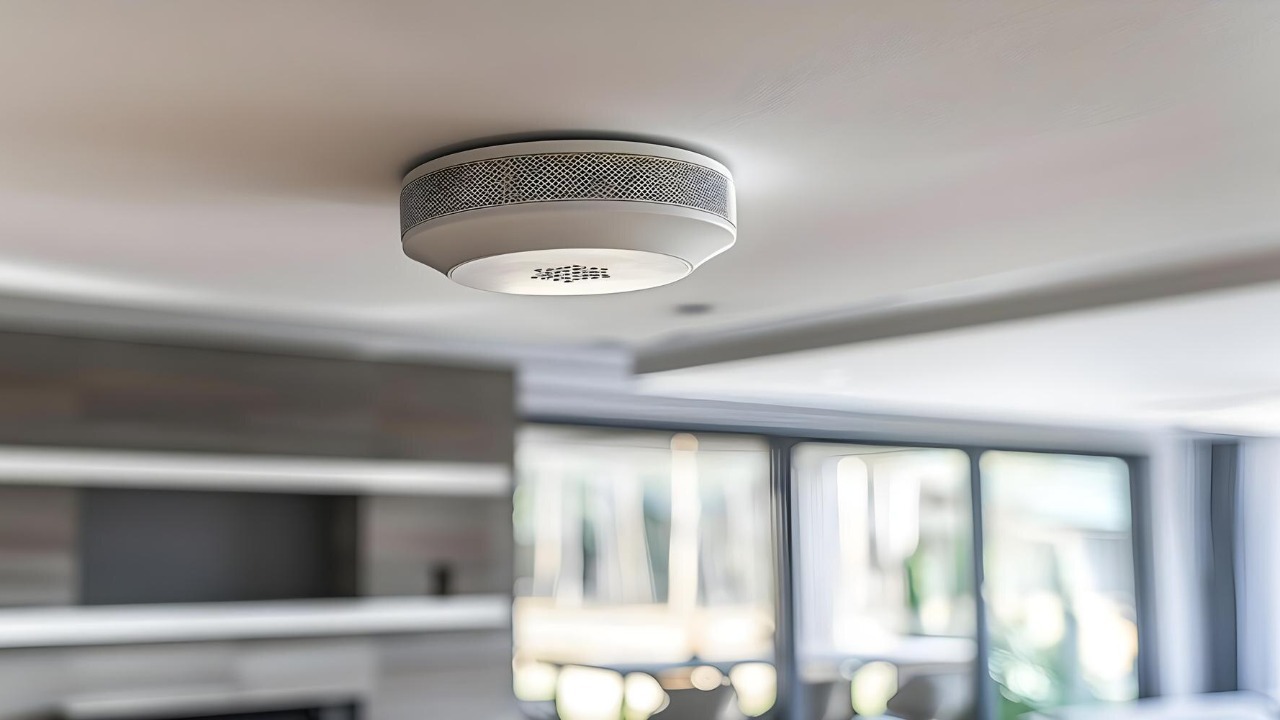
Federal safety officials announced that certain Treatlife detectors did not reliably trigger their alarms when exposed to smoke or elevated carbon-monoxide levels. According to recall notices, the affected devices were sold primarily through online marketplaces such as Amazon, where the brand promoted them as all-in-one, app-connected alarms suitable for bedrooms, hallways, and living spaces. Reporting on the recall has emphasized that the core failure involved the units not sounding when tested under conditions that should have activated both the smoke and carbon-monoxide sensors, a defect that could leave occupants unaware of a growing fire or dangerous gas buildup.
Accounts of the recall explain that Treatlife’s products were part of a broader group of home safety devices pulled from the market after performance problems were identified in regulatory testing and consumer reports. In some cases, users had installed the alarms as part of whole-home smart systems, assuming that smartphone alerts and Wi-Fi connectivity meant better protection than older standalone units. Instead, the recall shows that the underlying sensing and audible alarm functions did not always meet the basic standards expected of residential detectors.
The Treatlife action fits into a longer pattern of smoke alarm recalls that stretches back decades. In one earlier case, Honeywell agreed to recall certain battery-operated smoke detectors after regulators found that the devices could fail to sound under specific conditions, prompting a nationwide effort to replace affected units in homes and apartments. The Consumer Product Safety Commission’s historical notice on those Honeywell detectors shows that even large, established manufacturers have struggled with reliability issues when sensors or circuitry do not perform as intended.
Local coverage of current product safety alerts has grouped the Treatlife alarms with other household items pulled from shelves, including dietary supplements and additional smoke detector brands. One report on nationwide recalls of smoke detectors and moringa supplements describes how regulators flagged multiple products that either contained undisclosed ingredients or failed safety testing. Treatlife’s detectors appear in that context as part of a wider enforcement push aimed at products that touch health and safety inside the home.
Why the Treatlife recall carries high stakes for home safety
Smoke and carbon-monoxide alarms are among the few consumer products that building codes explicitly require because they are often the only warning people get before a fire or gas exposure becomes deadly. When a detector does not sound, the risk is not a minor inconvenience but a direct threat to life. Fire departments routinely point out that most fatal fires occur at night, when residents are asleep and entirely dependent on working alarms to wake them in time to escape.
Carbon monoxide adds another layer of danger. The gas is colorless and odorless, and symptoms of exposure, such as headache and dizziness, can be mistaken for fatigue or illness until it is too late. A combined detector that fails to sound during a CO buildup removes one of the only reliable safeguards against poisoning from furnaces, gas stoves, or attached garages. The Treatlife recall therefore affects not just theoretical performance but the last line of defense in common winter and cold-weather scenarios.
The popularity of Treatlife’s smart-home positioning magnifies the impact. Many consumers chose these detectors because they wanted remote alerts on their phones, integration with voice assistants, or the ability to check status from outside the house. That audience may assume that “smart” equates to safer, when in reality, connectivity features are irrelevant if the core sensor does not trigger an alarm. The recall undercuts the idea that app integration can substitute for rigorous compliance with standards set by testing laboratories and regulators.
There is also a trust issue for online marketplaces. Treatlife detectors were marketed through major e-commerce platforms that host thousands of third-party sellers. Shoppers browsing those listings see star ratings, marketing photos, and claims of certification, but they rarely have direct visibility into how thoroughly a product has been tested. When a safety-critical device later turns out to be unreliable, it raises questions about how platforms vet such products before allowing them to be sold in large volumes.
Regulators have faced similar challenges before. Historical recalls, such as the action involving Honeywell’s battery-operated alarms, show that even products with recognizable brand names and long distribution histories can harbor design or manufacturing flaws. The Treatlife case extends that lesson into the current era of smart-home gadgets, where many newer brands compete on features and price while consumers may not scrutinize certification labels or test results.
Environmental and energy-efficiency advocates have also taken an interest in the Treatlife story because it intersects with a broader push for safer, more sustainable homes. Coverage aimed at eco-conscious homeowners has warned that some smart devices marketed as upgrades may introduce new risks if they are not thoroughly vetted. One such report on Treatlife detectors framed the recall as a reminder that safety certifications and regulatory oversight matter just as much as energy savings or automation features when choosing connected home gear.
How consumers and regulators are likely to respond next
For affected Treatlife owners, the immediate priority is to follow recall instructions and ensure that every bedroom, hallway, and level of the home remains protected during and after the replacement process. Regulators typically advise consumers to keep at least one working smoke alarm on each floor, including the basement, and to install carbon-monoxide detectors outside sleeping areas and near fuel-burning appliances. In practice, that means anyone removing a recalled Treatlife unit should have a backup detector already installed or ready to go, rather than leaving a gap in coverage.
Consumers who registered their devices or provided contact information during purchase can expect direct outreach with details on refunds or replacements. Others may need to check recall databases or news coverage and then contact Treatlife or the retailer with proof of purchase. Fire departments and local safety agencies often help spread the word by posting recall alerts on their websites or social media feeds, especially when the affected products are common in their communities.
On the regulatory side, the Treatlife case is likely to feed into ongoing discussions about how to oversee smart-home devices that straddle the line between consumer electronics and life-safety equipment. Traditional smoke alarms are subject to well-established testing protocols, but internet-connected models add firmware, apps, and cloud services to the mix. Each of those layers can introduce new failure modes, from software bugs that affect sensor calibration to connectivity issues that interfere with alerts. Regulators may push for updated standards that cover not just the physical detector but the entire system.
Online marketplaces can expect renewed pressure to tighten their internal review processes for safety-critical products. That could include requiring clearer proof of certification from recognized laboratories, conducting spot checks on high-volume listings, or working more closely with regulators when potential issues emerge. The Treatlife recall provides a concrete example of how a popular product can slip through initial screening yet still fall short of real-world performance expectations.
For manufacturers, the episode reinforces that there is little margin for error when building devices that people rely on in life-threatening situations. Smart-home brands that want to maintain credibility will need to invest in rigorous pre-market testing, transparent labeling, and responsive post-sale support. Some may choose to highlight independent certifications more prominently on packaging and product pages, not just as a marketing badge but as a core part of their safety story.