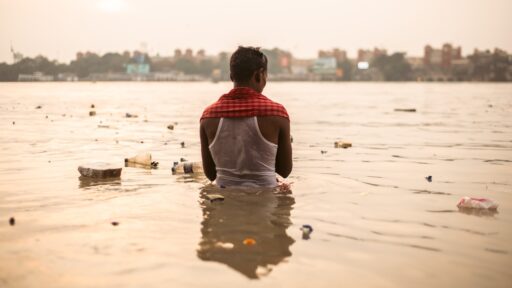
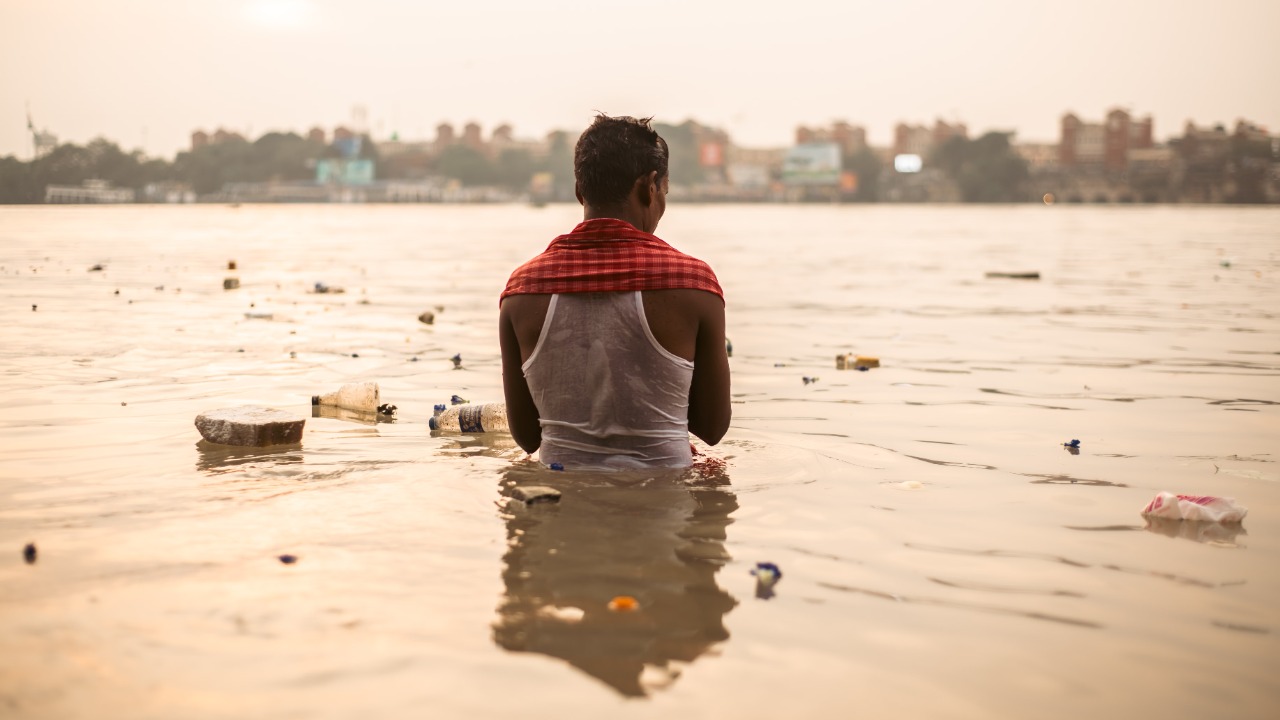

Climate change is not causing every waterborne disease to increase in the same way. Instead, warming temperatures, heavier rainfall, floods, droughts and rising seas are changing which pathogens thrive, where outbreaks occur and when communities face the greatest risk.
A major scientific review published in Nature Reviews Microbiology concludes that climate-sensitive waterborne diseases will shift in complex and sometimes opposing directions. Warmer conditions may increase infections caused by bacteria such as Vibrio cholerae, Salmonella and some diarrheagenic strains of E. coli. Several important viruses, however, spread more efficiently during cooler and drier periods and may become less common in some regions as seasonal conditions change.
The central warning is not simply that warming will produce more illness everywhere. Climate change is altering the established patterns used by health agencies to anticipate outbreaks. The full evidence review can be read through Nature Reviews Microbiology.
Waterborne Diseases Remain a Major Global Threat
Waterborne diseases are caused by bacteria, viruses, parasites and other pathogens transmitted through contaminated drinking water, food or recreational water.
Many spread through the fecal–oral route. Human or animal waste enters a water source, and people become infected after drinking the water, preparing food with it or touching contaminated surfaces.
These diseases include cholera, typhoid, cryptosporidiosis, rotavirus infection, norovirus illness and multiple forms of bacterial diarrhea. They remain particularly dangerous for young children, older adults and people with limited access to medical care.
The new review notes that infectious diarrhea still causes close to 1.2 million deaths annually. The burden is concentrated in communities where safe drinking water, sanitation and healthcare remain unreliable. Climate change threatens to weaken the progress made through clean-water programs, vaccination and improved treatment.
The World Health Organization’s drinking-water guidance estimates that billions of people still use water sources vulnerable to fecal contamination. That creates a large population in which climate-related disruptions can quickly become public-health emergencies.
Warmer Water Helps Many Bacteria Multiply
Temperature directly affects the survival, reproduction and virulence of many microorganisms.
Several disease-causing bacteria grow more rapidly as water and air temperatures rise. Warm conditions can increase their numbers in rivers, lakes, coastal waters, food and household storage containers.
Vibrio cholerae, the bacterium responsible for cholera, is especially sensitive to temperature and salinity. It can multiply in warm, slightly salty water and is often associated with coastal environments, estuaries and plankton.
Warmer oceans and coastal waters may lengthen the periods during which environmental conditions support the bacterium. Rising sea temperatures can also expand suitable habitat into areas that were previously too cold.
The scientific review found that bacterial enteric infections generally increased with higher temperatures. One analysis cited by the researchers estimated that the risk of Salmonella infection rose by approximately 5 percent for every 1°C, or 1.8°F, increase in temperature.
This relationship does not mean temperature alone causes an outbreak. Sanitation, food handling, water treatment, immunity and healthcare access still determine whether exposure becomes widespread illness.
Some Viruses May Decline as Winters Become Warmer
Viruses do not respond to climate in the same way as bacteria.
Norovirus, rotavirus and several adenoviruses often spread most efficiently during cooler and drier months. These pathogens can survive longer outside the body under certain cold conditions, while people spending more time indoors may create additional transmission opportunities.
As winters become shorter or milder, some climate models project reductions in specific viral diarrheal diseases in certain regions.
The review cites evidence that bacterial infections generally rise with increasing temperature while viral infections may decline. This difference demonstrates why scientists caution against describing climate change as a uniform disease amplifier.
A decline in one virus would not necessarily reduce the total health burden. Bacterial infections could rise at the same time, and seasonal disease patterns may move rather than disappear.
Communities accustomed to preparing for viral outbreaks during winter could begin facing stronger bacterial outbreaks during warmer months, changing the demand for testing, treatment and prevention.
Heavy Rain Can Overwhelm Water and Sewage Systems
Extreme rainfall creates one of the clearest connections between climate and waterborne illness.
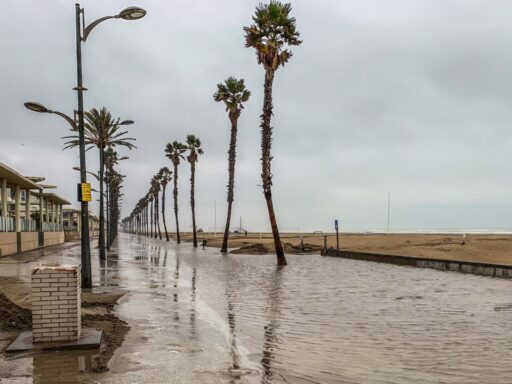
When rain falls faster than drainage systems can manage, sewage may overflow into streets, rivers and drinking-water sources. Agricultural runoff can carry animal waste into wells, reservoirs and coastal waters.
Floodwater may also enter damaged pipes through cracks or pressure failures. Even treated water can become contaminated when storms interrupt electricity, overwhelm filtration systems or damage pumping equipment.
The 1993 cryptosporidiosis outbreak in Milwaukee showed how severe this pathway can become. Contaminated runoff entered the city’s water supply, and an estimated 400,000 people became ill. It remains the largest documented waterborne disease outbreak in United States history.
The CDC’s waterborne-disease resources explain how drinking water, recreational water and environmental exposure can transmit pathogens when treatment or infrastructure fails.
Climate projections indicate that heavy rainfall is becoming more intense in many regions. Older drainage and sewage systems were often designed for historical conditions and may not be able to handle repeated extreme storms.
Rainfall Does Not Always Increase Disease
The relationship between rain and infection is more complicated than it first appears.
Heavy rain following a dry period can produce a “flushing” effect. Waste, animal feces and pathogens accumulate on dry land, in drains and near water sources. A sudden storm then washes this concentrated material into rivers, wells and reservoirs.
Rain falling during an already wet period can sometimes dilute contaminants instead. In that situation, more water may reduce the pathogen concentration even though flooding remains possible.
A systematic review cited in the new research found evidence for both effects. The health outcome depended on previous weather, local sanitation, water-source design and the amount of contamination already present.
This variability makes simple outbreak forecasting difficult. A rainfall total that creates serious danger in one community may have a smaller effect elsewhere because the two locations use different water systems.
Public-health planning therefore needs local data rather than relying only on broad regional climate projections.
Drought Creates a Different Type of Water Crisis
Too much water can spread disease, but too little water can also increase infection risk.
During drought, wells and streams may shrink or disappear. Families may turn to unsafe sources, travel longer distances for water or store supplies for extended periods in containers that are difficult to clean.
Water scarcity can also reduce handwashing, food hygiene and household sanitation.
A large study covering children in low- and middle-income countries found that six months of drought was associated with an approximately 5 to 8 percent increase in diarrhea risk. The strongest effects appeared in households that lacked soap or had to travel long distances to collect water. The complete research is available through Nature Communications.
Drought can also concentrate pathogens in a smaller volume of water. A river may carry less water while receiving similar levels of sewage or agricultural contamination, increasing the concentration to which users are exposed.
These conditions can persist long after rainfall returns because damaged livelihoods and depleted water infrastructure take time to recover.
Rising Seas Could Contaminate Coastal Water Supplies
Sea-level rise introduces an additional threat to low-lying coastal communities.
Saltwater can move into groundwater, wells, ponds and agricultural land. This process, known as saltwater intrusion, reduces the availability of fresh drinking water and may force households to use less reliable alternatives.
Slightly salty water can also provide favorable conditions for Vibrio cholerae. Coastal warming, storm surges and saltwater intrusion may therefore combine to increase cholera suitability in some regions.
Bangladesh is particularly vulnerable because millions of people live close to sea level and depend on shallow groundwater and surface water. Research has connected coastal salinity and storm-related disruptions with poor health outcomes in affected communities.
Rising seas can also damage sanitation systems. Septic tanks, wastewater plants and drainage networks may fail when groundwater levels rise or storm surges move farther inland.
Social Conditions Determine Who Faces the Greatest Risk
Climate hazards do not become disease outbreaks through weather alone.
The greatest risks usually occur where extreme conditions meet weak infrastructure, poverty, displacement and limited healthcare access.
A wealthy city with reliable treatment plants, backup electricity and rapid testing may prevent an outbreak after a flood. A poorer settlement exposed to the same rainfall may have open sewage, contaminated wells and no practical way to avoid unsafe water.
Informal settlements, refugee camps and communities affected by conflict face especially high risk because water and sanitation systems may already be inadequate.
Children are more vulnerable to severe dehydration from diarrheal disease. Malnutrition, limited vaccine access and delayed medical treatment can make an otherwise treatable infection fatal.
The WHO’s climate-and-health overview describes climate change as a threat multiplier because it worsens existing weaknesses in health systems, food security, sanitation and living conditions.
Better Surveillance Must Identify the Exact Pathogen
Health agencies cannot respond effectively if every diarrheal outbreak is treated as the same problem.
Different pathogens respond differently to temperature, rainfall and treatment. Cholera may require rapid vaccination, water chlorination and rehydration centers. Cryptosporidium can resist ordinary chlorine treatment and may require improved filtration or boiling.
Norovirus spreads efficiently between people and through contaminated surfaces, meaning water-system repair alone may not stop transmission.
The new review recommends stronger pathogen-specific surveillance. Laboratories must be able to identify which organism is spreading, while climate and weather information can help officials anticipate where the risk is increasing.
Wastewater monitoring, rapid diagnostic testing and real-time reporting can help detect outbreaks before hospitals become overwhelmed.
Climate-Resilient Water Systems Offer the Strongest Protection
The most effective long-term defense is reliable water, sanitation and hygiene infrastructure.
Treatment plants need backup power, flood protection and the capacity to handle heavy runoff. Sewer systems must be designed to prevent untreated waste from entering drinking-water sources during storms.
Rural communities need protected wells, safe household storage and practical methods for treating water when centralized systems are unavailable.
Vaccines also provide protection against several waterborne diseases, including cholera, rotavirus, typhoid and hepatitis A. However, floods and heat can disrupt the refrigeration networks required to store and transport some vaccines safely.
The research does not present climate adaptation as a single technical solution. It calls for combinations of stronger infrastructure, vaccination, surveillance, sanitation and social support tailored to each region’s changing threats.
Climate Change Is Reshuffling Risk Rather Than Moving It in One Direction
The most important conclusion is that waterborne disease patterns are becoming less predictable.
Some bacterial infections are likely to expand as temperatures rise. Some viral diseases may weaken in regions where cold seasons become shorter. Floods can spread contamination, while droughts can force people toward unsafe water sources.
The outcome depends on the pathogen, climate event, water system and vulnerability of the affected population.
This complexity does not make action impossible. It makes broad assumptions dangerous.
Governments cannot prepare only for more cholera, fewer viral infections or stronger flood-related outbreaks. They need adaptable health systems capable of identifying changing risks as they emerge.
Climate change is not simply increasing an existing waterborne-disease problem. It is rewriting the environmental rules that determine when and where different diseases spread.