
A sprawling dome of high pressure is poised to roast a huge swath of the central and eastern United States next week, driving heat index values into “major” and even “extreme” risk territory for tens of millions of people. From the Gulf Coast to the Great Lakes, communities that have already endured an early-season hot spell now face a longer, more dangerous stretch of heat that will test power grids, emergency services, and household budgets.
Forecasters expect the most oppressive conditions to run from the Deep South through the Mississippi Valley and into parts of the Midwest, including Michigan, where humidity will magnify already high temperatures. The risk is not limited to traditional hot spots, with overnight lows projected to stay unusually warm in many cities, giving bodies little chance to recover and sharply increasing the odds of heat-related illness.
How the upcoming heat dome will reshape conditions across the central and eastern U.S.
Meteorologists are tracking a powerful upper-level ridge that will park over the central and eastern United States, forming a classic heat dome that traps hot air near the surface. Under this pattern, sinking air compresses and warms, skies stay mostly clear, and the sun has free rein to push temperatures higher day after day. Forecast models cited in recent heat dome projections show this ridge expanding eastward, spreading dangerous heat from Texas and Louisiana through the Ohio Valley and into Michigan.
Within this zone, the National Weather Service heat risk index is expected to climb into its highest tiers, labeled “major” and “extreme,” for large population centers. Reporting on the upcoming pattern describes a corridor of oppressive conditions from the Deep South into the Midwest, where both daytime highs and nighttime lows will run well above seasonal averages. Cities along the Gulf Coast, interior sections of Mississippi and Alabama, and metro areas along the lower Mississippi River are all flagged for extended periods of heat advisories or warnings as the dome settles in and strengthens.
The threat does not stop at the Mason-Dixon Line. Forecast discussions referenced in coverage of the major or extreme highlight that oppressive humidity will push dangerous heat index values into parts of the Midwest and Great Lakes region. Michigan, typically more buffered by cooler air off the lakes, is expected to see heat index readings that rival those of more southern states as southerly winds funnel moist air northward.
Persistence is another key feature of this pattern. Instead of a quick two-day spike, the dome is projected to linger, allowing heat to build at the surface and in structures. Pavement, brick, and concrete absorb solar energy and re-radiate it at night, especially in dense urban cores. That creates an urban heat island effect where neighborhoods with fewer trees and more asphalt stay several degrees warmer than surrounding suburbs, locking vulnerable residents into a cycle of prolonged stress on the body.
Why the intensifying heat risk is especially dangerous right now
The timing of this event compounds its danger. Many of the communities in the crosshairs have already endured significant heat this season, which has dried soils and elevated baseline temperatures. When a heat dome builds over ground that is already warm and parched, the feedback loop accelerates: less moisture is available to evaporate, so more incoming solar energy goes directly into raising air temperatures. Analysts tracking the recent heat wave across the country have noted similar soil moisture deficits that helped push readings to record or near-record levels.
Health experts consistently point out that heat is the deadliest weather hazard in the United States, surpassing hurricanes, floods, and tornadoes in typical yearly fatalities. The risk categories of “major” and “extreme” are not abstract labels: they correspond to conditions where even healthy individuals can become sick if they spend extended time outdoors, and where people with underlying conditions face a sharply higher chance of heat stroke or cardiac events. Prolonged exposure to high overnight temperatures is especially dangerous for older adults, people with cardiovascular disease, and those who cannot afford or access air conditioning.
Socioeconomic factors intersect with the meteorology in ways that make this upcoming stretch of heat particularly concerning. In many Southern cities, older housing stock, poor insulation, and limited tree cover leave low-income neighborhoods much hotter than wealthier areas. Residents who rely on window units or fans may find them inadequate once heat index values climb into the “extreme” range for several days in a row. Advocates and public health officials have warned that households already strained by high electricity prices must choose between cooling and other necessities, a dilemma that becomes more acute when the heat does not break at night.
Infrastructure faces its own stress test. Extended periods of high demand for air conditioning can strain regional power grids, especially in fast-growing metro areas across Texas and the Southeast. Transmission lines sag in the heat, transformers run hotter, and any unplanned outage can quickly turn into a life-threatening emergency for residents who depend on powered medical equipment or live in high-rise buildings. Transportation systems also feel the impact as asphalt softens, rail tracks expand, and air quality alerts reduce construction and outdoor work windows.
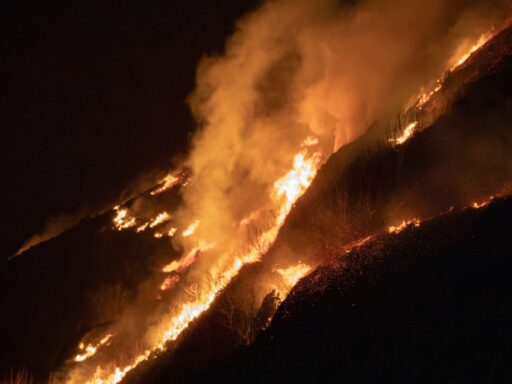
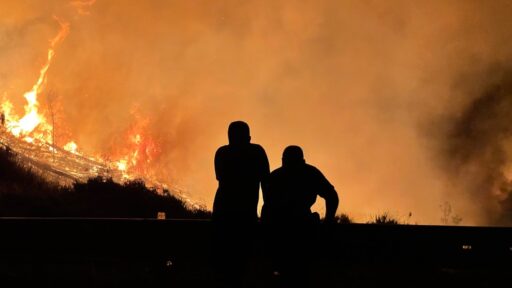
Fire danger is another emerging concern under this pattern. The same stable, hot conditions that create a heat dome also dry out vegetation. Forecast discussions linked to the expanding ridge describe elevated wildfire risk in parts of the central and eastern United States as grasses and brush lose moisture and winds occasionally gust along the periphery of the high-pressure system. While the West has historically drawn more attention for large wildfires, recent seasons have shown that prolonged summer heat can fuel dangerous blazes east of the Rockies as well.
How communities and officials can prepare as the heat risk expands north
With several days of lead time, emergency managers and local leaders have a window to blunt the worst impacts of the upcoming heat wave. One priority is clear communication about what “major” and “extreme” heat risk actually mean in practical terms. Forecast offices increasingly use color-coded maps and plain-language messaging to warn residents when conditions will be dangerous even for short periods outdoors, and when vulnerable groups should treat the heat as an immediate health threat rather than a routine summer inconvenience.
Cooling centers are likely to become a lifeline, particularly in the Deep South and lower Midwest. Cities can extend hours at libraries, community centers, and recreation facilities, and coordinate transportation for people who cannot drive. Partnerships with churches, neighborhood groups, and nonprofit organizations help identify residents who are isolated, such as older adults living alone or people with disabilities who may hesitate to seek help. In past heat events, door-to-door wellness checks and phone trees have proven effective at catching early signs of trouble before they turn into medical emergencies.
Employers and schools in the affected corridor also face decisions about schedules and safety protocols. Outdoor workers in construction, agriculture, and delivery services are at high risk when heat index values climb into the upper tiers of the risk scale. Health guidance for such conditions typically recommends more frequent breaks, shaded rest areas, and adjustments to shift times so the most strenuous tasks occur during the cooler early morning hours. Youth sports programs and summer camps may need to cancel or modify activities on the hottest days to avoid sending children to emergency rooms with heat exhaustion.
Households across the Deep South and up into Michigan can take practical steps before the worst heat arrives. Simple actions such as checking and cleaning air conditioner filters, sealing gaps around windows, and installing reflective window coverings can shave a few degrees off indoor temperatures. Residents who live alone or lack reliable cooling should identify a friend, relative, or nearby public space where they can spend the hottest part of each day. Communities that learned hard lessons from previous heat waves, including those documented in recent coverage of record-breaking temperatures, are better positioned if they act early rather than waiting for advisories to escalate.