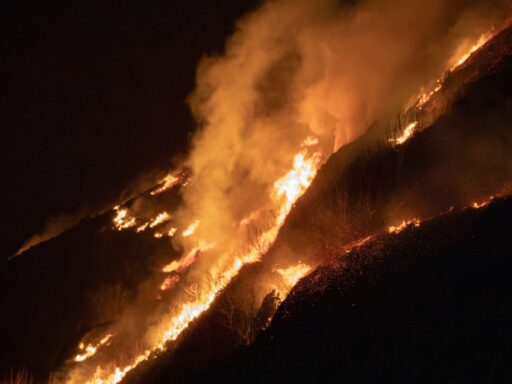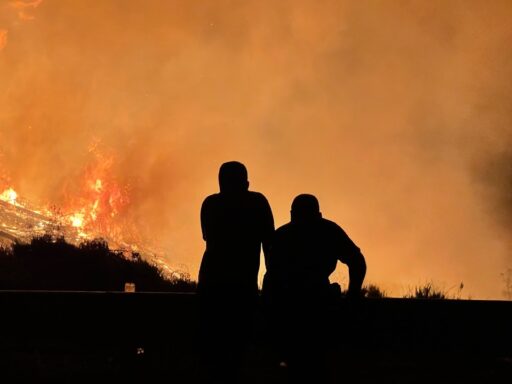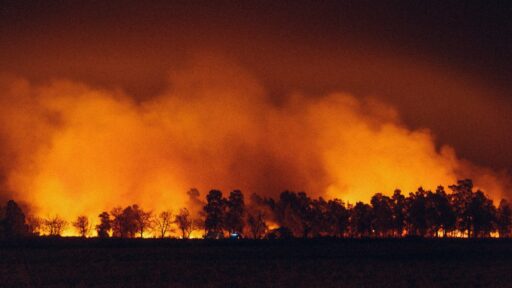
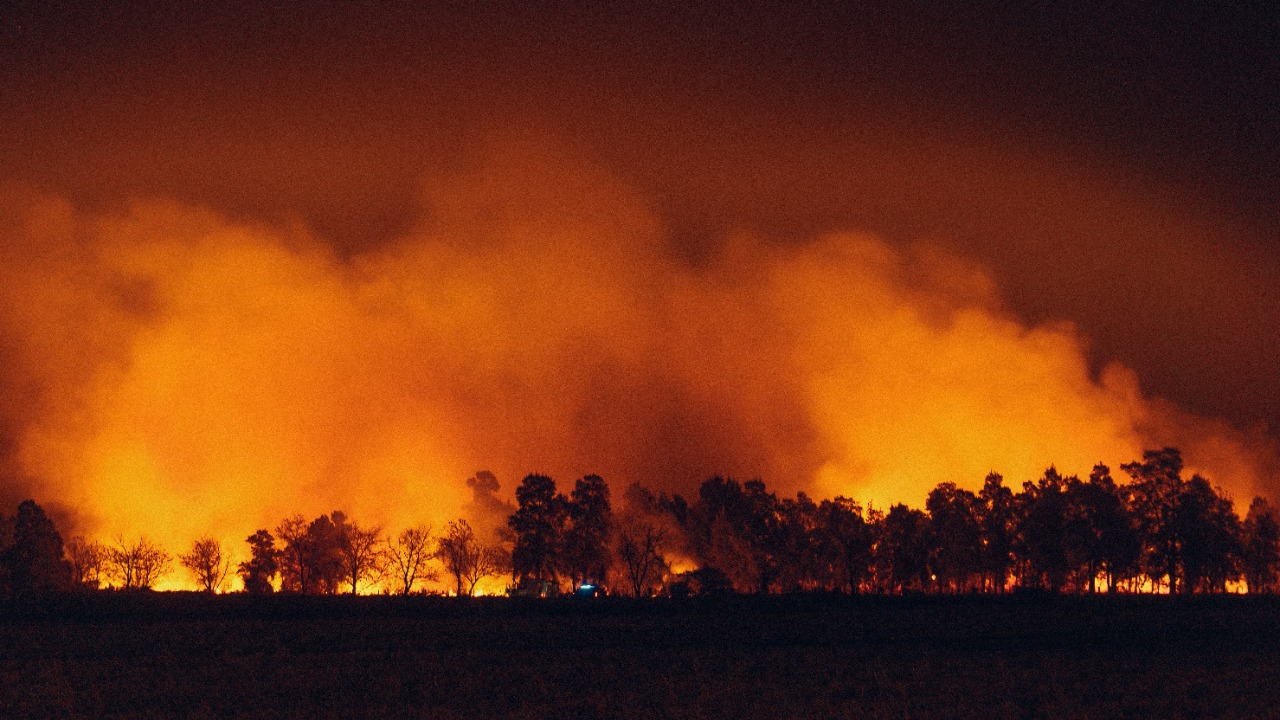

Six sizable wildfires burning simultaneously across Utah have pushed firefighters into a high-tempo, statewide response as hot, windy weather turns dry grass and brush into fast-burning fuel. The cluster of blazes comes as forecasters warn that the coming days could bring even more dangerous fire conditions, with little relief in sight. Together, the fires and the forecast are testing Utah’s readiness for a longer, more volatile fire season.
How Utah went from scattered starts to six major fires at once
Utah typically sees a gradual ramp-up in wildfire activity, with small starts in spring and early summer before larger incidents emerge later in the season. This year, that pattern has shifted into a sharper jump, with six larger fires now burning at the same time and drawing crews, aircraft, and equipment from multiple corners of the state. Fire officials describe a mix of lightning strikes and human-caused ignitions that found exactly the right conditions to spread quickly.
Across the interior West, a broad dome of high pressure has driven temperatures well above seasonal norms and pulled humidity down to single digits. The pattern has helped turn mountain foothills, canyon country, and rangeland into tinder, and it has not been limited to Utah. Similar heat and wind have been linked to fast-moving wildfires in other western states, where forecasters have warned that prolonged warmth, gusty conditions, and lingering drought are combining into a volatile backdrop for fire behavior, according to a regional look at heat, wind and.
Within Utah, that same pattern has played out in real time. Fire managers describe grasses that cured earlier than usual, shrubs that never fully recovered moisture after a dry stretch, and soils that are losing water rapidly under the heat. When afternoon winds pick up, embers can jump fire lines and spot ahead of the main front, turning what might have been a manageable brush fire into a larger incident in a matter of hours.
Several of the current fires have already forced short-notice evacuations and road closures as flames moved toward homes, ranches, and recreation areas. Local sheriffs and emergency managers have gone door to door in some communities, urging residents to leave quickly and to be prepared for changing conditions. In other parts of the state, firefighters have focused on protecting critical infrastructure, including power lines and communications towers that run through steep, fire-prone terrain.
The six concurrent blazes are also stretching air resources. Fixed-wing tankers and helicopters have been cycling between incidents, dropping retardant and water on the most active flanks while ground crews build and reinforce containment lines. With multiple fires competing for the same aircraft, incident commanders have had to prioritize where aerial support can make the biggest difference on a given day.
Why the current wildfire surge raises new alarms for Utah
Utah’s fire agencies have long warned that hotter summers and longer dry spells would raise the odds of multiple large fires burning at once. That scenario has now arrived, and it is unfolding against a backdrop of forecasts that suggest the state’s fire danger may climb even higher in the weeks ahead. State foresters and meteorologists have cautioned that high temperatures, low humidity, and gusty winds could continue to align, creating conditions where any spark in dry vegetation can lead to rapid spread, a risk highlighted in projections that fire conditions could with the weather.
One immediate concern is simple capacity. When six large incidents are burning at once, every additional start increases the chance that crews will be forced to triage, letting lower-priority fires burn in less populated areas while focusing on those that threaten lives and property. That approach is standard in major fire years across the West, but it can leave rural communities and rangeland exposed to smoke, erosion, and habitat loss even if homes are not directly in the path of the flames.
The fires also have implications for public health. Smoke from multiple incidents can pool in valleys and basins, especially overnight, pushing fine particulate levels higher for residents who live far from the fire lines. Health officials typically urge people with asthma, heart disease, or other respiratory issues to limit outdoor activity when smoke is thick, and they warn that repeated exposure over a long season can compound those risks. With six fires burning simultaneously, more Utahns are likely to experience at least some smoke impacts, even if they never see flames.
Economically, the timing of the fires is sensitive. Summer is peak season for tourism in Utah’s national parks, state parks, and mountain resorts. Trail closures, smoky skies, and intermittent road shutdowns can discourage visitors, disrupt guiding and outfitting businesses, and complicate travel plans. Ranchers and farmers also face challenges as flames threaten grazing allotments, fencing, and water infrastructure that are difficult and costly to replace.
For communities that have lived through previous large fires, the current surge brings back familiar worries. Residents in fire-adapted landscapes increasingly talk about how many summers in a row they can handle evacuation alerts, smoky weeks, and the constant need to keep go-bags and important documents ready by the door. Mental health professionals in some counties have started to treat wildfire seasons less as isolated disasters and more as recurring stress events that shape daily life.
At the same time, the six active fires are providing a real-world test of the state’s investments in mitigation. Over recent years, Utah agencies and local partners have expanded fuel reduction work in some high-risk corridors, cutting and thinning vegetation near communities and along key access roads. As the current fires move across the landscape, fire managers are watching closely to see where those treatments slow flame spread or give crews safer places to work, and where additional projects may be needed.
How Utah is preparing for the next phase of a lengthening fire season
With six larger wildfires already on the board and weather trends pointing toward continued heat and wind, Utah officials are treating this period as the early to middle stage of a potentially long season rather than a peak that will quickly fade. That outlook is shaping both short-term tactics and longer-term planning.
In the near term, fire agencies are pre-positioning strike teams in areas where lightning or human activity is likely to spark new starts. That can include staging engines and crews near popular recreation corridors on busy weekends, or moving resources closer to forecast wind events so they can respond quickly if a small fire begins to run. Incident commanders are also coordinating closely with neighboring states to share aircraft and specialized crews when possible, recognizing that regional demand can spike when heat waves cover much of the West.
Public messaging is another front. With conditions primed for rapid fire growth, state and local officials are urging residents and visitors to be extremely cautious with campfires, target shooting, fireworks, and vehicles that can throw sparks into roadside grass. In some counties, restrictions on open burning and certain types of recreation have already been tightened, with the promise of further limits if fire danger continues to rise. The goal is to reduce the number of preventable starts so that scarce resources can focus on lightning-caused fires and other incidents that cannot be avoided.
Looking slightly farther ahead, land managers see the current cluster of fires as part of a broader pattern that will require sustained adaptation. That includes expanding defensible space programs around homes in the wildland urban interface, encouraging the use of fire-resistant building materials in new construction, and planning evacuation routes that account for the possibility of multiple fires affecting the same region at once. Counties that have updated their community wildfire protection plans are now testing those blueprints in real time as the six active incidents evolve.