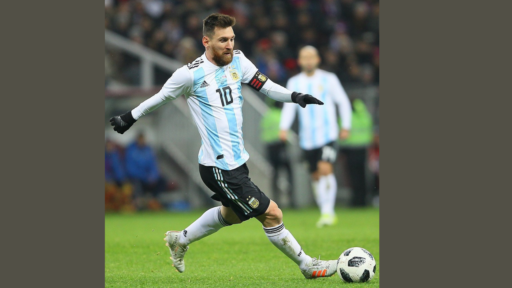
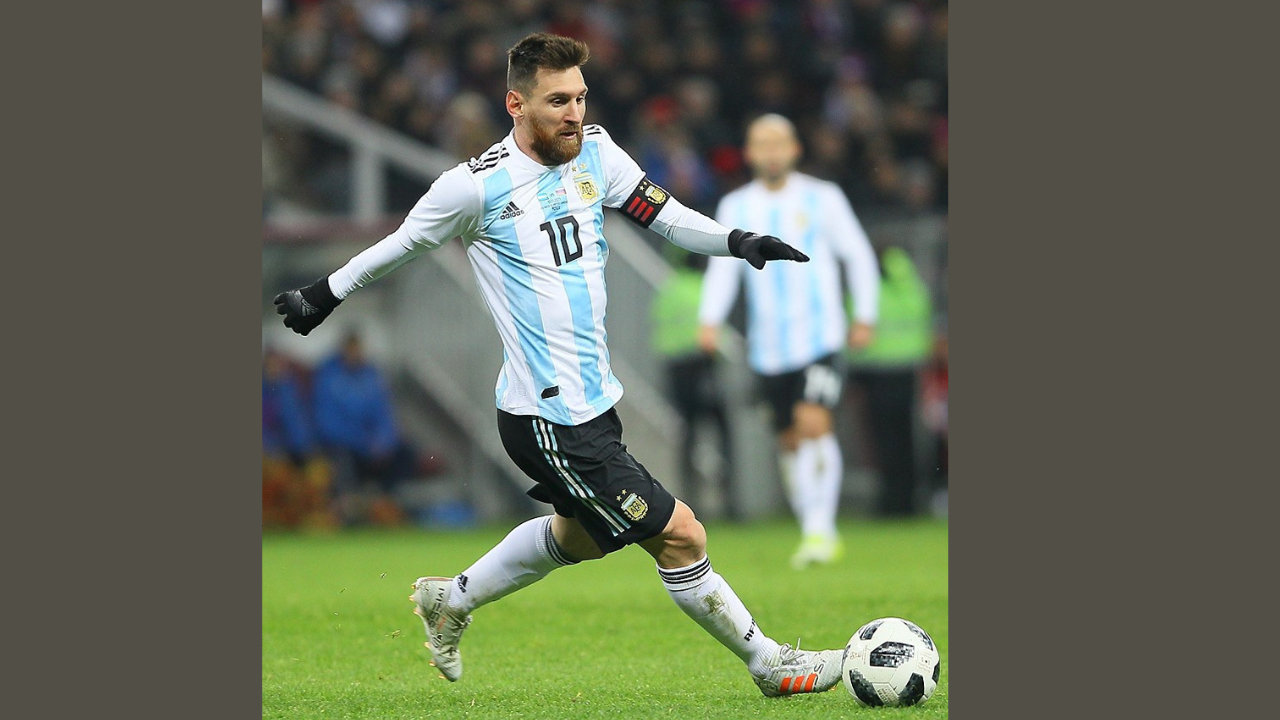

Lionel Messi found the net yet again on a World Cup night that also delivered a landmark step forward for the Democratic Republic of Congo. While the Argentina captain added another line to his personal record book, DR Congo quietly achieved a breakthrough that could reshape how African contenders are viewed on the global stage.
The contrast was striking: one of football’s most decorated stars doing what he has done for nearly two decades, and a national team long absent from the spotlight forcing its way into the tournament’s decisive phase. Together, they turned an ordinary group-stage slate into a snapshot of where the sport’s power and possibility now sit.
Key shifts behind Messi’s latest strike and DR Congo’s breakthrough
Messi’s goal arrived with familiar precision. The Argentina forward, already central to his country’s attack at this World Cup, once again provided the decisive touch that separated his side from danger. According to detailed match accounts, he converted from close range after a patient move in the final third, a finish that underlined how Argentina still look to him to resolve tight contests when other routes have stalled. The pattern has become routine: when the game narrows, Messi is the player trusted to find the extra yard of space and turn it into a goal.
His influence extended beyond the scoresheet. Dropping repeatedly into pockets between midfield and defence, Messi drew markers out of position and opened lanes for runners from deeper areas. Even when he was not directly involved in the final action, Argentina’s most promising attacks flowed through his movement and passing angles. This balance of creator and finisher has defined his World Cup performances, and the latest match simply reinforced that dual role.
On the same day, DR Congo produced a result that carried very different, but equally significant, weight. Their progression from the group phase, confirmed after a tense set of final fixtures, marked a historic advance for a side that has rarely been part of the World Cup conversation in the modern era. Match reports describe a disciplined defensive display, with DR Congo holding their shape under pressure and seizing key moments to disrupt more fancied opponents. That resilience, rather than a flurry of goals, became their calling card.
The turning point came in a match where DR Congo needed both a positive result and a favourable swing elsewhere in the group. They delivered their part through compact defending and sharp transitions, then watched as the parallel fixture produced the exact margin they required. The combination of their own performance and that external result sealed a place in the knockout rounds that few analysts had forecast at the start of the tournament.
Together, those intertwined storylines, Messi’s strike and DR Congo’s survival, framed the day’s action in a way that highlighted both individual brilliance and collective evolution. One was expected, the other less so, yet together they shifted the tone of the World Cup narrative.
Why Messi’s consistency and DR Congo’s rise matter in this World Cup window
Messi scoring at a World Cup is no longer a surprise, but the context around his latest goal still matters. Argentina entered the tournament as one of the leading contenders, yet their margin for error in the group has been slim. Each Messi contribution has therefore carried outsized weight in keeping them on course for the latter stages. His most recent strike, detailed in full in one match analysis, did more than pad his personal tally, it steadied a campaign that could easily have become complicated.
The goal also feeds a broader question about how far Argentina can stretch a generation built around Messi. Several of his long-time international teammates are now operating on similar timelines, and each World Cup match feels like part of a final chapter. Every time he scores, the idea of a deep run gains credibility, and with it the sense that this might be one of the last chances to see him dominate at this level.
DR Congo’s progress, by contrast, shifts attention from legacy to emergence. Their qualification from the group stage represents a rare breakthrough for a country that has often been overshadowed by continental heavyweights. Detailed coverage of the final round of fixtures, including Colombia’s meeting with Portugal and DR Congo’s clash with Uzbekistan, shows how tightly balanced the group became before DR Congo finally edged through. One report on the decisive day describes how Colombia and Portugal shaped the final standings, which in turn opened the door for DR Congo’s advancement.
The impact of that achievement stretches beyond one tournament. For African football, DR Congo’s success adds another competitive name to a list that has grown in recent years. It supports the argument that depth across the continent is improving, that qualification spots and knockout berths are no longer the near-exclusive domain of a small group of familiar nations. When a side with DR Congo’s history can navigate a tricky group and emerge on the right side of fine margins, it sends a message to both regional rivals and global observers.
There is also a tactical dimension. DR Congo’s approach has leaned on defensive structure and targeted aggression rather than expansive possession play. That template, often associated with underdogs, has shown it can still disrupt teams that prefer to dominate the ball. In a tournament where several favourites have already stumbled against compact, well-drilled opponents, DR Congo’s success reinforces the idea that adaptability and discipline can match technical superiority over 90 minutes.
For neutral viewers, the combination of Messi’s ongoing excellence and DR Congo’s rise enriches the tournament’s storyline. It offers both a familiar focal point and a fresh narrative, which is often what elevates a World Cup from a predictable procession to a compelling spectacle. Established stars provide the continuity, emerging teams supply the tension and surprise.
How Argentina and DR Congo can build on this momentum
For Argentina, the path forward remains clear and unforgiving. Messi’s form gives them a reliable attacking spearhead, but the supporting cast will determine how far they travel into the knockout rounds. The coaching staff must manage his minutes carefully, balancing the desire to keep him on the pitch with the physical demands of a condensed schedule. Tactical tweaks, such as surrounding him with runners who can stretch defences and relieve some creative burden, will be essential as opponents grow stronger.
There is also a psychological component. Argentina have at times looked tense when protecting narrow leads, relying on Messi to drop ever deeper to help control possession. If they can find a way to maintain structure without asking him to solve every phase of play, they will be better equipped for the high-pressure moments that define quarter-finals and semi-finals. The latest performance suggests that the team is still calibrating that balance, with Messi at the centre of every adjustment.
DR Congo face a different set of challenges. The knockout rounds will bring opponents with deeper benches and greater tournament experience. To progress further, they will need to maintain the defensive concentration that carried them through the group while adding a sharper edge in attack. Set pieces, counterattacks and moments of individual improvisation are likely to decide their fate from here.
The coaching staff will also need to manage expectations at home. A historic qualification can quickly shift public perception from hope to demand. For a squad that has already overachieved relative to outside forecasts, the key will be to treat each additional match as an opportunity rather than a burden. If they can keep the same clarity and freedom that marked their group-stage performances, they have a chance to trouble more established sides.
Beyond this tournament, DR Congo’s progress could influence investment and development pathways. Success on the World Cup stage often unlocks new interest from domestic sponsors, youth academies and diaspora talent. If federation leaders can channel that attention into long-term structures instead of short-term celebration, this campaign might be remembered as the start of a sustained presence rather than a one-off surge.