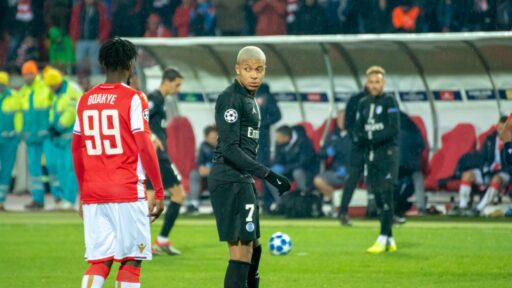
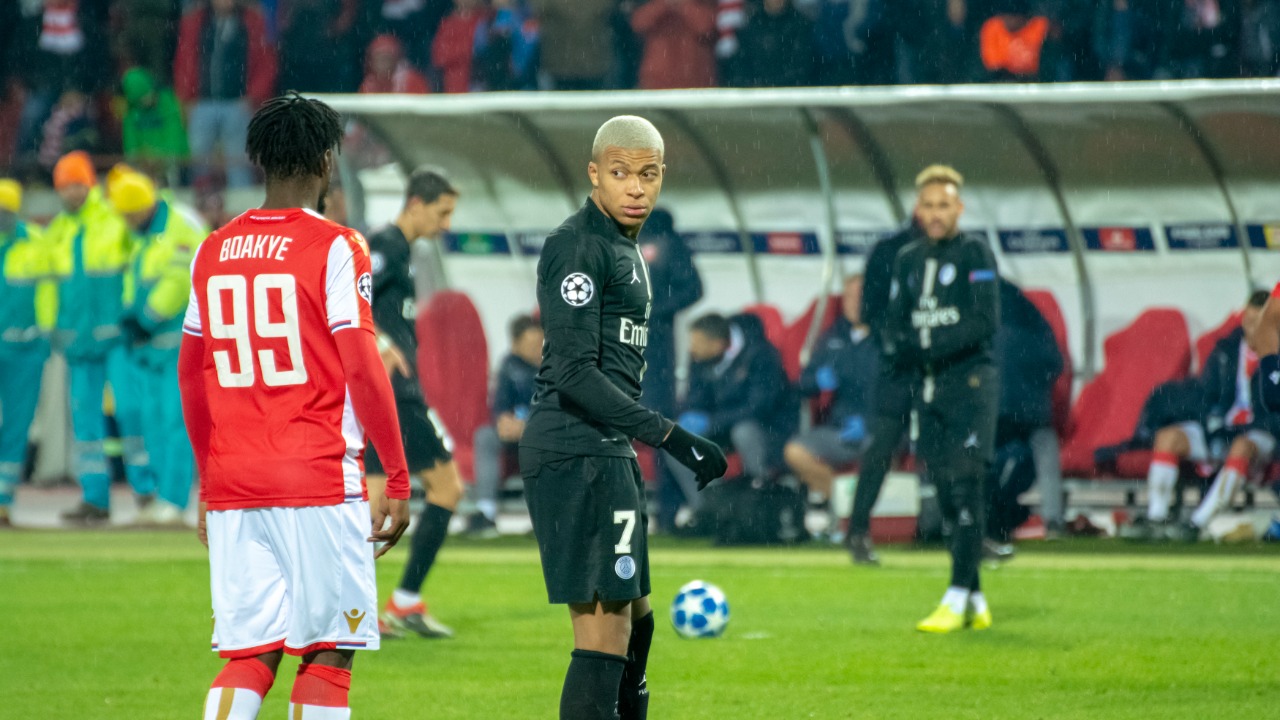

Kylian Mbappe chose the World Cup knockout stage to remind everyone why he remains the defining forward of his generation. With two goals and a hand in a third, he turned a potentially awkward tie with Sweden into a statement 3-0 victory that sent France comfortably into the next round. The scoreline reflected not only his finishing but also a broader French control that rarely allowed Sweden a genuine route back.
How Mbappe’s brace reshaped a tricky World Cup tie
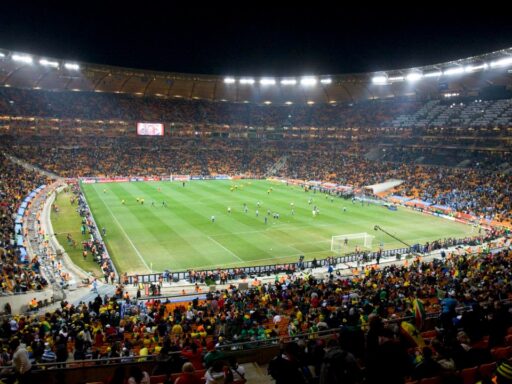
France arrived in New Jersey as heavy favorites, yet the opening half-hour showed why knockout football rarely follows rankings. Sweden pressed high, tried to crowd the central channels and looked to isolate France’s full backs. For a spell, it worked. France’s rhythm was patchy and the crowd at MetLife Stadium, packed with traveling fans and local supporters, grew a little restless as the underdogs carved out early half-chances, which were tracked in live updates from the ground.
The match turned when Mbappe began drifting off the left flank into the inside-right pocket, pulling Sweden’s back line out of its compact shape. His first goal came from exactly that sort of movement. Collecting a pass on the edge of the box, he shifted the ball onto his right foot and fired low into the far corner, a finish that reflected the composure that has defined his World Cup career. The strike settled French nerves and forced Sweden to abandon their conservative press.
With the lead secured, France looked far more like the methodical tournament side that has become familiar over the past decade. The midfield triangle started to dictate tempo, with the holding midfielder dropping between the center backs to launch diagonal switches toward Mbappe and the opposite winger. Sweden’s full backs, who had initially stepped high to contest those balls, began to retreat, which opened space for France’s overlapping runs.
Mbappe’s second goal underlined the tactical shift. With Sweden now chasing, France broke quickly through midfield and released their captain in behind. His acceleration left the last defender scrambling and the finish, clipped calmly past the goalkeeper, gave France a 2-0 cushion that felt decisive. Reports from multiple outlets described how the two Mbappe goals effectively ended Swedish resistance before the final quarter of an hour.
The third French goal, created again from pressure on Sweden’s back line, turned the closing stages into a controlled procession. Sweden pushed bodies forward, but France’s defensive structure held firm, with the center backs dominant in the air and the full backs far more conservative than in the group stage. For all of Sweden’s effort, the European side rarely managed to drag France into the kind of chaotic end-to-end exchanges that favor an upset.
Why Mbappe’s performance carries extra weight for France now
Mbappe has long been judged by standards reserved for the very few, and this World Cup has been no exception. After a group phase in which he faced tight marking and, at times, heavy physical treatment, questions surfaced about whether defenses had begun to solve him. The answer against Sweden was clear. By scoring twice and driving France to a 3-0 win, as highlighted in detailed match reports, he reasserted his status as the tournament’s most feared forward.
The stakes around this match went beyond a single knockout tie. France entered this World Cup with expectations shaped by recent deep runs and a squad filled with Champions League regulars. Anything less than a convincing display against Sweden would have invited scrutiny of the coach’s selections and tactical approach. Instead, Mbappe’s brace provided a clean narrative: the captain had taken control of a potentially fraught evening and delivered a result that matched pre-tournament billing.
There is also the historical context. Mbappe’s goals against Sweden added to a growing World Cup tally that already places him among the most prolific scorers in the competition’s modern era. Coverage of the match noted how his latest strikes moved him closer to long-standing French and global records, with analysis of his framing the night as another step in a career that increasingly invites comparison with all-time greats.
From a tactical perspective, the match also mattered for how France used their attacking depth. The coach had been criticized earlier in the tournament for conservative substitutions and a perceived reluctance to rotate. Against Sweden, the timing and type of changes were more assertive. Introducing fresh legs in wide areas kept the press active and protected Mbappe from unnecessary late-game sprints, a detail that could prove significant in a long tournament. Reports from New Jersey pointed to the way France managed the final minutes, with local coverage emphasizing how the side balanced game control with energy conservation.
Psychologically, a comfortable 3-0 in a knockout setting has value that goes beyond goal difference. Tournament favorites often speak about “growing into” a World Cup, and this felt like the night France moved from efficient to imposing. The defense secured a clean sheet, the midfield controlled the rhythm, and the attack finally looked ruthless in front of goal. For a squad that has carried the weight of expectation since arriving in North America, such a complete performance reduces external noise and strengthens internal belief.
For Sweden, the defeat will sting, but there is little shame in being eliminated by a France side operating at this level. Their early pressing plan showed courage and tactical clarity, even if it could not be sustained once Mbappe found his range. The gap that emerged after the first goal illustrated the fine margins that separate resilient underdogs from genuine contenders in knockout football.
How France’s win over Sweden shapes the rest of their World Cup
Advancing with a 3-0 victory changes both the practical and psychological landscape of France’s tournament. On a practical level, the clean sheet and controlled second half allowed key players to avoid excessive fatigue. The match reports from MetLife Stadium, including coverage that described how France cruised into the, noted the relative lack of late drama or emergency defending. That matters when the next opponent is likely to be fresher and more technically polished than Sweden.
The win also clarifies France’s identity for the rest of the competition. In the group stage, they oscillated between possession-heavy control and more direct transitions, sometimes within the same match. Against Sweden, the blueprint looked more stable. The back four stayed compact, the holding midfielder anchored the center, and Mbappe was given license to roam into spaces where he could receive the ball facing goal rather than with his back to it. Future opponents are likely to adjust by dropping deeper and doubling up on his preferred channels.
From a preparation standpoint, the coaching staff now has a clearer sense of which combinations work best under pressure. The link between Mbappe and the central playmaker, which produced several of France’s best moves, will likely be a focal point in training. At the same time, the staff will be aware that overreliance on their captain can make the attack predictable. Upcoming opponents will study how Sweden initially disrupted France by crowding the half-spaces and may look to replicate that approach for longer stretches.
The broader World Cup picture also shifts with this result. A France side that sweeps aside its first knockout opponent by three goals instantly looks more formidable to potential quarterfinal and semifinal rivals. Coverage that framed the 3-0 as France “easing past” Sweden, including reports that the team controlled the tie from the moment of Mbappe’s opener, will feed into that perception.
There are still questions to answer. France has yet to face a side with the attacking variety of some of the tournament’s other favorites, and there is limited recent evidence of how this back line copes when pinned deep for extended spells. The midfield, while technically gifted, will be tested by opponents who press more aggressively than Sweden managed after falling behind.