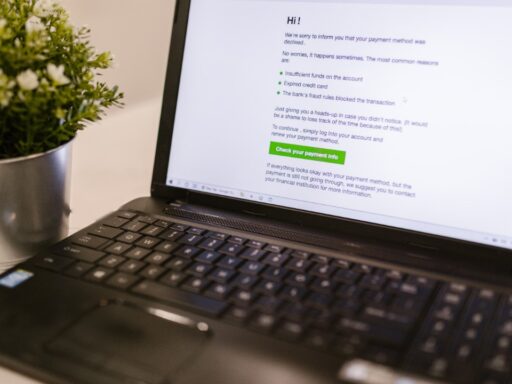
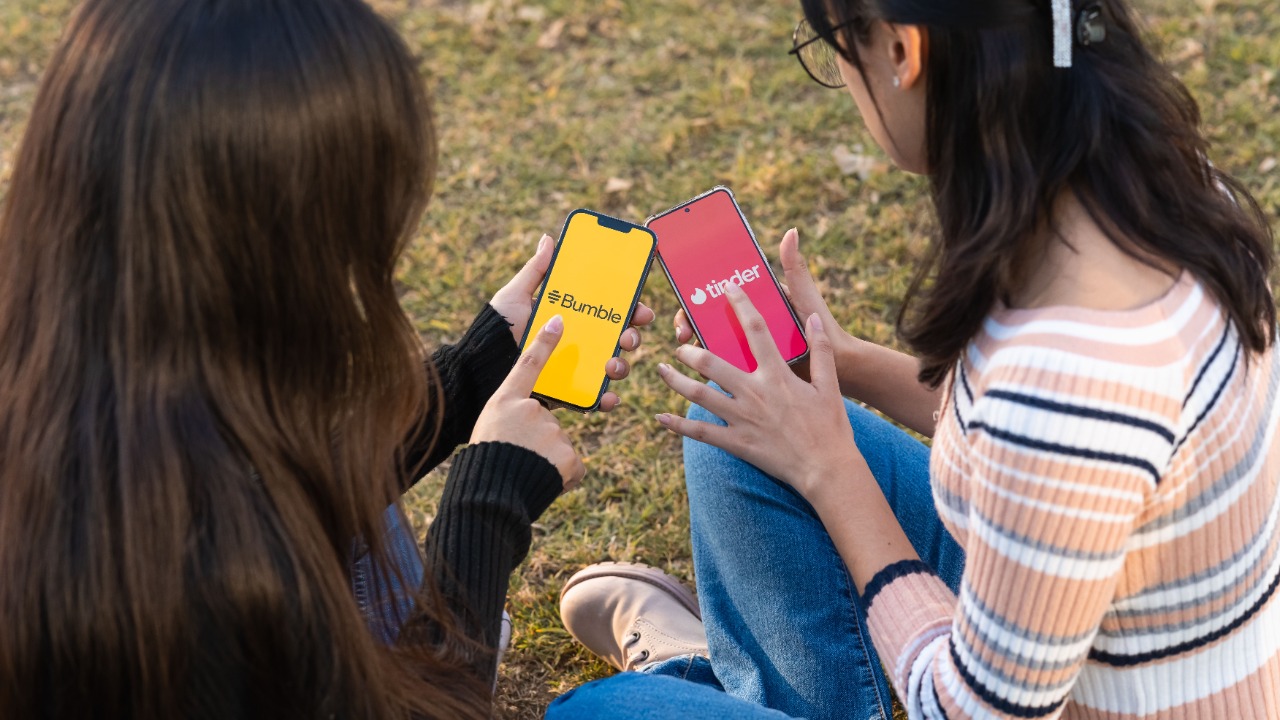

Romance fraud has moved far beyond fake profiles and stolen photos. Scammers on mainstream dating apps are now grooming victims specifically to send money through instant payment tools like Zelle, where transfers are typically irreversible and banks often refuse to reimburse. The result is a hybrid of emotional manipulation and financial engineering that leaves victims isolated, ashamed, and out thousands of dollars with little practical recourse.
How romance scams evolved into Zelle-fueled financial cons
Romance scams once followed a familiar script: a profile on Tinder, Bumble, Hinge, or Match, some flattering conversation, then a sudden emergency that required a wire transfer or gift cards. That pattern has shifted as fraudsters study how U.S. banks and payment networks now treat different types of transactions. Instead of asking for Western Union or prepaid cards, scammers are steering victims into instant bank-to-bank transfers that mimic legitimate person-to-person payments.
In the schemes described in recent reporting, criminals build a relationship over weeks or months, often claiming to be working overseas or traveling frequently, which helps explain why they cannot meet in person. Once trust is established, the conversation pivots from romance to money. The scammer might claim a temporary cash-flow issue, a business opportunity, or an urgent medical bill, then suggest that the safest and fastest way to help is through Zelle. Because Zelle is embedded in the mobile apps of major banks, the request feels more credible and less like a classic wire fraud pitch.
Victims are reassured that the transfer is “just between us” and framed as a sign of commitment. The scammer may walk them through the steps of adding a new Zelle recipient and sending a first “test” payment. Once that goes through, the amounts typically escalate. According to one detailed account of how romance scammers use, the fraudsters exploit the fact that Zelle transfers clear in minutes and cannot be reversed once the recipient’s bank has accepted them.
That irreversibility is the key shift. With gift cards, there is at least a chance that a retailer or card issuer can freeze funds if a victim reports quickly. With traditional wire transfers, banks sometimes intervene if fraud is suspected. Zelle payments, by contrast, are marketed as the digital equivalent of handing someone cash. Once a victim taps send and confirms the details, the money is usually gone for good.
Why instant Zelle transfers are so attractive to romance scammers
For scammers, Zelle solves several problems at once. It is fast, widely available through major banks, and framed in consumer marketing as a trusted way to pay friends and family. That makes it easier to persuade someone who is emotionally invested in a relationship to treat a stranger as if they were a long-term partner. The same design choices that make Zelle convenient for legitimate users, such as autofilling contacts and minimal confirmation screens, also reduce friction that might otherwise prompt second thoughts.
Another advantage for criminals is how liability is allocated. Under U.S. banking rules, customers are generally protected when a thief moves money out of their account without permission, such as with stolen credentials. In romance scams that use Zelle, however, the victim usually initiates the transfer themselves. Banks then classify the loss as an “authorized” payment, even if the customer was lied to about the purpose, and often deny reimbursement. Consumer advocates argue that this gap in protection effectively subsidizes fraudsters, who can script victims to approve the very transactions that drain their savings.
The emotional dynamics of romance scams make that scripting especially powerful. Victims are not just responding to a random request for cash. They have been groomed to see the scammer as a partner, sometimes with daily messages, shared photos, and even phone or video calls that appear to confirm the person’s identity. When the request for a Zelle transfer arrives, it is wrapped in flattery or urgency: a plane ticket to finally meet, a down payment on an apartment together, or a short-term loan until a supposed deal closes. The payment becomes proof of love rather than a financial decision.
Scammers also exploit how Zelle encourages users to rely on email addresses or phone numbers instead of full account details. That makes it harder for victims to trace where their money actually went or to understand that they are sending funds to a burner account controlled by a criminal network. By the time a victim realizes something is wrong, the account that received the money may already be emptied and closed.
Why this wave of Zelle-based romance fraud is hitting now
Several forces are converging to make this form of scam particularly damaging at the moment. First, the pandemic-era shift toward online relationships and digital payments normalized the idea that serious romantic connections can start on apps and that money can move instantly between individuals who have never met. Singles who might once have insisted on multiple in-person dates before trusting someone now accept long-distance or virtual-only relationships as part of modern dating culture.
At the same time, banks and payment companies have heavily promoted instant transfer tools as a replacement for cash and checks. Zelle, in particular, is positioned as a default feature inside the apps of participating banks, which gives it a veneer of institutional safety. That branding helps scammers frame their requests as normal. When a fraudster tells a victim to “just Zelle it,” the instruction sounds like a routine favor, not a high-risk wire to a stranger.
Economic stress also plays a role. People who are financially anxious may be more susceptible to pitches that blend romance with investment promises, such as joint crypto trading accounts or side businesses that require a quick infusion of cash. In some cases, the scammer claims to have inside knowledge of high-yield opportunities and urges the victim to send money via Zelle to fund a trade before a supposed deadline. Once the transfer is complete, the promised profits never materialize.
Regulatory and industry responses have lagged behind these tactics. While policymakers have pressed banks to address fraud on peer-to-peer platforms, there is still no uniform requirement that institutions refund customers who are tricked into sending money. That policy gap leaves victims in a gray zone, shuttling between their bank, the dating app, and law enforcement, each of which may acknowledge the harm but decline to take responsibility for the loss.
How platforms and banks are likely to respond next
The surge in romance scams that exploit instant payments is already prompting calls for change. Consumer advocates are pushing banks that participate in Zelle to expand their reimbursement policies so that customers who are deceived into sending money receive similar protection to those hit by account takeovers. Some institutions have begun experimenting with voluntary refunds in high-profile cases, but there is no consistent standard, and many victims are still denied.
On the product side, banks could add more friction to high-risk transfers without undermining the service for everyday use. For example, they might require extra confirmation when a customer sends a large Zelle payment to a new recipient, display clearer warnings about romance and investment scams, or introduce short delays that give fraud detection systems time to flag suspicious patterns. Dating apps, for their part, can strengthen tools that detect scripted messages and repeated scam narratives, and they can make it easier for users to report profiles that push off-platform payments.
Education will be a major part of any effective response. Clearer messaging that Zelle transfers function like cash, that banks may not refund authorized payments, and that genuine partners do not pressure each other for urgent money would help reset expectations. Public awareness campaigns that highlight real-world examples, including how scammers guide conversations from flirting to financial requests, can equip users to recognize red flags before money changes hands.