
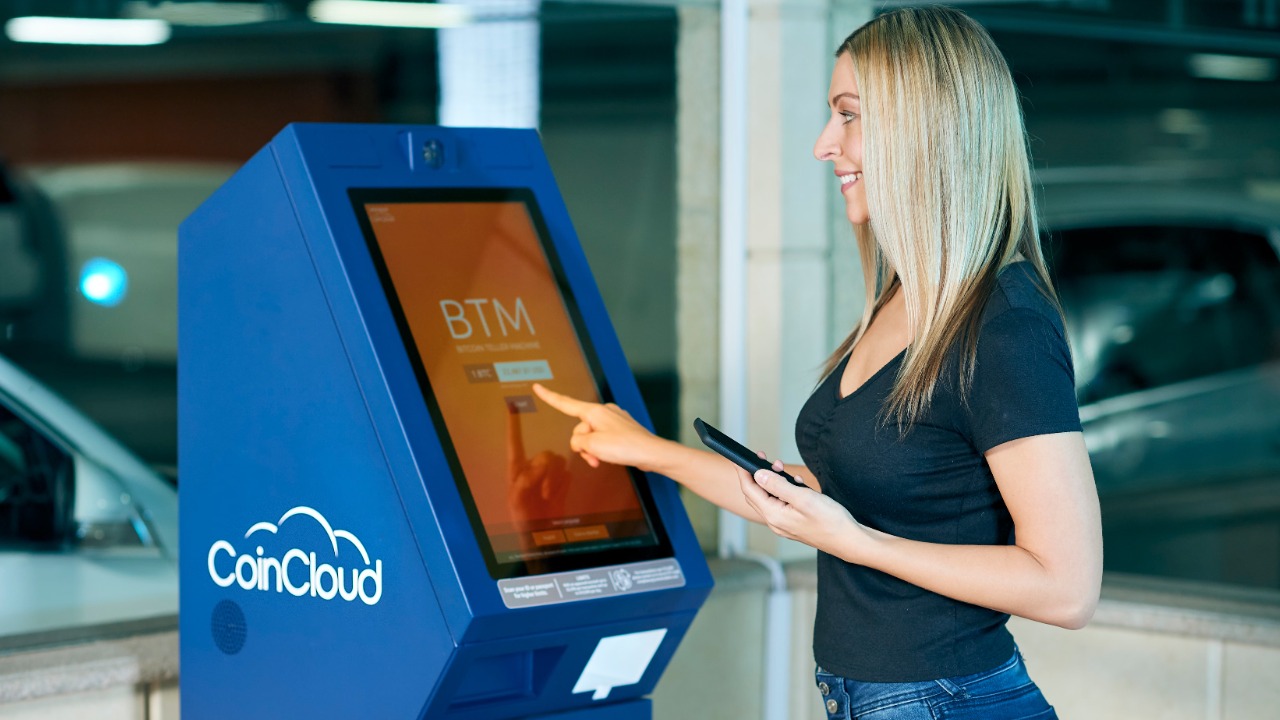

Crypto ATM scams have become one of the fastest-growing fraud threats in the United States, draining more than $388 million from Americans in 2025 and hitting older adults especially hard. The machines may look like ordinary ATMs, but scammers use them as a quick way to turn a victim’s cash into cryptocurrency and send it to a wallet the victim cannot control.
According to the FBI’s Internet Crime Complaint Center, Americans filed more than 13,400 complaints involving cryptocurrency kiosks in 2025, with reported losses exceeding $388 million. The FBI said complaints rose 23% from 2024, while reported losses jumped 58%. More than half of the complaints involved people over 50, and losses among that group topped $302 million.
The numbers show how quickly crypto kiosks have moved from a niche financial tool to a major fraud channel. Scammers have learned that once cash is converted into cryptocurrency and sent to a criminal-controlled wallet, recovery is extremely difficult. That speed is exactly what makes the scam so dangerous.
Why Crypto ATMs Are So Useful to Scammers
Crypto ATMs, also called cryptocurrency kiosks or Bitcoin ATMs, allow users to deposit cash and buy cryptocurrency. The machines are often placed in gas stations, convenience stores, liquor stores, supermarkets, malls, and other high-traffic locations. To many people, they look familiar because they resemble regular bank ATMs.
The difference is what happens after the deposit. A bank ATM usually connects to a regulated bank account. A crypto ATM can send digital assets directly to a crypto wallet. If a scammer convinces a victim to scan a QR code or enter a wallet address, the money can move quickly to the scammer’s account.
The Federal Trade Commission has warned that Bitcoin ATMs have become a payment portal for scammers. The FTC reported that losses involving Bitcoin ATMs have risen sharply in recent years and that older adults are especially likely to report losing money through these machines.
How the Scam Usually Starts
Most crypto ATM scams do not begin at the machine. They begin with a phone call, text message, email, pop-up alert, social media message, fake investment pitch, or romance scam. The scammer creates fear, urgency, or trust before sending the victim to a kiosk.
A common version starts with a fake warning that the victim’s bank account has been hacked. The scammer may pretend to be from a bank, the FBI, the FTC, the IRS, a local police department, a tech company, or a fraud department. They tell the victim that their money is at risk and must be moved immediately to a “safe” account.
Another version uses a fake arrest threat. The scammer may claim the victim missed jury duty, owes taxes, or has a warrant. In romance scams, the criminal builds emotional trust over weeks or months before requesting money through a crypto kiosk. In tech-support scams, a fake security alert tells the victim to call a number, and the person on the phone walks them through withdrawals and deposits.
Why Older Americans Are Losing So Much
Older adults are often targeted because criminals believe they may have savings, retirement funds, home equity, or access to larger cash withdrawals. Scammers also know that older victims may be more likely to answer phone calls from unknown numbers, trust official-sounding callers, or panic when threatened with legal trouble.
AARP reported that cryptocurrency kiosks were used in scams that caused more than $389 million in reported losses in 2025, and that adults 60 and older accounted for 76% of reported losses in cases where the victim’s age was known. AARP has also highlighted how scammers pressure older victims to stay on the phone, withdraw cash, and deposit it before family members, bank staff, or police can intervene.
The emotional pressure is often intense. Victims are told not to tell anyone. They may be warned that their children, spouse, bank, or local police are involved in a fake investigation. The goal is isolation. Once the victim is alone and afraid, the scammer directs every step.
Why the Average Loss Can Be So High
Crypto ATM scams often cause large losses because they involve cash withdrawals. Instead of stealing a small online payment, scammers may persuade victims to withdraw thousands or tens of thousands of dollars from a bank. Some victims make multiple trips to kiosks in a single day or over several days.
The FTC previously reported that the median loss to Bitcoin ATM scams in the first half of 2024 was about $10,000 across all ages. That figure helps explain why the total losses have climbed so quickly. A relatively small number of victims can lose very large amounts when scammers convince them to empty savings accounts, sell investments, or borrow money.
These losses are devastating because they often represent retirement savings, emergency funds, or money needed for housing, healthcare, and family support. For older victims, recovering financially can be especially difficult.
The Scam Script Is Designed to Block Common Sense
Crypto ATM scammers often use highly controlled scripts. They keep victims on the phone for hours, tell them what to say at the bank, warn them not to talk to store employees, and give them exact instructions for using the kiosk. They may even tell victims to lie about why they are withdrawing money.
This is not random. It is psychological manipulation. The scammer wants to prevent outside intervention. A bank teller, family member, store clerk, or police officer might recognize the scam and stop the transaction. That is why scammers try to keep the victim isolated and moving quickly.
The FBI warns that cryptocurrency transactions can be difficult to reverse and that criminals often use urgency and pressure to force quick decisions. Once funds are sent to a scammer’s wallet, the victim may have little chance of getting the money back.
Why Recovery Is So Difficult
Traditional bank fraud sometimes leaves a trail that can be paused, reversed, or investigated through financial institutions. Crypto transactions work differently. Once cryptocurrency is sent to a wallet, it can move quickly across accounts, exchanges, and borders.
Blockchain transactions may be traceable in theory, but tracing does not guarantee recovery. Criminals can move funds through multiple wallets, mixers, overseas platforms, or exchanges that do not cooperate with U.S. authorities. By the time the victim realizes what happened, the money may be gone.
This is why prevention is so important. The best protection is stopping the deposit before it happens.
States Are Moving to Regulate or Ban Crypto ATMs
As losses grow, states are taking stronger action. Some have passed laws requiring warnings, transaction limits, registration, licensing, refunds, or fraud-prevention controls. Others have moved toward stricter restrictions or bans.
AARP reported that states are increasingly targeting crypto ATM fraud through consumer-protection laws, and that Indiana became the first state to enact a statewide ban on the machines. Other states have introduced limits to slow high-dollar transactions and give victims more time to recognize a scam.
These rules are controversial. Crypto ATM operators argue that the machines have legitimate uses and that banning them punishes lawful customers. Consumer advocates argue that the fraud problem is too large and that the current system allows criminals to exploit vulnerable people.
Why Warning Signs at Kiosks May Not Be Enough
Many crypto ATMs now display scam warnings. Some ask users to confirm that they are not being directed by someone else. Others provide hotline numbers or fraud alerts. These warnings can help, but they may not stop a victim who is terrified, manipulated, or being coached by a scammer in real time.
A warning screen is easy to ignore when a caller is shouting that the victim will be arrested, lose their savings, or put a loved one in danger. That is why transaction delays, lower limits, staff training, and stronger identity checks may be more effective than warnings alone.
Store owners also have a role. If employees see an older customer feeding large amounts of cash into a kiosk while on the phone, that can be a red flag. Some frauds have been stopped because a clerk, banker, police officer, or family member noticed something wrong.
The Most Common Red Flags
The strongest warning sign is simple: no legitimate government agency, bank, police department, tech company, utility, or business will tell someone to protect money by depositing cash into a crypto ATM. That request is almost certainly a scam.
Another red flag is secrecy. If a caller says not to tell family, bank staff, store employees, or police, the person is trying to isolate the victim. Real investigators do not require victims to hide financial transactions from trusted people.
Urgency is also a major clue. Scammers create deadlines because they do not want victims to think. They may say the account will be frozen, a warrant will be issued, a loved one will be arrested, or a prize will disappear. Real institutions do not demand immediate crypto payments through kiosks.
What Families Should Tell Older Relatives
Families should talk openly about crypto ATM scams before a crisis happens. The conversation should not shame older adults or make them feel foolish. Scammers are professional manipulators, and many victims are intelligent, careful people who were caught during a moment of fear.
A useful family rule is that no one should move money because of an urgent phone call without first calling a trusted relative, bank, or local police department using a verified number. Another rule is that any request involving gift cards, crypto kiosks, wire transfers, or cash courier pickups should be treated as a scam until proven otherwise.
The FTC’s scam reporting site allows consumers to report fraud, while the FBI’s IC3 complaint portal collects reports of internet-enabled crimes. Reporting may not guarantee recovery, but it helps law enforcement track patterns and warn others.
What Banks and Stores Can Do
Banks can help by training staff to recognize unusual cash withdrawals, especially by older customers who appear nervous, rushed, or coached by someone on the phone. Some banks already ask questions when customers withdraw large sums, but scammers often prepare victims with fake answers.
Stores that host crypto ATMs can also train employees to recognize warning signs. A customer repeatedly feeding large bills into a machine while following instructions on a phone should raise concern. Store staff should not physically intervene in risky ways, but they can offer help, point to scam warnings, or call local authorities if someone appears to be in danger.
Kiosk operators can improve fraud controls by using stronger transaction monitoring, lower first-time limits, cooling-off periods, refund mechanisms, and live fraud-support checks for suspicious transactions. The technology exists. The question is whether the industry will be required to use it.
What Victims Should Do After a Crypto ATM Scam
If someone has sent money through a crypto ATM scam, they should act quickly. They should contact the kiosk operator immediately, report the transaction, and ask whether the transfer can be paused. They should also notify their bank if withdrawals were involved, file a report with local police, report the fraud to the FTC, and submit a complaint to IC3.
Victims should also watch out for recovery scams. After someone loses money, another scammer may claim they can recover the funds for a fee. This is often a second fraud. Legitimate law enforcement agencies do not require upfront crypto payments to recover stolen funds.
Victims should not stay silent out of embarrassment. Reporting quickly may help investigators connect cases, identify wallets, pressure operators, and warn others.
Why This Scam Is Likely to Keep Growing
Crypto ATM scams are growing because they combine several things criminals like: cash deposits, fast transfers, limited reversibility, fear-based scripts, and easy access to machines in everyday locations. The victim does not need to understand cryptocurrency. The scammer gives step-by-step instructions.
As long as kiosks remain widely available and large transactions can happen quickly, criminals will keep using them. Artificial intelligence may make the problem worse by helping scammers create more convincing voices, messages, fake documents, and impersonation scripts.
The solution will likely require a mix of public education, stronger regulation, better kiosk controls, bank intervention, family awareness, and faster law-enforcement reporting.
Final Takeaway
Crypto ATM scams cost Americans more than $388 million in 2025, with older adults bearing much of the damage. FBI data shows more than 13,400 complaints involving cryptocurrency kiosks, a 23% increase in complaints and a 58% increase in losses from the previous year. People over 50 accounted for more than half of the complaints and more than $302 million in losses.
The scam works because criminals create panic, isolate the victim, and direct them to deposit cash into a crypto kiosk. Once the money is converted and sent to a scammer’s wallet, recovery is extremely difficult.
The safest rule is clear. If anyone tells you to use a crypto ATM to pay a bill, protect your money, avoid arrest, fix a hacked account, help a loved one, claim a prize, or resolve an emergency, it is almost certainly a scam. Stop, hang up, call someone you trust, and report the fraud before any cash goes into the machine.