
Canada has just taken a concrete step from nuclear theory to steel-and-concrete reality by lowering the main vessel of a small modular reactor into place at an existing power station. The grid-scale unit is designed to generate enough electricity for about 300,000 homes, turning a long-discussed technology into a centerpiece of the country’s clean power ambitions. For the wider West, it is the first project of its kind to reach this stage, and it is already reshaping debates over how to decarbonize without sacrificing reliability.
How Ontario’s first small modular reactor reached the construction milestone
The project that just crossed this milestone is located at the Darlington nuclear site in Ontario, where utility Ontario Power Generation is building a small modular reactor based on the BWRX-300 design. Construction has advanced to the point that crews have lowered the primary reactor vessel, an operation that involved positioning an approximately 100 ton component into a prepared containment structure with millimeter-level precision. Images from the project show the cylindrical steel vessel being guided into a deep excavation lined with reinforced concrete and heavy rebar cages, illustrating the scale of the engineering involved in what some reports describe as a hole large enough to receive an eight story structure weighing hundreds of tons, as detailed in coverage of the reactor cavity.
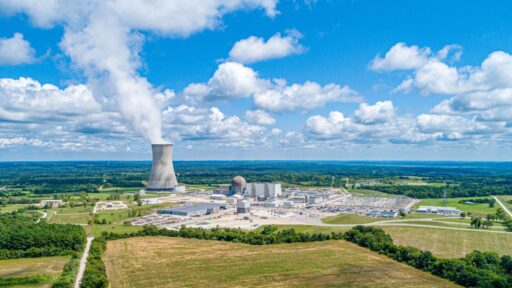
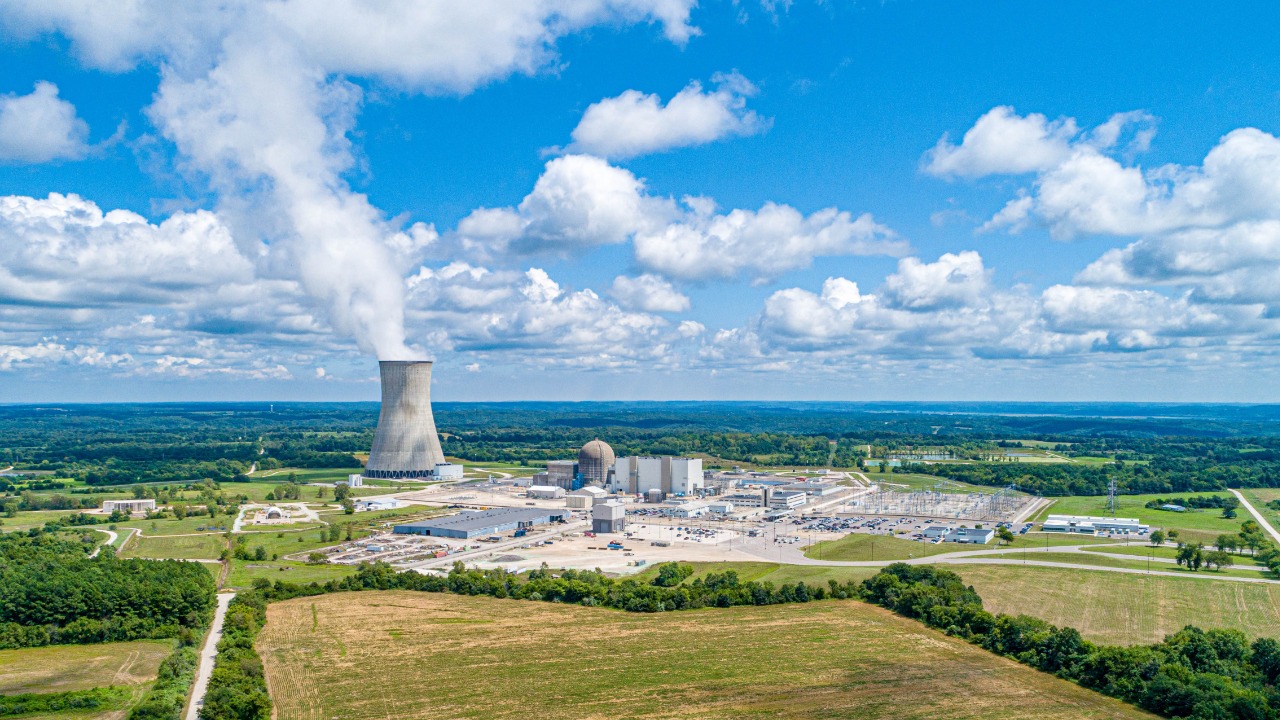
The Darlington site was selected in part because it already hosts large CANDU reactors and has the grid connections, security perimeter, and nuclear workforce that a new unit requires. Earlier planning work included site preparation, regulatory licensing, and detailed design reviews that allowed the project to move into full construction. By the time the vessel was ready to be installed, the surrounding infrastructure for cooling, containment, and auxiliary systems had already begun to rise around the excavation, so the lowering of the vessel marked a visible shift from civil works to nuclear assembly.
Project backers describe the unit as the first grid-scale small modular reactor in a Western country, a status that reflects both its size and its role on the Ontario grid. The single module is designed to deliver roughly 300 megawatts of electric output, which at typical capacity factors translates into electricity for about 300,000 homes. Reporting on the project notes that Canada is building the West’s such small modular reactor intended for regular grid service rather than for research or remote microgrids.
Why Canada’s grid-scale SMR matters for climate and energy security
For Ontario, the Darlington small modular reactor is a cornerstone of a broader strategy to maintain a low carbon grid as electricity demand rises. The province already relies heavily on nuclear power, which supplies a large share of its electricity without direct greenhouse gas emissions. As electric vehicles, data centers, and electrified industry add new loads, planners expect demand to grow significantly over the coming decades. A single 300 megawatt unit will not meet that growth on its own, but it serves as a template that can be replicated to add clean capacity in increments that are easier to finance and integrate than traditional gigawatt scale reactors.
Provincial leaders have framed the project as a way to keep Ontario ahead of other advanced economies on nuclear innovation. One analysis describes how Ontario leads the by moving first on a commercial small modular reactor, positioning local firms and workers to export expertise as other jurisdictions pursue similar projects. That leadership narrative is also aimed at investors, who are being encouraged to see the province as a stable place for energy intensive industries that want low carbon power.
At the national level, the project fits into Canada’s pledge to reduce emissions while keeping electricity reliable and affordable. Federal policymakers have highlighted small modular reactors as one of several tools, alongside wind, solar, hydro, and storage, that can help decarbonize grids and heavy industry. The Darlington unit is intended to show that nuclear can be built in a more standardized way, with factory manufactured modules and simpler construction sequences that reduce costs and schedule risk compared with older designs.
For other Western countries, the significance is both symbolic and practical. Symbolically, a working construction site with a reactor vessel in place offers a counterpoint to years of canceled or delayed nuclear projects. On a practical level, utilities and regulators in the United States, the United Kingdom, and parts of Europe are watching to see whether the project can stay on budget, meet safety and regulatory expectations, and integrate smoothly with the existing grid. If it succeeds, it could strengthen the case for similar units as part of a diversified clean energy mix.
What the project reveals about small modular reactor technology
The Darlington unit illustrates how small modular reactors differ from conventional nuclear plants. The BWRX-300 design is a boiling water reactor that uses light water as both coolant and moderator, a familiar technology, but it scales the plant down and simplifies the systems. Many components are designed to be manufactured in factories and shipped to the site, which can reduce on site labor and improve quality control. The smaller reactor core and passive safety systems are intended to limit the consequences of potential accidents, relying on gravity and natural circulation rather than complex active equipment for some safety functions.
Supporters argue that these features make small modular reactors more suitable for a world that needs both clean energy and flexible deployment. A 300 megawatt unit can be added to an existing site without overwhelming local grids, and multiple modules can be added over time. The smaller footprint also opens possibilities for colocating reactors with industrial facilities that need both electricity and process heat, such as hydrogen production or mining operations.
Critics, however, question whether the promised cost reductions will materialize once the first units move beyond prototypes. Nuclear projects have a long history of optimistic schedules that slip as construction proceeds. The Darlington project will serve as a test case for whether modularization and design simplification can overcome those patterns. Environmental groups also remain concerned about long term waste management and the potential for cost overruns to divert resources from renewables and storage.
How the milestone is shaping politics, jobs, and public opinion
Politically, the successful lowering of the reactor vessel gives both provincial and federal leaders a tangible example of progress on energy infrastructure. Visual milestones matter in public communication, and photos of a massive steel cylinder suspended over a reactor cavity are easier to explain than licensing hearings or engineering studies. Supporters have already begun to use the event as evidence that Canada is serious about nuclear innovation and climate commitments.
The project also carries local economic significance. Construction of the small modular reactor has created jobs for skilled trades, engineers, and project managers, and it supports a supply chain that includes manufacturers of heavy components, control systems, and specialized materials. As the unit moves toward commissioning, attention will shift to the long term operating workforce, which will include reactor operators, maintenance personnel, and safety specialists. The experience gained at Darlington is expected to feed into training programs for future projects in Ontario and potentially in other provinces.
Public opinion on nuclear power in Canada has been mixed, but the framing of small modular reactors as tools for climate action and economic development has helped win support in some communities. The fact that the first grid scale unit is being built at an existing nuclear site, rather than in a new location, has also reduced some local concerns about new land use or unfamiliar risks. Coverage of the milestone in mainstream outlets, including reports that highlight the 300,000 figure, has reinforced the message that the project is about practical energy supply rather than abstract technology demonstrations.