
If YouTube is the first platform that comes to mind when someone says “video-sharing website,” China has its own very different answer:
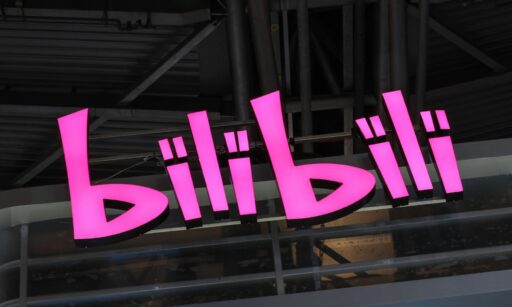
Bilibili.
Often called B站, or “B Site,” Bilibili is one of China’s largest and most influential online video communities. It began as a niche website for anime, comics, and gaming fans, but it has grown into a broad entertainment and creator platform covering technology, education, music, lifestyle, gaming, documentaries, livestreaming, short videos, and much more.
That makes calling Bilibili “China’s YouTube” useful—but incomplete.
YouTube is primarily a global video platform.
Bilibili behaves more like a combination of YouTube, Twitch, Reddit-style interest communities, anime streaming, short-form video, and creator culture, all wrapped inside one distinctly Chinese internet ecosystem.
And by the end of 2025, Bilibili reported around 366 million monthly active users and 113 million daily active users, with users spending an average of about 107 minutes per day on the platform.
So what makes Bilibili different, and why has it become such an important platform in China?
What Is Bilibili?
Bilibili is a Chinese online video and entertainment platform founded in June 2009.
It was officially renamed Bilibili in January 2010 and initially built its identity around ACG culture—anime, comics, and games.
Over time, the audience expanded.
Today, users can find content covering:
Technology.
Science.
Gaming.
Anime.
Music.
Fashion.
Education.
Photography.
Food.
Travel.
Cars.
Movies.
Lifestyle.
Business.
Live broadcasting.
Short-form video.
Bilibili itself describes the service as a full-spectrum online entertainment and video community rather than simply an anime website.
That transition is one reason people outside China sometimes misunderstand the platform.
Someone who remembers Bilibili from its early anime-focused years may imagine a niche fandom website.
Modern Bilibili is far broader.
You can explore the platform directly through Bilibili’s official website.
Why Is It Called Bilibili?
The name has roots in Japanese anime culture.
Bilibili’s early community was heavily influenced by anime fandom, particularly A Certain Scientific Railgun. The name became associated with the character Mikoto Misaka and the electrical sound effects linked to her abilities.
That origin reflects what Bilibili was originally built for:
A deeply engaged anime and gaming community.
But the platform gradually became mainstream enough that many Chinese users now simply call it:
B站 — B Site.
Bilibili itself uses that nickname in its official company material.
For younger Chinese internet users, saying “I saw it on B站” can be as natural as saying “I saw it on YouTube.”
Bilibili’s Most Famous Feature Is “Bullet Chat”
This is the feature that immediately makes Bilibili look different from YouTube.
Comments can appear directly across the video while it plays.
They fly horizontally across the screen.
This system is commonly called danmu, or “bullet comments.”
Bilibili describes bullet chat as one of the defining features of the platform, allowing viewers to post comments that appear over the video in real time relative to the content.
Imagine watching a movie scene where something unexpected happens.
Instead of scrolling beneath the video afterward, hundreds of reactions may suddenly move across the screen at the exact moment the event occurs.
Someone writes:
“Look behind him!”
Another writes:
“I knew this was coming.”
Another sends a joke.
Thousands of people may have watched the video at different times, yet the synchronized comments create the feeling that everyone is watching together.
That is one of Bilibili’s strongest community effects.
Bullet Comments Make Watching Feel Social
Ordinary comment sections are asynchronous.
Watch video.
Finish video.
Scroll downward.
Read comments.
Danmu changes the timing.
The conversation becomes part of the viewing experience itself.
That can transform an ordinary video into something closer to a shared screening.
A funny scene becomes funnier because reactions arrive simultaneously.
A gaming mistake triggers dozens of comments instantly.
A difficult educational explanation might produce comments from viewers helping one another.
The system can become chaotic, of course.
Someone who wants a clean viewing experience can find hundreds of moving comments distracting.
Fortunately, users can generally disable or adjust them.
But for many Bilibili users, removing danmu makes the platform feel strangely empty.
It is not merely a comment feature.
It is part of the culture.
Bilibili Creators Are Called “UP主”
YouTube has YouTubers.
Bilibili commonly refers to creators as UP主, pronounced roughly “up-zhu.”
The term comes from the idea of someone who uploads content.
Creators publish what Bilibili calls Professional User Generated Video, or PUGV.
This creator-generated ecosystem sits at the center of the platform. Bilibili says professional user-generated video covers thousands of categories and interest groups, including lifestyle, gaming, technology, knowledge, fashion, and music.
That is another important difference from assuming Bilibili is mainly licensed anime.
Anime helped build the audience.
Creators helped turn Bilibili into a broader cultural platform.
Bilibili Is Surprisingly Strong for Educational Content
This may surprise anyone who thinks the platform is simply entertainment.
Bilibili has become a major destination for Chinese-language educational and technical content.
Search for:
Programming.
Artificial intelligence.
Mathematics.
Physics.
Engineering.
Photography.
Video editing.
History.
Language learning.
Finance.
Software tutorials.
And you can find long, detailed creator videos.
Bilibili’s own company information specifically identifies tech and knowledge as major content categories.
That has given the platform an informal reputation among some users as a kind of online library.
Bilibili’s Chinese “About Us” page even notes that users sometimes describe it as an “encyclopedic website” and a “library without walls.”
That description captures something important.
Bilibili can be entertaining and extremely educational at the same time.
Long-Form Content Still Matters on Bilibili
Much of the global social-media industry has moved toward shorter videos.
TikTok.
Instagram Reels.
YouTube Shorts.
Bilibili supports short-form content too, including a mobile Story Mode, but long-form creator videos remain important to its identity.
That makes the platform particularly interesting in an era where every service seems to be chasing 20-second clips.
A Bilibili creator can still publish:
A 30-minute documentary.
A two-hour game analysis.
A detailed engineering tutorial.
A long technology review.
A university-style lecture.
That creates deeper creator-audience relationships than purely short-form platforms often allow.
Is Bilibili Just YouTube With Chinese Users?
Not really.
The comparison is useful because both platforms revolve around user-uploaded video.
But Bilibili has several characteristics that make it structurally different.
YouTube feels like an enormous global video search and recommendation engine.
Bilibili historically feels more community-centered.
Interest groups matter.
Creator identity matters.
Danmu matters.
Anime and gaming culture remain deeply embedded.
Users often interact through shared jokes, references, memes, and platform-specific language.
That creates a stronger sense of belonging within certain communities.
This is why someone can technically watch the same kind of technology review on YouTube and Bilibili yet experience two very different online cultures.
Bilibili Has Live Streaming Too
Bilibili is not limited to uploaded video.
It operates a substantial livestreaming platform covering gaming, entertainment, music, art, and other categories.
The company launched live broadcasting in 2015.
Today, Bilibili provides dedicated livestreaming tools for Windows, Mac, and mobile users, including support for gaming streams and high-resolution broadcasting.
You can explore the livestreaming side through Bilibili Live.
This puts Bilibili into competition not only with YouTube but also with platforms such as Twitch and Douyu.
Creators can broadcast games, talk with fans, perform music, draw, or simply chat.
That makes livestreaming another major part of Bilibili’s creator economy.
Gaming Is Central to Bilibili
Gaming has been part of Bilibili from the beginning.
Users watch:
Game reviews.
Walkthroughs.
Esports.
Speedruns.
Commentary.
Guides.
Livestreams.
Gaming news.
Bilibili also operates game-related businesses itself.
Its official company history notes that it moved into mobile games in 2014 and later launched major titles in China, including Fate/Grand Order.
The company has also invested strategically in esports and related entertainment categories.
That combination makes Bilibili unusual.
It is simultaneously:
A gaming-media platform.
A creator platform.
A livestreaming service.
And a participant in the game business itself.
Anime Is Still Part of Bilibili’s DNA
Even after expanding into countless new categories, Bilibili has not abandoned anime.
Licensed animation remains one of its major content areas.
The platform historically became one of the main places for Chinese viewers to follow Japanese anime and broader ACG culture.
That community created many of the traditions that still distinguish Bilibili today.
Danmu.
Fan edits.
Remixes.
Character culture.
Virtual idols.
Gaming fandom.
The modern platform may contain technology lectures and business videos, but its cultural foundations remain visible.
That is part of what prevents Bilibili from feeling like a generic video website.
Bilibili Also Offers Premium Membership
Like many major video platforms, Bilibili combines free viewing with paid services.
Its broader commercial ecosystem includes:
Premium membership.
Live broadcasting.
Mobile games.
Advertising.
Comics.
E-commerce.
Paid content.
Bilibili explicitly lists these as parts of its business model.
Premium membership can provide access to selected licensed content and additional viewing benefits depending on the service and region.
That means Bilibili earns money from far more than advertising.
It is a diversified entertainment business built around the community.
How Does Bilibili Make Money?
Bilibili has several major revenue streams.
Advertising is one.
Gaming is another.
Value-added services such as livestreaming and premium memberships also matter.
E-commerce and other services contribute as well.
This diversification has become increasingly important as the company has matured.
In March 2026, Bilibili reported RMB 30.35 billion in total 2025 revenue, up 13% year over year, and said it achieved its first full year of profitability on an adjusted basis.
That was a major milestone.
Like many technology platforms, Bilibili spent years prioritizing user growth and ecosystem expansion.
Turning that enormous audience into a sustainably profitable business was a separate challenge.
Bilibili Had 366 Million Monthly Users by Late 2025
The platform is enormous.
Bilibili reported that during the fourth quarter of 2025:
Monthly active users reached 366 million.
Daily active users reached 113 million.
Average daily usage reached 107 minutes.
Those figures show why brands, creators, and international businesses pay attention to the platform.
This is not a small anime community anymore.
It is one of China’s major consumer internet platforms.
Perhaps even more valuable commercially is the composition of its audience.
Bilibili has historically been particularly strong among younger Chinese users.
That gives it enormous influence over trends, technology, entertainment, gaming, and consumer culture.
Why Is Bilibili Important for Brands?
Suppose a foreign company wants to reach younger Chinese consumers.
Where should it publish content?
Traditional advertising may help.
But platforms like Bilibili offer something different:
Creator-driven trust.
A product can appear in:
Reviews.
Tutorials.
Comparisons.
Unboxing videos.
Educational content.
Livestreams.
Creator collaborations.
That can work particularly well for products requiring explanation.
Electronics.
Gaming hardware.
Cameras.
Software.
Technical equipment.
Cars.
Beauty products.
International lifestyle brands.
Someone searching for a detailed product explanation may spend 20 minutes watching a trusted UP主.
That can influence purchase decisions far more than a six-second banner advertisement.
Bilibili Can Be Particularly Valuable for B2B and Technical Brands
This part is often overlooked.
Because Bilibili has a strong technology and knowledge community, it can be useful even for companies that do not sell fashionable consumer products.
Imagine a manufacturer selling:
LED lighting.
Industrial equipment.
Electronics.
Manufacturing machinery.
Engineering products.
Software.
AI tools.
Instead of posting only advertisements, the company can publish useful educational content.
For example:
How an LED driver works.
COB vs. SMD LED technology.
How factories test waterproof lighting.
How a CNC machine is calibrated.
How industrial quality control works.
Users interested in the technology discover the educational video first.
The brand gets exposure second.
That is often a much stronger content strategy.
Foreign Creators Can Publish on Bilibili
Bilibili has actively promoted services for international creators.
Its global creator platform advertises tools including automatic Chinese subtitle generation, content distribution, bullet-chat interaction, and monetization options.
You can explore its international creator portal through Bilibili Studio.
That means international creators do not necessarily need to rebuild everything from zero.
Existing videos can potentially be localized.
A technology YouTuber could translate videos.
A manufacturer could publish factory tours.
An artist could reach Chinese fans.
A musician could upload performances.
The key challenge is localization.
Simply uploading an English YouTube video and expecting it to perform well is rarely the best strategy.
Translation Alone Is Not Enough
Chinese audiences have their own expectations.
Titles need localization.
Thumbnails need localization.
References may need explanation.
Video pacing can differ.
Cultural humor does not always translate.
The comment culture is different.
Creators may also need to engage in Chinese-language discussion below the video.
That means the strongest Bilibili strategy is usually not:
Translate English words into Chinese.
It is:
Adapt the content for Chinese viewers.
Those are very different things.
Bilibili Search Can Have Long-Term Value
Short-video platforms are extremely good at generating rapid reach.
But content can disappear from feeds almost immediately.
Bilibili’s longer-form videos can have more durable search value.
Someone can discover an educational video months or even years after publication.
This makes the platform potentially useful for evergreen content.
A good tutorial about:
Camera settings.
Programming.
Lighting installation.
Mechanical repair.
Software.
Engineering.
can continue attracting viewers long after launch.
That makes Bilibili closer to YouTube than TikTok in terms of long-term content strategy.
Bilibili Is Listed in Both the U.S. and Hong Kong
Bilibili is also a publicly traded company.
It listed on the Nasdaq in March 2018 and completed a secondary listing on the Hong Kong Stock Exchange in March 2021.
Its U.S. ticker is:
BILI
That gives investors unusual visibility into the financial performance of the platform.
Bilibili regularly publishes financial reports detailing user growth, revenue, advertising, gaming, and profitability through its investor relations website.
For anyone researching China’s creator economy, those reports can provide valuable insight beyond ordinary social-media statistics.
Can People Outside China Use Bilibili?
Yes, although the experience varies.
The website can be accessed internationally, and Bilibili has made efforts to reach global audiences and creators.
However, some licensed content may be geographically restricted because streaming rights differ between countries.
Chinese language remains dominant across much of the platform.
Account verification and certain creator or livestreaming features can also be more complicated for international users.
So someone outside China can absolutely explore Bilibili.
But the platform is still fundamentally built around the Chinese internet market.
Is Bilibili Available in English?
Parts of Bilibili’s corporate and creator infrastructure provide English-language information.
The main consumer platform, however, remains heavily Chinese.
International visitors using a browser can rely on built-in translation tools for navigation.
Videos themselves vary.
Some creators provide English subtitles.
Others provide only Chinese.
For non-Chinese speakers, the language barrier remains one of the biggest obstacles to exploring Bilibili deeply.
Ironically, that also creates an opportunity for international creators capable of producing well-localized bilingual content.
Is Bilibili Free?
Much of Bilibili is free to use.
Users can watch large amounts of creator content without paying.
However, certain licensed entertainment content, premium viewing features, or membership benefits can require payment.
Livestreaming also includes virtual gifts and other monetization features.
So the basic model resembles many modern entertainment platforms:
Free entry.
Optional paid layers.
That makes it easy for new users to explore before deciding whether premium services matter to them.
How Is Bilibili Different From TikTok and Douyin?
TikTok and China’s Douyin are primarily built around rapid short-form discovery.
Swipe.
Watch.
Swipe.
Watch.
Bilibili can support short-form consumption too, but its culture remains much more comfortable with long videos and creator communities.
A 45-minute technology analysis feels normal.
A detailed game review feels normal.
A university-style lecture feels normal.
That makes user intent different.
Someone opens Douyin partly to be entertained by whatever comes next.
Someone may open Bilibili specifically to learn deeply about a particular subject.
Those are different engagement patterns.
How Is Bilibili Different From Youku or iQIYI?
Platforms such as iQIYI and Youku are more comparable to streaming services centered around professionally produced TV shows, dramas, movies, and licensed entertainment.
Bilibili also carries licensed professional content.
But its creator ecosystem plays a much larger role in its identity.
That places Bilibili somewhere between:
YouTube.
Streaming television.
Livestreaming.
Fan community.
Short-form media.
It does not fit perfectly into one Western comparison.
Why Bilibili Matters Beyond China
Bilibili provides an interesting example of how online video could develop differently from the Western internet.
YouTube built its culture around creators, subscriptions, search, and comments.
TikTok built around algorithmic short-video feeds.
Twitch built around livestreaming.
Reddit built around communities.
Bilibili combines elements from all of them while adding something distinctive through danmu culture.
That makes it valuable not only as a Chinese technology company but as an alternative model for online communities.
It asks:
What if watching a video felt like joining a crowd rather than consuming content alone?
That concept helped define Bilibili from the beginning.
Should International Brands Pay Attention to Bilibili?
If China is an important market, absolutely.
Particularly if the brand targets:
Gen Z.
Technology enthusiasts.
Gamers.
Students.
Creators.
Anime audiences.
Lifestyle buyers.
Engineers.
Knowledge-driven consumers.
Bilibili’s enormous young audience and strong educational culture make it different from platforms built primarily around quick entertainment.
The strongest approach, however, is not simply creating another corporate social account.
Brands should behave like creators.
Teach something.
Show how products work.
Give factory access.
Explain technology.
Compare alternatives.
Answer practical questions.
Collaborate with credible UP主.
Bilibili rewards content people genuinely want to watch.
That is a more demanding strategy than buying display ads.
It can also create much deeper trust.
Bilibili Is No Longer Just “China’s Anime Website”
That may be the biggest misconception to correct.
Bilibili certainly grew from anime, comics, and gaming culture.
Those roots remain important.
But modern Bilibili has become a full-spectrum video community with hundreds of millions of monthly users, enormous creator ecosystems, livestreaming, gaming, premium content, advertising, e-commerce, and educational media.
Calling it “Chinese YouTube” gets someone halfway there.
The rest requires understanding its culture.
YouTube gives viewers videos.
Bilibili tries to give viewers a community around the video.
That difference is most obvious when thousands of danmu comments suddenly fly across the screen at exactly the same moment.
For outsiders, it can look chaotic.
For longtime Bilibili users, that chaos is part of what makes the platform feel alive.
And with 366 million monthly active users by the end of 2025, it is increasingly difficult for anyone studying China’s internet, creator economy, or youth culture to ignore.