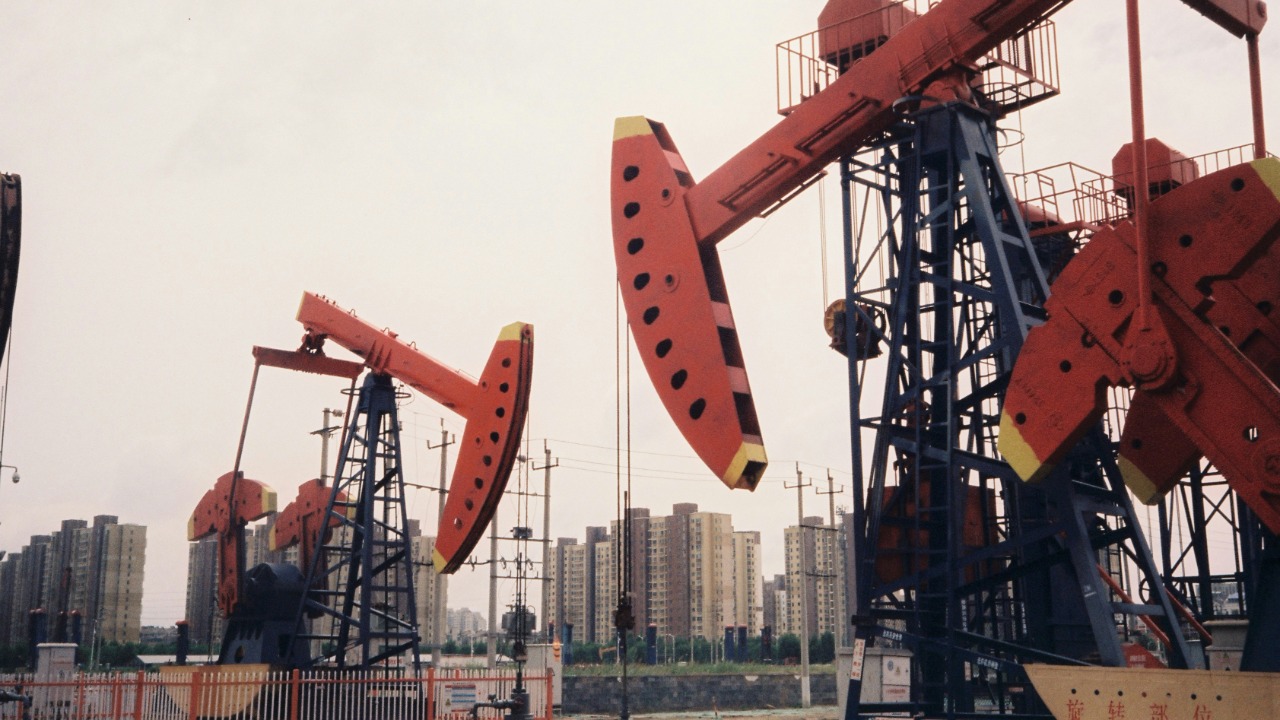

America’s largest oil companies are reporting extraordinary profits as the US-Iran war disrupts global energy supplies. For President Donald Trump, however, those earnings are becoming increasingly difficult to celebrate.
ExxonMobil reported second-quarter profits of $14.53 billion, twice its result from the same period a year earlier. Chevron earned $12.07 billion, nearly four times its previous-year profit. Together, the two companies generated more than $26 billion in quarterly earnings while American drivers faced gasoline prices above $4 per gallon.
Trump has responded by publicly accusing both companies of making “too much money” and demanding that they reduce consumer fuel prices. The criticism marks an unusual break between a president who has strongly supported the fossil fuel industry and companies benefiting from the energy policies and geopolitical conditions his administration helped create. Reuters reported that Trump called on Exxon and Chevron to return some of their gains to the public.
The Iran War Transformed the Global Oil Market
The conflict, which began in late February, severely disrupted petroleum transportation through the Strait of Hormuz. Before the fighting, approximately one-fifth of the world’s oil and natural gas passed through the narrow shipping route connecting the Persian Gulf with international markets.
As shipments became restricted, Brent crude climbed from an average of $69.82 per barrel in January to $126.41 in April. West Texas Intermediate rose from $65.17 to $109.64 over the same period. The increases gave producers substantially more revenue for every barrel they sold.
Oil companies did not create the military conflict or independently determine global crude prices. Those prices are influenced by worldwide supply, demand, inventories, transportation capacity and traders’ expectations about future availability. Nevertheless, companies with reliable production and access to functioning refineries became major financial beneficiaries of the disruption.
The contrast has become politically damaging. Energy companies are producing their strongest results in years while consumers pay more for gasoline, diesel, flights, deliveries and goods transported by road.
Refining Profits Added to the Windfall
Higher crude prices were only part of the earnings surge. Refining margins also expanded because some refineries outside the United States struggled to secure enough crude oil following the disruption to Middle Eastern shipments.
American facilities with stable supplies were able to process large volumes of gasoline, diesel and jet fuel while global fuel availability remained constrained. Exxon reported record second-quarter diesel production, while Chevron said its US refineries processed more than one million barrels per day. Chevron’s quarterly refining profit was six times larger than it had been a year earlier.
That combination created an unusually profitable environment. Oil producers benefited from higher crude prices, while integrated companies with refining operations also benefited from stronger margins on finished products.
US shale companies are expected to report their strongest quarterly profits since the energy shock of 2022. Analysts expect much of that additional cash to be distributed through dividends and share repurchases rather than invested immediately in significantly higher drilling activity. Reuters’ analysis of the shale sector suggests producers remain focused on financial discipline and shareholder returns.
Trump’s Relationship With Big Oil Is Becoming Complicated
Trump has made expanded domestic energy production a central part of his second-term agenda. His administration has supported faster permitting, increased drilling and policies intended to strengthen American oil and gas companies.
The industry has broadly welcomed that approach. Trump has also claimed that his administration rescued the sector and helped companies pursue profitable opportunities, including Chevron’s expanded position in Venezuela. Yet the political relationship becomes more difficult when industry success produces higher earnings without immediate relief for consumers.
Trump’s latest criticism reflects that tension. He wants producers to increase output, invest in US energy development and generate economic activity. At the same time, he wants gasoline to remain inexpensive enough to support his cost-of-living message.
Those goals do not always align. Oil companies generally increase production when prices and expected returns justify new investment. Prices that are too low can discourage drilling, while higher prices increase corporate profits but place pressure on households.
Trump told companies to cut retail prices and predicted that oil would fall sharply once the Iran conflict ended. However, public demands do not give a president direct control over thousands of privately operated fuel stations or the global crude market.
Gasoline Prices Are the Immediate Political Problem
The national average price of regular gasoline stood at approximately $4.09 per gallon on August 4. That compared with about $3.16 one year earlier. Most states were averaging at least $4 per gallon, according to AAA’s national fuel-price data.
Those increases are visible in a way that corporate earnings, commodity contracts and refinery margins are not. Drivers encounter the price every time they visit a filling station. Businesses that depend on vans, trucks, machinery or frequent travel experience the increase repeatedly.
Fuel costs also spread through the wider economy. Higher diesel prices can raise distribution costs, while more expensive jet fuel can affect airline fares. Companies may eventually pass some of those expenses to customers through higher prices for food, construction materials and consumer goods.
That makes the issue particularly dangerous ahead of the November congressional elections. Republicans are trying to retain control of Congress while defending a war that many voters now associate with higher household expenses.
Public Opinion Is Moving Against the War
An AP-NORC poll conducted in late July found that about two-thirds of American adults believed the Iran war had not been worth fighting. Only 28 percent approved of Trump’s handling of Iran, down slightly from 34 percent in June.
Economic concerns were especially prominent. Seventy-two percent said preventing domestic oil and gas prices from rising was extremely or very important. Around four in ten described the cost of gasoline as a major source of stress, compared with approximately three in ten before the conflict began. The AP-NORC findings also showed strong public support for negotiating a permanent ceasefire.
These results place Trump in a difficult position. Continuing military action risks maintaining the disruption supporting high oil prices. Reaching a settlement could reduce energy costs, but it may also require compromises that conflict with the administration’s stated objectives toward Iran.
Big Oil’s earnings make that dilemma more visible. Voters can see one group benefiting financially while households absorb the economic consequences.
Oil Companies Cannot Simply Set Any Pump Price
Trump’s criticism implies that Exxon, Chevron and other producers could lower gasoline prices by accepting smaller profits. The reality is more complex.
The retail price of gasoline includes crude oil costs, refinery expenses and margins, distribution and marketing costs, and federal, state and local taxes. The US Energy Information Administration’s explanation of gasoline pricing identifies crude oil as the largest component, although the precise share changes over time.
Exxon and Chevron are influential market participants, but neither controls global oil prices or every retail station displaying its brand. Many fuel stations are independently operated, and prices vary according to local taxes, transportation expenses, competition and regional supply.
The American Petroleum Institute has argued that higher prices are being driven by global supply conditions and uncertainty around critical shipping routes rather than the actions of one company. That defense is economically credible, but it may offer little political comfort to a driver paying more than $60 to fill a vehicle.
Falling Crude Prices May Not Produce Immediate Relief
Renewed negotiations involving the United States, Iran, Oman and Qatar have raised hopes that more shipping could move through the Strait of Hormuz. Those expectations pushed crude prices sharply lower on August 4, although officials had not announced a final agreement.
A lasting diplomatic settlement could eventually reduce oil and fuel prices by restoring supply and lowering the geopolitical risk built into the market. However, gasoline prices often respond more slowly than crude futures because refineries, distributors and retailers may still be working through fuel purchased at earlier, higher prices.
That delay creates another challenge for Trump. Even a successful diplomatic announcement may not create an immediate decline on filling-station signs. Consumers could continue paying elevated prices while oil companies complete another highly profitable quarter.
The Industry’s Success Has Become Trump’s Liability
Trump entered office promising abundant American energy and lower costs. Oil producers have delivered high output and strong earnings, but the Iran war has overwhelmed much of the price benefit that domestic production might otherwise have provided.
The president is now attempting to distance himself from the profits without abandoning his alliance with the industry. Attacking Exxon and Chevron allows him to direct public frustration toward corporations, but it also highlights the contradiction between supporting higher oil production, encouraging shareholder returns and promising consistently cheap fuel.
The political problem will remain as long as the war keeps supplies constrained and gasoline prices elevated. Oil companies may continue explaining that they respond to global markets rather than control them. Trump may continue demanding that they charge less.
For voters, however, the equation is likely to remain much simpler: the oil industry is earning billions, the cost of driving has increased, and the war has not delivered a result most Americans consider worth the price.