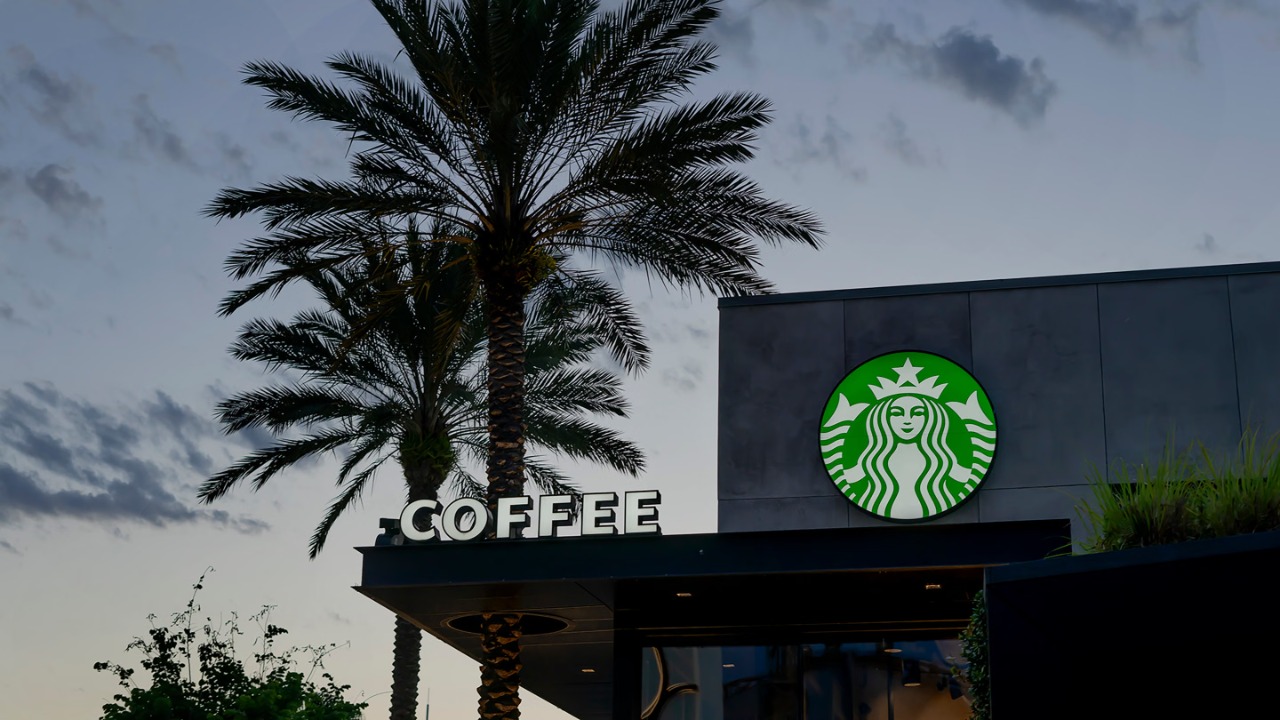

South Korean police have raided Starbucks Korea’s headquarters as the fallout from its controversial “Tank Day” marketing campaign moves from corporate crisis management into a formal criminal investigation.
The Seoul Metropolitan Police Agency conducted a search-and-seizure operation at the company’s headquarters in Seoul’s Gangnam district on August 5. Investigators are examining allegations that the campaign insulted victims of the May 18 Democratization Movement and their bereaved families. The raid does not establish criminal wrongdoing, but it shows that police are no longer relying solely on Starbucks Korea and its parent company to explain how the promotion was approved.
The controversy began with what appeared to be a routine promotion for oversized reusable cups. Its timing, language and imagery instead connected it with two of the most painful events in South Korea’s modern democratic history.
Police Are Searching for Internal Campaign Records
Approximately 40 investigators participated in the operation, which began at around 8:50 a.m. local time. The warrant reportedly cited alleged insult offences, while police focused on obtaining smartphones, internal communications and promotional planning documents that were not fully reviewed during Shinsegae Group’s internal investigation.
According to YTN’s report on the raid, three of the five employees involved in planning the campaign did not submit their phones during the company’s earlier inquiry. Shinsegae acknowledged that this limited its ability to establish a complete account of the decision-making process.
Police are expected to examine whether employees knowingly designed the campaign to ridicule or insult people associated with the 1980 Gwangju uprising. That question of intent is likely to become central because the company’s internal review did not find conclusive evidence that staff deliberately referenced the historical events.
The August raid was the first compulsory search in the case. Police reportedly applied for a search warrant in June, but the initial request was rejected before investigators conducted additional work and submitted a strengthened application.
How a Tumbler Promotion Became a National Scandal
Starbucks Korea launched the promotion on May 18, offering discounts on large stainless-steel tumblers marketed as part of its “Tank” range. The company described the day as “Tank Day” and used a Korean slogan that translated approximately as “Put it on the table with a sound of ‘Tak!’”
May 18 is also the anniversary of the Gwangju uprising, when South Korea’s military government deployed troops, tanks and helicopters against citizens participating in pro-democracy demonstrations in 1980. Government records list around 200 deaths, while activists and victims’ organisations have long argued that the actual number was higher. Hundreds more were injured during the crackdown.
The wording added another layer of controversy. Many South Koreans interpreted “Tak” or “thwack” as a reference to the official explanation initially given after student activist Park Jong-chol died under police torture in 1987. Authorities falsely claimed that Park had suddenly collapsed after an investigator struck a desk and produced a “thwack” sound.
The combination of “Tank Day,” the May 18 launch date and the desk-related slogan therefore appeared to connect a commercial promotion with both the Gwangju crackdown and a notorious attempt to conceal state violence. The Associated Press account of the controversy explains why critics regarded the campaign as more than an unfortunate product name.
Starbucks Cancelled the Campaign Within Hours
The response was immediate. Starbucks Korea withdrew the campaign within hours as boycott calls spread online and protests appeared outside stores. Some demonstrators destroyed Starbucks cups and tumblers, while customers sought refunds and cancelled memberships.
Shinsegae Group dismissed Starbucks Korea chief executive Sohn Jeong-hyun shortly after the campaign launched. Chairman Chung Yong-jin issued multiple apologies, including a televised statement during which he bowed three times and accepted management responsibility for the incident.
Chung also urged members of the public not to direct their anger at baristas and other store employees, arguing that frontline workers had not created or approved the campaign. Reuters reported that Starbucks Korea experienced what the company described as a “very significant” sales decline following the backlash.
Starbucks’ global headquarters also apologised and said it was monitoring the investigation. However, Starbucks Korea is locally operated through SCK Company, which is majority-owned by Shinsegae affiliate E-Mart. E-Mart holds 67.5 percent, while Singaporean sovereign wealth fund GIC holds the remaining 32.5 percent.
The Internal Review Did Not End the Questions
Shinsegae’s investigation concluded that Starbucks Korea’s e-commerce team had been under intense pressure to generate sales while managing a high volume of promotional events. The company said the campaign progressed without sufficient legal review or consideration of its social and historical implications.
The review identified serious weaknesses in the company’s risk-management process but did not conclusively determine that employees had intentionally mocked democracy activists. Staff members accused of deliberate wrongdoing denied the allegation.
That unresolved conclusion appears to be one reason the police investigation continued. Investigators reportedly believed that the internal inquiry had not obtained all relevant evidence, particularly because several phones were not submitted.
A civic organisation and relatives of victims subsequently filed complaints against Chung and other company figures, alleging insult and defamation. The police must now determine whether the promotion resulted from negligence, ignorance and weak approval systems or whether evidence supports the more serious accusation of deliberate ridicule.
Starbucks Closed Every Korean Store for Training
In June, Starbucks Korea announced that all of its more than 2,000 stores would close at 3 p.m. on June 22 for mandatory training on modern Korean history and social sensitivity. It was the company’s first nationwide early closure since Starbucks entered South Korea in 1999.
Head-office employees, E-Mart executives and Shinsegae leaders attended related sessions led by history and sociology professors. The programme covered South Korea’s modern history and the responsibility companies carry when addressing subjects involving human rights, labour, politics, disasters and military violence.
The company also promised to introduce a social-sensitivity checklist into its marketing approval process. The revised procedures are expected to assess campaign dates, historical references, political issues, gender, violence, disasters and hate-related language before promotions are released. Reuters detailed the training and approval reforms.
Those measures were intended to demonstrate accountability, but the police raid shows that internal reforms do not resolve the legal questions surrounding the original campaign.
The Crisis Has Also Affected Starbucks Employees
Starbucks Korea’s employees have faced customer anger, operational disruption and reputational damage despite having no involvement in the campaign’s creation. Chairman Chung’s request that customers spare frontline workers reflected concern that baristas were becoming the most accessible targets for criticism directed at senior management.
The scandal also contributed to wider workplace tensions. Starbucks Korea employees formed a union after the campaign, with organisers arguing that management decisions had increased pressure on staff and exposed deeper problems surrounding communication and working conditions.
This adds another dimension to the crisis. A failed marketing campaign did not simply damage the brand’s relationship with customers. It affected sales, executive leadership, employee relations and the company’s standing with government institutions.
South Korea’s Interior Ministry said Starbucks products would no longer be used at official events, while public officials condemned the promotion’s treatment of democratic history.
The Raid Does Not Prove Intentional Insult
The seriousness of the police action should not be confused with a finding of guilt. Search warrants allow investigators to obtain evidence; they do not decide whether allegations are true.
The materials collected from Starbucks Korea may support the company’s explanation that the campaign resulted from sales pressure, inadequate historical awareness and a defective approval process. They could also reveal discussions that lead investigators to a different conclusion.
Determining intent may be difficult because the controversy depends heavily on the relationship between the product name, promotional wording and launch date. Each element might be explained separately as a careless marketing choice. Placed together, however, they produced a message that many South Koreans considered impossible to dismiss as an ordinary mistake.
A Marketing Failure With Lasting Consequences
The “Tank Day” scandal demonstrates how a promotional campaign can become a national political and legal crisis when a company overlooks the historical meaning of its language.
Starbucks Korea cancelled the event, removed its chief executive, apologised publicly, closed every store for training and redesigned its marketing controls. None of those actions prevented police from entering its headquarters nearly three months later.
The investigation will now focus on what employees knew, what senior managers approved and whether the campaign crossed the line from corporate negligence into intentional insult. Until that process concludes, the allegations remain unproven.
What is already clear is that the damage extended far beyond one day of discounted tumblers. “Tank Day” has become a warning about the cost of treating cultural and historical awareness as a final marketing check rather than a fundamental part of corporate decision-making.