
More than 200,000 portable power banks sold through Amazon have been recalled after reports that their lithium-ion batteries overheated and caught fire, causing burn injuries and more than $380,000 in property damage.
The recall covers certain INIU 10,000mAh portable power banks, model BI-B41. The U.S. Consumer Product Safety Commission says consumers should stop using the affected chargers immediately and apply for a full refund.
Which Power Banks Are Being Recalled?
The recall involves approximately 210,000 INIU BI-B41 power banks.
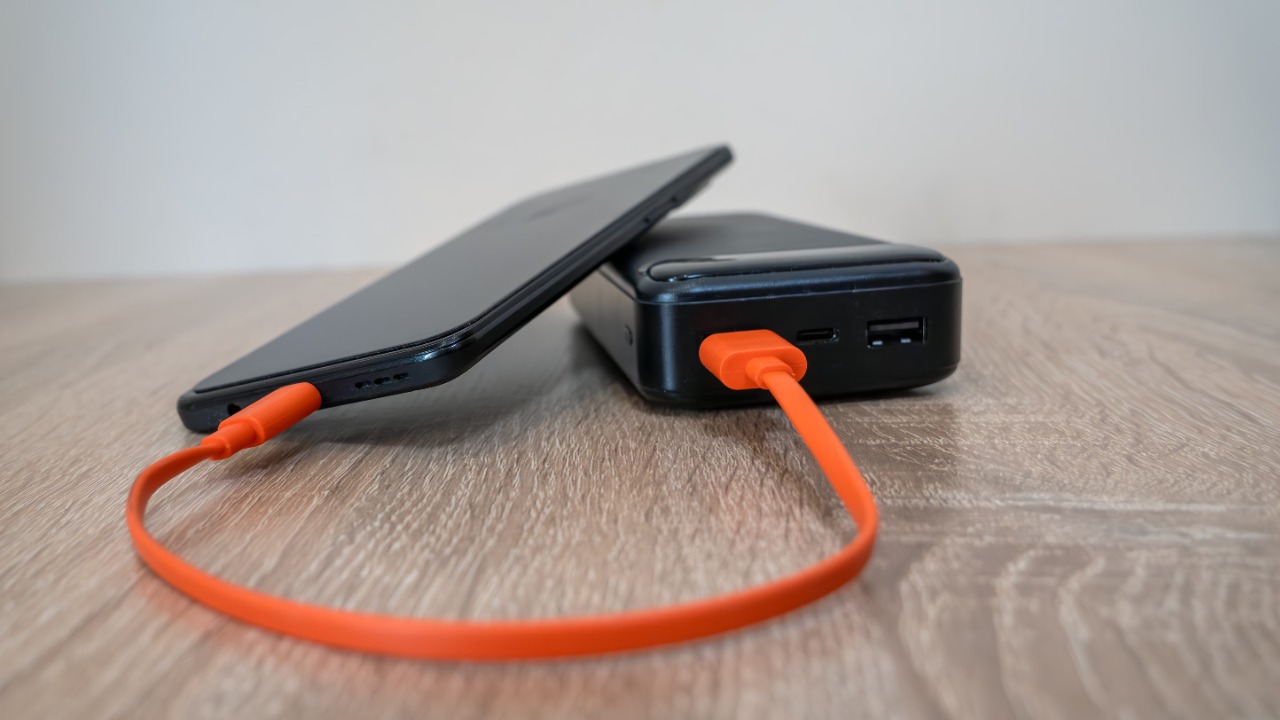
The affected chargers have either a black or blue case. The INIU name and a distinctive paw-print LED indicator appear on the front, while the model and serial number are printed near the bottom of the back panel.
Only units carrying one of the following serial numbers are included: 000G21, 000H21, 000I21 or 000L21. Owners should check both the model number and serial number because not every INIU power bank is affected.
The recalled products were sold exclusively through Amazon between August 2021 and April 2022 for approximately $18.
Consumers can compare their charger with the product photographs and identification details in the official CPSC recall notice.
Why the Power Banks Are Dangerous
The lithium-ion battery inside the recalled power bank can overheat and ignite.
Lithium-ion batteries store a large amount of energy inside a small enclosure. When a defective cell overheats, it can enter a process known as thermal runaway. The temperature can rise rapidly, potentially producing smoke, flames, hot gases or an explosion.
A failing power bank can ignite while charging another device, while being recharged or while sitting nearby. A user may have little time to react once smoke or intense heat becomes visible.
The power bank’s small size can also make the hazard easy to underestimate. Many people leave portable chargers on beds, sofas, carpets, desks or inside bags, where a fire can quickly spread to surrounding materials.
Eleven Fires and Three Burn Injuries Were Reported
INIU received 15 reports of the affected power banks overheating.
Those reports included 11 fires, three minor burn injuries and property damage totaling more than $380,000, according to the CPSC.
The number of units recalled is much larger than the number of reported incidents, but regulators do not require every product to fail before issuing a recall. A confirmed defect combined with a serious fire risk can justify removing the entire affected production group from use.
Owners should not assume their charger is safe simply because it has worked normally for several years. Battery deterioration, internal manufacturing defects and repeated charging cycles can cause a failure to appear later in the product’s life.
Stop Using the Charger Immediately
Consumers with an affected INIU power bank should stop charging it, carrying it or using it to power another device.
The charger should be disconnected from cables and kept away from combustible materials while the owner arranges the recall remedy. It should not be stored in a car, bedroom, drawer or travel bag where overheating could go unnoticed.
Owners should not deliberately recharge the device to test whether it becomes hot. They should also avoid opening, crushing, puncturing or attempting to repair the battery enclosure.
Unusual heat, swelling, hissing, cracking, smoke or a chemical smell can indicate battery failure. Anyone who notices these warning signs should move away from the product and contact emergency services if there is an immediate fire risk.
How to Receive a Full Refund
INIU is offering a full refund to consumers who own one of the recalled power banks.
Owners must visit the company’s BI-B41 recall page to verify the product’s serial number and register for the refund. The company may require photographs or other identifying information before approving the claim.
People who purchased the power bank several years ago may still qualify even if they no longer have the original packaging. The serial number printed on the device is the most important identification detail.
Do Not Throw the Power Bank in the Trash
Recalled lithium-ion batteries require special disposal.
The CPSC warns consumers not to place the recalled charger in household garbage, curbside recycling or ordinary battery-recycling boxes at retail stores. A defective battery can ignite after it has been discarded, placing waste workers, recycling facilities and collection vehicles at risk.
Consumers should contact their local household hazardous-waste facility and explain that the item is a recalled lithium-ion power bank.
Calling before visiting is important because not every facility accepts recalled or damaged batteries. When a center cannot accept the device, the local municipality should be able to provide alternative disposal instructions.
Owners should complete the refund registration process before disposing of the charger because INIU may require photographs of the model and serial number.
How to Reduce Power-Bank Fire Risks
Any portable charger that becomes unusually hot, swollen or damaged should be removed from use, even when it is not part of this recall.
Power banks should be charged on a hard, open surface rather than beneath bedding, inside a bag or on upholstered furniture. Users should keep them away from direct sunlight, heaters and hot vehicles.
A damaged charging cable or incompatible charger can also create unnecessary heat. Consumers should use suitable charging equipment and avoid leaving a power bank connected longer than necessary.
Dropping or crushing a power bank may damage its internal cells without leaving an obvious mark on the outside. A charger that has suffered a strong impact should be inspected carefully and replaced if it behaves unusually.
What Owners Should Do Now
Anyone who purchased an INIU power bank through Amazon should locate the model and serial number on the back.
A charger marked BI-B41 with serial number 000G21, 000H21, 000I21 or 000L21 should no longer be used. Owners should register for a refund through INIU and arrange disposal through a facility equipped to handle recalled lithium-ion batteries.