
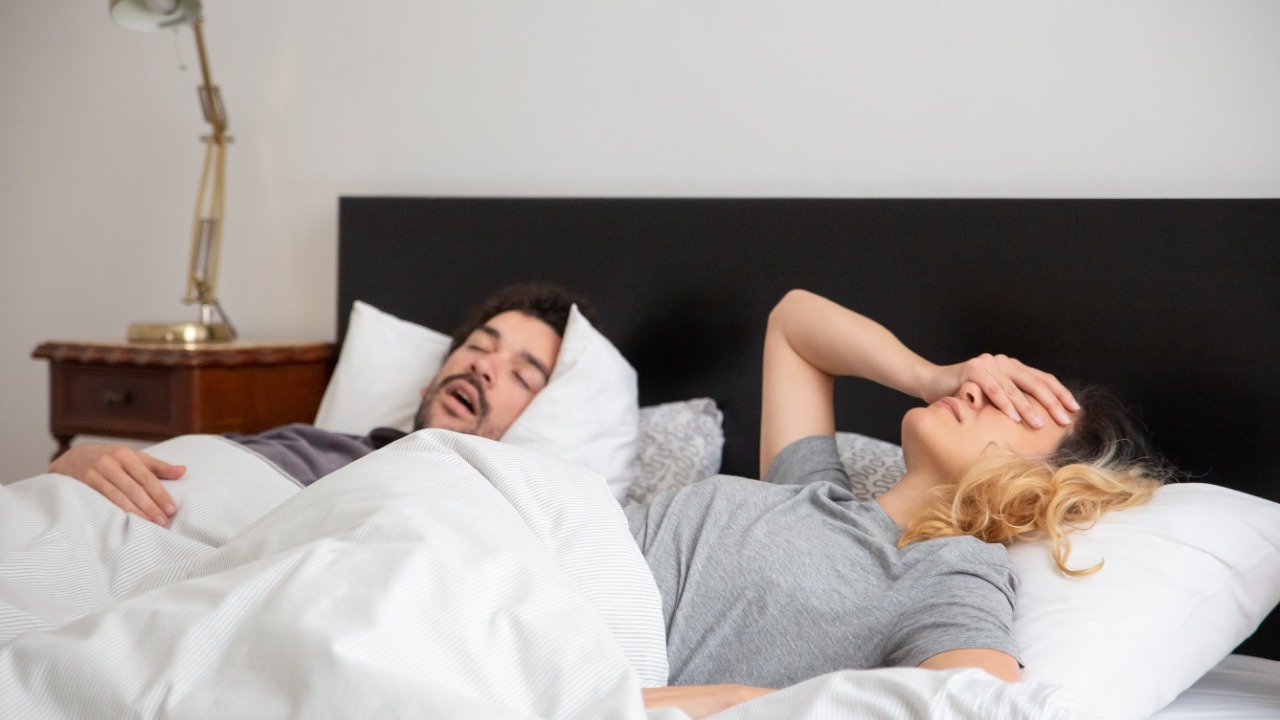

Regularly sleeping for fewer than seven hours a night may do more than leave you tired the next morning. New research suggests that insufficient sleep is strongly associated with shorter life expectancy and a higher risk of premature death.
A 2025 study led by researchers at Oregon Health & Science University compared sleep data with life-expectancy patterns across U.S. states and counties. The researchers found that areas with higher rates of sufficient sleep generally had longer average life expectancy. Among the lifestyle factors studied, sleep showed a stronger relationship with life expectancy than exercise, diet or loneliness, with smoking being the only factor showing a stronger association.
The research does not prove that losing an hour of sleep directly removes a specific number of years from an individual’s life. It does, however, add to a growing body of evidence linking chronic short sleep with serious health conditions and increased mortality.
Seven Hours Appears to Be an Important Threshold
For the study, sufficient sleep was defined as getting at least seven hours per night. That definition is consistent with recommendations from major sleep-health organizations.
Most healthy adults should aim for at least seven hours of sleep on a regular basis. Individual needs can vary, and some people may feel and function best with eight or nine hours. However, consistently getting fewer than seven hours is associated with poorer health outcomes.
Researchers examining mortality across dozens of previous studies have also identified a pattern in which short sleep is linked with a higher risk of death from all causes. A 2025 meta-analysis involving 79 cohort studies found that sleeping fewer than seven hours was associated with approximately a 14% higher risk of all-cause mortality compared with healthier sleep durations.
That does not mean every person sleeping six hours will die earlier. The figures describe population-level associations, not a precise prediction for an individual.
Why Too Little Sleep Can Affect Longevity
Sleep is an active period during which the body performs essential repair, regulation and maintenance.
While a person sleeps, the cardiovascular system gets a chance to reduce its workload. Blood pressure normally falls, hormones are regulated and the immune system coordinates responses to inflammation and infection.
When sleep remains too short night after night, these processes may not function as effectively. Chronic sleep loss has been associated with high blood pressure, cardiovascular disease, obesity, type 2 diabetes, depression and reduced immune function.
Many of these conditions can independently increase the risk of early death. Sleep may therefore influence longevity through several connected pathways rather than through one single mechanism.
The OHSU researchers did not attempt to prove exactly why insufficient sleep was associated with shorter life expectancy. They noted that sleep affects heart health, immune function and the brain, all of which may contribute to long-term survival.
Your Heart May Be One of the First Systems Affected
The cardiovascular system is especially sensitive to persistent sleep loss.
During normal sleep, heart rate and blood pressure usually decrease. This nightly reduction gives the heart and blood vessels time to recover from the demands of the day.
When sleep is shortened or repeatedly disrupted, blood pressure may remain elevated for longer periods. Over time, that can contribute to hypertension, heart disease and stroke.
The Centers for Disease Control and Prevention reports that adults sleeping fewer than seven hours are more likely to report health problems including heart attack, asthma and depression. Short sleep is also connected with conditions such as obesity and type 2 diabetes that can further increase cardiovascular risk.
More information about the connection between sleep and cardiovascular health is available through the CDC’s sleep and heart health guidance.
Short Sleep Can Disrupt Metabolism
A lack of sleep can affect how the body manages hunger, energy and blood sugar.
Insufficient sleep may alter hormones that regulate appetite, making calorie-dense foods feel more appealing. Fatigue can also reduce a person’s motivation to exercise or prepare healthier meals.
At the same time, chronic sleep restriction can interfere with insulin sensitivity. This means the body may become less effective at moving glucose from the bloodstream into cells, increasing the risk of type 2 diabetes.
These changes can build gradually. A person may initially notice only hunger, irritability or low energy, while the longer-term metabolic consequences remain hidden.
The Immune System Also Needs Sleep
Sleep helps the immune system organize its response to infections and damaged cells.
When sleep is consistently restricted, inflammation may remain elevated and immune responses can become less efficient. This can make it harder for the body to recover from illness and may contribute to chronic disease.
Sleep loss can also affect the body’s response to vaccines and reduce its ability to build strong immune protection. The occasional short night is unlikely to create lasting damage by itself, but repeated sleep deprivation can place the immune system under ongoing stress.
Brain Health and Mental Health Are Connected to Sleep
The brain uses sleep to process memories, regulate emotions and restore cognitive performance.
People who regularly sleep too little may experience slower reaction times, poor concentration, reduced decision-making ability and increased irritability. Chronic sleep problems are also linked with depression and anxiety.
This relationship can become a cycle. Stress and mental-health problems can make sleep more difficult, while poor sleep can intensify emotional symptoms.
Sleep deprivation also increases the risk of mistakes and accidents. Fatigued driving, workplace errors and falls can create an immediate threat to health long before chronic disease develops.
Sleeping Longer Is Not Always Better
The relationship between sleep and mortality is often described as U-shaped.
Studies frequently find higher health risks among people sleeping very little and among those reporting unusually long sleep durations. Research has linked both short sleep and long sleep with increased all-cause mortality.
However, long sleep may sometimes be a sign of an underlying medical condition rather than the cause of poor health. Depression, chronic illness, medication effects, sleep disorders and reduced physical activity can all increase time spent in bed.
The goal is therefore not to stay in bed for as many hours as possible. Most adults should focus on getting enough restorative sleep and maintaining a reasonably consistent schedule.
Sleep Quality Matters Alongside Duration
Seven hours of fragmented or poor-quality sleep may not provide the same benefits as seven hours of uninterrupted rest.
Someone may spend eight hours in bed but repeatedly wake because of pain, breathing problems, noise, anxiety or alcohol use. In that situation, total time in bed can overestimate actual restorative sleep.
Sleep apnea is a particularly important condition to recognize. It causes repeated pauses in breathing and can lower oxygen levels throughout the night. Untreated sleep apnea is associated with high blood pressure, heart attack and stroke.
Common warning signs include loud snoring, gasping during sleep, morning headaches, dry mouth and severe daytime tiredness.
People who regularly spend enough time in bed but still feel exhausted should consider discussing their symptoms with a healthcare professional.
Weekend Catch-Up Sleep May Not Erase the Damage
Sleeping late on weekends can provide some temporary relief after a demanding week, but it may not fully reverse repeated sleep deprivation.
Large shifts between weekday and weekend sleep schedules can also disturb the body’s internal clock. This pattern is sometimes called social jet lag because the body experiences something similar to repeatedly changing time zones.
A more consistent bedtime and wake time generally supports better-quality sleep. The CDC recommends maintaining the same schedule each day, including weekends, whenever practical.
An occasional late night is unlikely to determine someone’s lifespan. The greater concern is a routine that limits sleep to five or six hours for months or years.
How to Build a Healthier Sleep Routine
A consistent schedule is one of the most effective places to begin. Going to bed and waking at roughly the same time helps the brain predict when it should become alert and when it should prepare for sleep.
The bedroom should be cool, dark and quiet. Bright screens and artificial light can interfere with the body’s natural sleep signals, particularly when they are used shortly before bedtime.
Caffeine can remain active in the body for several hours, so people struggling to sleep may benefit from avoiding it later in the day. Large meals, nicotine and alcohol can also reduce sleep quality.
Regular physical activity and morning daylight exposure can support the body’s circadian rhythm. However, intense exercise immediately before bedtime may make it harder for some people to relax.
The CDC’s official sleep guidance provides additional recommendations for improving sleep habits.
When Poor Sleep Needs Medical Attention
Persistent insomnia should not be treated as a personal failure or something a person must simply tolerate.
Someone who regularly struggles to fall asleep, wakes repeatedly or experiences overwhelming daytime sleepiness may have an underlying sleep or medical condition.
A healthcare professional can evaluate possible causes such as sleep apnea, restless legs syndrome, medication side effects, depression, anxiety, chronic pain or hormonal changes.
People should also avoid relying on sleeping pills or supplements without professional advice. Some products can cause side effects, interact with other medications or mask the real cause of the problem.
The Study Shows Association, Not a Guaranteed Outcome
The OHSU research was based on population-level data. It compared average sleep patterns and life expectancy across geographic areas rather than tracking every person’s sleep and exact cause of death.
That means the study cannot prove that insufficient sleep directly caused shorter lives. Communities with low sleep levels may also experience poverty, shift work, healthcare barriers, environmental stress and other factors that affect longevity.
The researchers adjusted their models for several lifestyle and social variables, but no observational study can remove every possible influence.
The findings are still important because the sleep-life expectancy relationship appeared consistently across multiple years and most U.S. states.
The original research is available through the OHSU study summary.
The Real Message Is About Long-Term Habits
One night of poor sleep will not suddenly shorten a person’s life. The concern is chronic sleep restriction that becomes a normal part of everyday life.
People often treat sleep as the first activity to sacrifice when work, family demands or entertainment take up more time. The research suggests that this trade-off may carry greater long-term consequences than many people realize.
Getting at least seven hours of quality sleep cannot guarantee a longer life, just as sleeping less does not guarantee an early death. Genetics, medical care, diet, exercise, smoking and many other factors also matter.
However, sleep is one of the few health behaviors that affects nearly every major system in the body. Protecting enough time for it may be one of the simplest ways to support both daily functioning and long-term health.