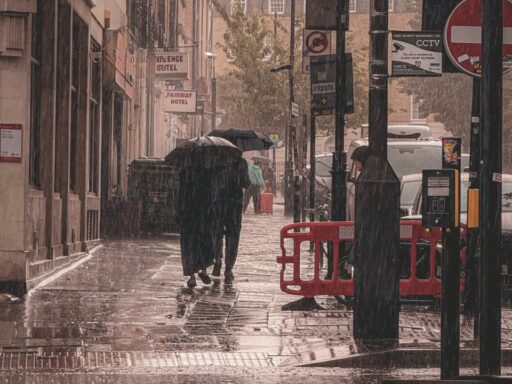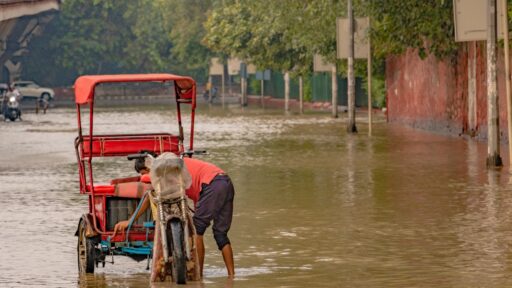
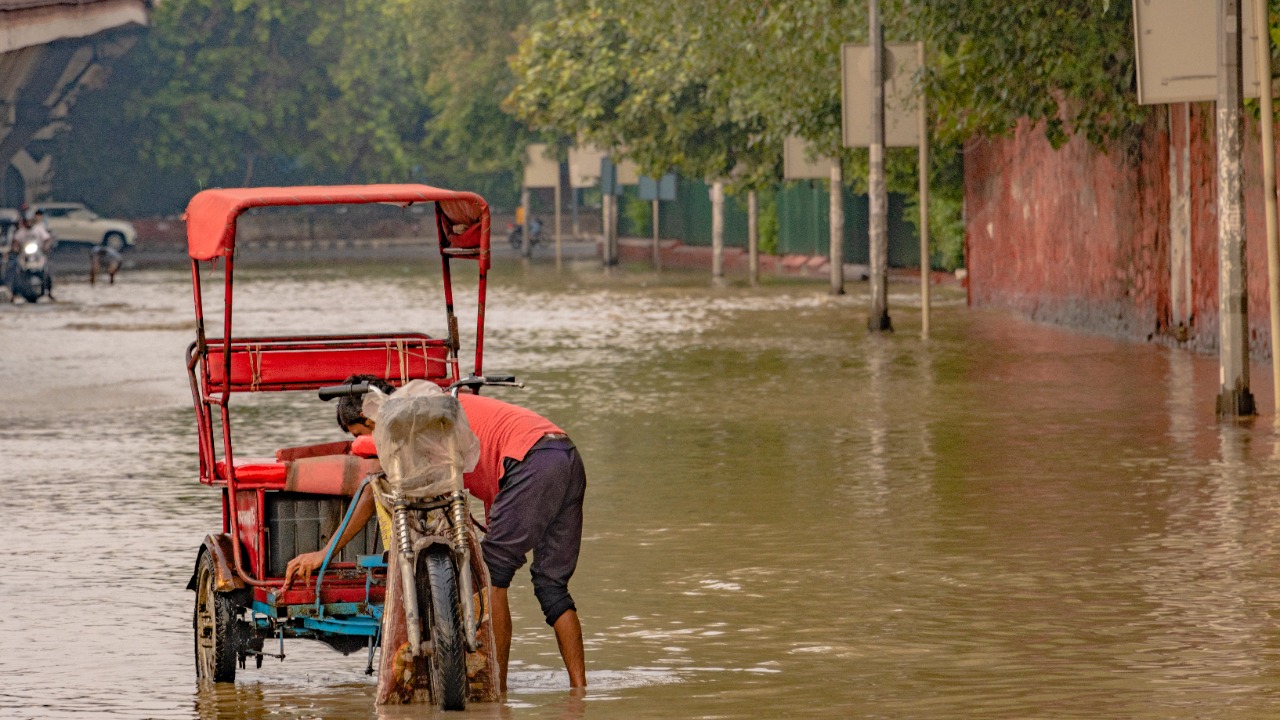

Powerful monsoon storms triggered deadly flash flooding across southern Arizona and the neighboring Mexican state of Sonora, sweeping people through drainage channels, trapping vehicles and forcing search teams to work on both sides of the international border.
Reports compiled by July 20 linked at least seven deaths to flooding around Nogales and Tucson. However, the exact regional death toll remained difficult to classify because some victims recovered in Arizona may have been carried north by water originating in Nogales, Sonora. Authorities were still working to identify several bodies and determine where each person entered the floodwaters.
The tragedy shows why desert flooding can be particularly deceptive. A location can remain dry while intense rainfall several miles away sends a fast-moving wall of water through a wash, channel or normally quiet riverbed.
Three Victims Were Recovered Near Rio Rico
Search operations began after witnesses reported people being carried through floodwater near Nogales and Rio Rico in Santa Cruz County.
Crews recovered one man’s body on July 17. Two additional bodies were found the following day, bringing the number recovered from the wash to three. Their identities, nationalities and causes of death had not initially been confirmed, and the bodies were transferred to the Pima County Medical Examiner’s Office.
Santa Cruz County officials said a binational group of more than 30 volunteers, firefighters and rescue personnel participated in the search. Authorities believed the three victims may have entered the floodwater in Mexico before being carried across the border into Arizona.
That possibility explains why a headline describing seven deaths in southern Arizona requires context. The bodies were recovered on the U.S. side, but the floods formed within a connected drainage system that does not stop at the border.
The Two Nogales Cities Share the Same Flood Path
Nogales, Arizona, and Nogales, Sonora, function as neighboring cities separated politically by the international boundary but connected by the same terrain and drainage network.
The Sonoran city sits at a higher elevation. When intense rain falls over its streets, hills and neighborhoods, runoff can descend north through the Nogales Wash and related channels into Arizona.
Santa Cruz County Undersheriff Gerardo Castillo told KJZZ that both communities share the wash and portions of the sewer system. Flooding in one city can therefore become an emergency in the other within a short period.
This geography can complicate warnings and rescue operations. A storm may appear to have passed over Nogales, Arizona, while water is still gathering farther uphill in Mexico. Emergency officials must communicate across agencies, jurisdictions and national systems while determining where missing people may have been swept.
Nogales, Sonora, Recorded Intense Rain and Major Damage
The municipal government of Heroica Nogales reported that up to 71 millimeters of rain accumulated in the southeastern sector of the city on July 18. The southern area experienced the greatest damage, with water collecting along major roads and leaving vehicles trapped.
Two people were rescued from a stream near Abraham Zaied Street and suffered non-life-threatening injuries. A landslide struck a home in the Jardines de la Montaña neighborhood, killing one person despite emergency-response efforts.
Officials temporarily closed sections of Álvaro Obregón Avenue and Nogales 2000 Boulevard. The city activated Mexico’s Plan DN-III-E emergency framework with support from the military to assist affected families, evaluate damage and strengthen rescue and cleanup operations.
The storm also sent vehicles through channels with enough force to overwhelm normal road barriers. A Nogales, Arizona, police vehicle was later reported swept away while officers responded to a possible victim in a flood-control wash. No death was reported from that vehicle incident.
A Separate Flood Death Occurred in Tucson
The regional toll also included a separate incident in the Tucson area.
Twenty-nine-year-old Ernesto Ojeda was reported missing after being near Julian Wash during heavy monsoon rainfall on July 17. Earlier that afternoon, emergency services had received reports of a man being swept through the wash near Julian Drive and Palo Verde Road.
Search teams and aircraft followed the wash toward the Santa Cruz River but suspended their work as conditions made the operation difficult. The search resumed after the water level declined, and Ojeda’s body was recovered near the Interstate 10 and Interstate 19 interchange shortly before 1 p.m. on July 18. Authorities reported no indication of suspicious circumstances.
His death demonstrates how urban drainage systems can become as dangerous as remote desert canyons. Water entering a neighborhood wash can travel rapidly into a larger river channel, carrying a person far from the place where the incident began.
Why Flash Floods Become So Dangerous in Arizona
Arizona’s dry climate may create the impression that serious flooding is uncommon. In reality, the desert landscape contains thousands of washes, low-water crossings and channels that can fill rapidly during monsoon thunderstorms.
The National Weather Service’s southern Arizona monsoon guidance explains that flash floods can occur many miles from the thunderstorm producing the rain. Runoff flows downhill from mountains and developed areas, collecting inside valleys and normally dry arroyos.
Hard ground and paved urban surfaces may absorb water slowly. Steep terrain accelerates runoff, while narrow washes concentrate it into a deeper and faster current.
Floodwater also carries mud, rocks, branches, waste and other debris. It can undermine a roadway even when the visible water appears shallow. A driver may enter what looks like a manageable crossing without realizing that part of the road beneath it has washed away.
According to the National Weather Service, approximately one to two feet of moving water can float many vehicles, including sport utility vehicles. It advises people to move immediately to higher ground when a flash-flood warning is issued and never enter a flooded wash or roadway.
Search Operations Can Become Dangerous for Rescuers
Responders face difficult choices during active monsoon flooding. Continuing a search through rising water may place additional lives at risk, yet delaying the operation reduces the chance of finding a missing person alive.
The Rio Rico search was repeatedly affected by renewed rainfall. Crews paused operations when water levels and weather conditions became too dangerous, then returned after the current weakened.
Search teams may rely on aircraft, drones, shore-based spotters and personnel positioned farther downstream. Entering the water directly is often impossible because muddy floodwater hides debris, sudden drops and powerful undercurrents.
Members of the public can unintentionally make the situation worse by entering restricted areas or attempting unofficial rescues. Emergency agencies generally ask residents to report sightings, follow evacuation instructions and allow trained swift-water teams to conduct the search.
Drivers Remain at Particular Risk
Vehicles account for a significant share of flood deaths because drivers often underestimate water depth and current speed.
The Arizona Department of Transportation’s monsoon guidance advises motorists never to drive around road-closure signs or enter flooded washes. Drivers should carry drinking water, a charged phone and emergency supplies because storm damage can close roads for extended periods.
The safest response to a flooded crossing is to turn around. Waiting for water to recede may be inconvenient, but entering it can disable the vehicle, trap the occupants and require rescuers to enter the same dangerous current.
People on foot face similar risks. Children should be kept away from storm drains and washes after rainfall, while hikers should identify escape routes before entering canyons or low-lying trails during monsoon season.
The Flooding Was a Binational Disaster
The Nogales flooding cannot be fully understood as either an Arizona event or a Mexican event. The same water moved through both communities, and victims recovered in one country may have been swept away in the other.
That reality makes cooperation essential. Weather alerts, drainage maintenance, missing-person reports and emergency searches must cross the border as quickly as the water does.
Santa Cruz County has since organized a relief effort supporting families affected in Nogales, Sonora, reflecting the close social and physical relationship between the communities.
The final official death toll may change as medical examiners complete identifications and authorities reconcile reports from Arizona and Sonora. What is already clear is that the storms produced multiple fatal incidents across a connected border watershed.
Southern Arizona’s monsoon provides valuable rainfall to an arid region, but it can transform streets and dry channels into violent rivers within minutes. The deaths near Nogales and Tucson are a reminder that rainfall does not need to occur directly overhead for a flash flood to become life-threatening.