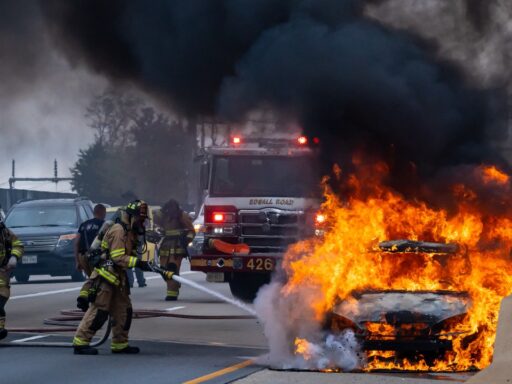

Nissan has recalled a small number of newly redesigned 2026 Leaf electric vehicles because a defect inside the high-voltage battery could cause a short circuit, overheating and a fire—even when the car is parked and switched off.
The US recall covers 51 vehicles, making it limited in size but unusually serious in its instructions. Nissan told affected owners not to drive or charge their vehicles and to park them outdoors, away from buildings and other vehicles, until the battery has been inspected and repaired.
The recall is listed under National Highway Traffic Safety Administration campaign number 26V188. Owners should check their individual vehicle identification number because the warning does not apply to every 2026 Nissan Leaf.
What Can Go Wrong Inside the Battery?
According to Nissan’s recall documents, certain battery cells may have been damaged during the manufacturing process.
Internal damage can create a short circuit within the high-voltage battery. If that happens, the affected cell or module may generate excessive heat and trigger a thermal event, including a battery fire.
The concern is not limited to driving or charging. A damaged lithium-ion cell can continue developing heat after the vehicle has been parked and turned off, which explains the instruction to keep affected cars away from homes, garages and neighboring vehicles.
Transport Canada issued the same warning for certain 2026 Leaf vehicles, stating that a high-voltage battery short circuit could create a fire risk while the vehicle is parked and switched off.
Why Owners Were Told Not to Charge the Vehicle
Charging moves electrical energy into the battery and may increase stress on a defective cell.
Nissan therefore instructed affected owners not to connect the vehicle to either home or public charging equipment while waiting for the recall remedy. The temporary safety instructions are stricter than those used in earlier Leaf recalls that focused primarily on overheating during high-speed DC fast charging.
An affected vehicle should remain parked outdoors with adequate space separating it from buildings, garages, carports, trees and other vehicles.
Affected Leafs Should Not Be Driven to a Dealership
Owners whose VIN is included should contact an authorized Nissan dealer before moving the car.
The recall instructions say the vehicle should be towed to the dealership rather than driven. Nissan will arrange for technicians to inspect the high-voltage battery and replace affected battery modules or the complete battery assembly where necessary.
The inspection and repair will be completed without charge. Nissan says towing or a loaner vehicle may also be available to customers affected by a recall.
Which Nissan Leaf Is Involved?
The campaign applies only to certain vehicles from the 2026 model year.
The 2026 Leaf is the new generation of Nissan’s long-running electric vehicle, but the recall does not include every example built or sold. Model year, trim and appearance alone are not sufficient to determine whether a particular car contains the defective battery.
Owners need the 17-character VIN, normally visible through the lower driver’s side of the windshield. It is also printed on the driver’s door post, registration documents and insurance paperwork. Nissan provides an official recall lookup service where owners can check for active campaigns.
The VIN can also be entered into the NHTSA recall database.
How Nissan Discovered the Problem
Nissan began investigating after identifying a battery-production concern involving a limited group of new Leaf vehicles.
The automaker reviewed manufacturing records and determined that the potentially affected batteries could contain internal damage capable of producing a short circuit. Nissan decided to conduct a voluntary safety recall on March 24, 2026.
The recall documents available through NHTSA provide the official defect description and affected population. A final determination about any individual vehicle still depends on its VIN and the dealership inspection.
What Warning Signs Might Appear?
Battery problems do not always produce a clear warning before a thermal event.
Possible signs of a developing battery issue may include smoke, an unusual chemical or burning smell, popping or hissing sounds, excessive heat beneath the vehicle or dashboard warnings related to the EV system.
Owners should not approach, charge or attempt to drive a Leaf showing any of these signs. Everyone should move away from the vehicle and contact emergency services from a safe location.
Water or an ordinary household extinguisher may not immediately stop a large lithium-ion battery fire. Damaged battery cells can retain energy, produce toxic gases and reignite after visible flames appear to have been extinguished.
What Owners Should Do Right Now
A person who owns a 2026 Nissan Leaf should check the VIN immediately rather than waiting for a mailed recall letter.
When the recall appears as open, the owner should stop driving and charging the car, park it outdoors and contact a Nissan dealer to arrange towing and repair. The vehicle should remain away from structures and other cars until the dealer confirms that the battery remedy has been completed.
Owners whose VIN does not show recall 26V188 are not covered by this specific campaign. They should still check periodically because recall databases can be updated when manufacturers identify additional vehicles.
This Recall Is Different From Earlier Leaf Battery Campaigns
Nissan has issued other Leaf recalls involving battery overheating, but those campaigns involved different model years and circumstances.
A 2025 campaign covered more than 19,000 Leaf vehicles from the 2021 and 2022 model years because excessive lithium deposits inside certain battery cells could cause rapid heating during Level 3 fast charging. Owners in that campaign were advised to avoid DC fast charging while Nissan prepared a software remedy.
The new 2026 recall is more urgent because the affected battery may short circuit and create a fire risk even while the car is stationary and not being charged.
Owners should therefore follow the instructions attached to their exact VIN rather than applying advice from an older Leaf recall.
Why Park-Outside Warnings Are Serious
Automakers and regulators use park-outside instructions when they believe a vehicle could ignite without someone actively operating it.
A fire starting inside an attached garage can spread to a house before occupants are aware of the danger. Flames can also move rapidly between vehicles parked close together.
Parking outside does not repair the defect or guarantee that a fire cannot occur. It reduces the chance that an incident will involve a building, neighboring vehicle or sleeping occupants while the permanent repair is pending.
The instruction should remain in effect until an authorized Nissan dealer completes the recall and confirms that the vehicle can safely return to normal use.
Used-Car Buyers Should Check the VIN
The recall also matters to anyone considering a used or nearly new 2026 Leaf.
A seller may not have received the mailed notice, or the recall may have appeared after the vehicle was listed for sale. Prospective buyers should perform an official VIN search and ask for documentation showing that recall 26V188 has been completed.
A vehicle carrying an open stop-driving warning should not be test-driven or driven away from the dealership. The selling dealer should arrange the required battery inspection and repair first.
The Main Safety Message
Only a small number of 2026 Nissan Leafs are included, but the consequences of the defect could be severe.
Internal battery damage may create a short circuit, overheating and a fire while the EV is being used, charged or simply parked and turned off. Nissan’s instructions are therefore clear: affected owners should not drive or charge the vehicle and should keep it outdoors, away from structures and other cars.
The repair is free and may involve replacement of one or more high-voltage battery modules or the entire battery. Owners should verify their VIN through Nissan or NHTSA and arrange dealer-coordinated towing rather than attempting to drive the vehicle for service.