
The new Oura Ring 5 is pushing the smart ring category deeper into health monitoring, adding nighttime blood-pressure trend tracking, lab-result imports, health records, breathing insights, and more proactive wellness alerts. Instead of focusing only on sleep scores and daily readiness, Oura is trying to turn the ring into a broader health dashboard that connects everyday biometric patterns with clinical-style information.
According to MacRumors, the Oura Ring 5 was unveiled with a smaller design, blood pressure trend detection, nighttime breathing analysis, GLP-1 medication tracking, Health Records, and Lab Uploads. The ring starts at $399, with premium finishes priced at $499, and full functionality still requires an Oura Membership.
The biggest headline is not simply that Oura made another smart ring. It is that the company is moving closer to a health platform model. The Ring 5 still tracks sleep, activity, recovery, heart rate, body temperature, and blood oxygen, but the new software features show a clear direction: Oura wants users to see patterns early, connect wearable data with lab data, and understand when a change may deserve attention.
Why Nighttime Blood-Pressure Tracking Stands Out
Blood pressure is one of the most important cardiovascular health signals, but most people only measure it occasionally. A person may check it during a doctor visit, at a pharmacy kiosk, or with a home cuff. Those readings matter, but they do not always show what is happening overnight.
Oura’s new Blood Pressure Signals feature focuses on nighttime patterns. In the company’s Health Radar announcement, Oura says Blood Pressure Signals uses nighttime PPG data from the ring across 30-day assessment periods to track cardiovascular-related patterns. The feature is designed to surface changes that may indicate cardiovascular strain.
This does not mean the Oura Ring 5 replaces a medical blood-pressure cuff. The feature is about signals and trends, not a traditional cuff-style systolic and diastolic reading that doctors use for diagnosis. That distinction matters. Wearable blood-pressure trend tracking can be useful, but it should not be treated as a substitute for validated clinical measurement.
Why Sleep Is a Useful Window for Blood Pressure
Nighttime blood pressure can be important because healthy blood pressure typically dips during sleep. This is sometimes called nocturnal dipping. When blood pressure does not drop normally at night, it may be linked with higher cardiovascular risk.
Oura says sleep offers a cleaner window for tracking these patterns because nighttime readings are less affected by daily noise such as movement, stress, caffeine, posture, meals, and activity. That makes sense. Daytime blood pressure can shift quickly depending on what a person is doing. Sleep may reveal whether the cardiovascular system is recovering properly.
The American Heart Association explains that high blood pressure can raise the risk of heart disease, stroke, kidney disease, and other health problems. A wearable that helps people notice unusual patterns could encourage earlier conversations with a healthcare provider, especially if the user also logs cuff readings.
Health Radar Makes Oura More Proactive
The Ring 5’s blood-pressure feature sits inside Oura’s Health Radar system. Health Radar builds on the company’s earlier Symptom Radar feature and is designed to monitor biometric signals in the background. Instead of only showing daily scores, the system tries to highlight patterns that may deserve attention.
Oura says Health Radar includes Blood Pressure Signals and Nighttime Breathing. Nighttime Breathing gives users a 30-day rolling view of sleep-related breathing patterns and disturbances. This could matter for people who wake up tired, feel low energy during the day, or may have breathing disruptions during sleep.
The feature is not a sleep apnea diagnosis. But it may help users notice when nighttime breathing patterns look unusual enough to discuss with a healthcare professional. That is the broader trend in wearables: devices are becoming early-warning tools, not just trackers.
Lab Results Bring Clinical Data Into the App
Another major change is Oura’s ability to bring lab results into the app. Oura’s Health Panels support page says users can schedule a blood test, track key biomarkers, and view lab results directly in the Oura App. Users can also add lab results by importing electronic health records or uploading a PDF.
Health Panels can measure 50 blood biomarkers for eligible U.S. members, including glucose, cholesterol markers, triglycerides, HbA1c, insulin, ApoB, Lp(a), kidney markers, liver markers, inflammation markers, and blood-cell markers. Oura says the feature connects lab data with ring insights to give users a more complete picture of their health.
This is a major move because wearable data and lab data usually live in separate places. A ring can track sleep, heart rate, temperature, and recovery every night, while lab tests show deeper biological markers that cannot be measured from the finger. Combining the two may help users see how lifestyle patterns relate to metabolic, cardiovascular, immune, and inflammation markers.
Why Lab Imports Could Be More Useful Than Another Score
Many wearables compete by adding more scores, but lab imports may be more meaningful for users who want a fuller health picture. Sleep quality, heart rate variability, resting heart rate, and activity patterns can be useful, but they do not show cholesterol levels, blood sugar control, inflammation, kidney function, or nutrient-related markers.
For example, a person may see poor recovery scores and high resting heart rate, but the reason could be stress, poor sleep, overtraining, inflammation, illness, medication changes, alcohol, or metabolic issues. Lab data can add another layer of context.
The key is interpretation. Oura says Health Panels provide educational and personalized insights, but the company also notes that results should be reviewed with a healthcare provider when users have questions or concerns. That is important because biomarkers can be complex. A value that looks “out of range” may not mean the same thing for every person.
Health Records Push Oura Toward a Personal Health Hub
The Ring 5 also adds Health Records features for U.S. users. According to MacRumors, users can import diagnosed conditions, medications, lab results, and allergies into the Oura App. That makes the app more like a personal health hub, not just a wearable dashboard.
This matters because health data is often fragmented. One person may have sleep data in Oura, exercise data in a phone, medication notes in another app, lab results in a clinic portal, and doctor notes somewhere else. Pulling more of that data into one place may make it easier to spot patterns.
For example, a user starting a new medication may notice changes in sleep, resting heart rate, readiness, weight, glucose markers, or symptoms. A person managing cholesterol may connect lab trends with exercise, sleep, diet, and stress patterns. A person using GLP-1 medication may track side effects and biometric changes over time.
The Ring 5 Is Also Physically Smaller
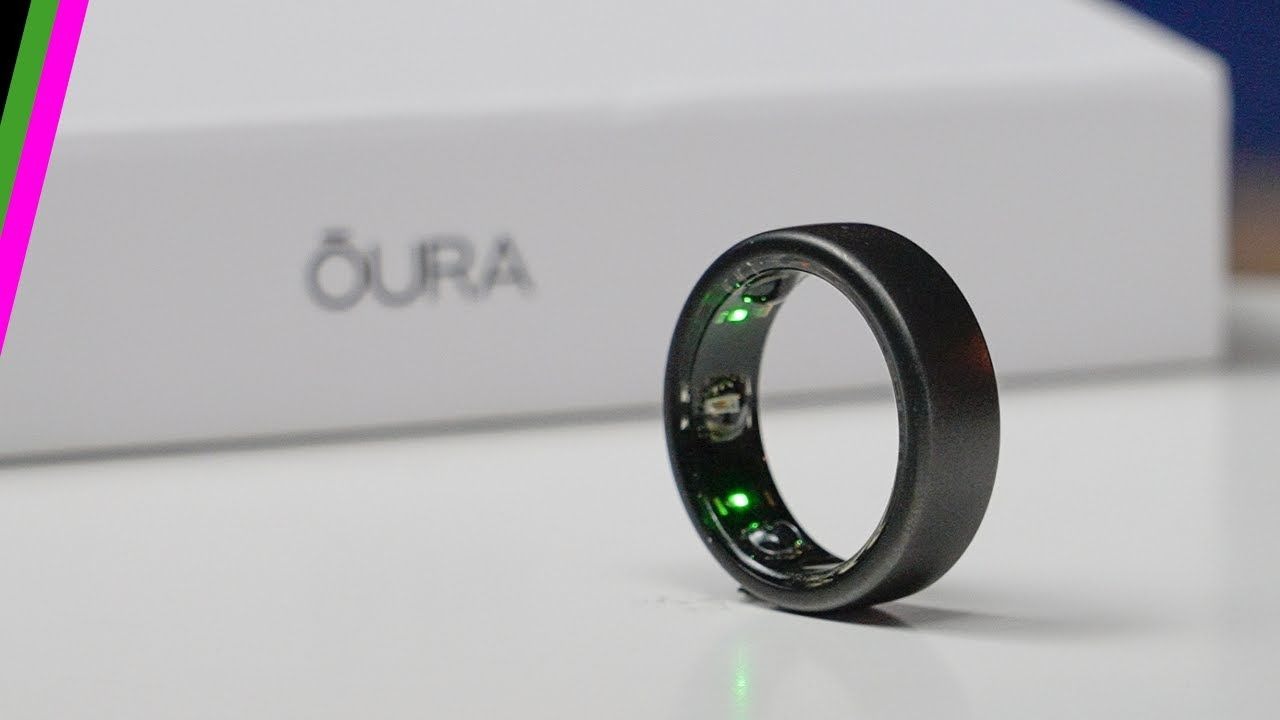
The health features are the main story, but the hardware redesign is also important. The Oura Ring 5 is significantly smaller than the previous model. MacRumors reported that it is 40% smaller than its predecessor, measuring 6.09 mm wide and 2.29 mm thick compared with 7.99 mm and 2.88 mm on the prior model.
That matters because smart rings have to be comfortable enough to wear all day and all night. A ring that feels bulky may be removed more often, which creates gaps in data. Oura’s promise is that the Ring 5 is closer to the feel of a traditional wedding band while still offering continuous health tracking.
The smaller design could help Oura appeal to people who want health tracking without wearing a smartwatch. Some users prefer a ring because it is less distracting, easier to sleep with, and more subtle in daily life.
Better Sensors Aim for More Consistent Readings
Oura says the Ring 5 includes a new signal architecture with redesigned sensor domes, more powerful LEDs, and twelve signal pathways for more consistent readings across different finger types and skin tones. This matters because wearable accuracy can depend heavily on sensor contact, skin tone, movement, temperature, fit, and how the device sits on the body.
A smart ring has one major advantage over a wrist wearable: the finger can provide strong blood-flow signals. But rings also have challenges. They must fit properly, stay aligned, and remain comfortable. If the ring rotates or does not sit well, readings may be affected.
By improving sensor contact and signal pathways, Oura is trying to make the device both smaller and more reliable. That is a difficult balance because smaller hardware leaves less space for batteries, sensors, and antennas.
Battery Life Still Matters
Oura says the Ring 5 maintains roughly week-long battery life despite the smaller body. That is one of the biggest advantages smart rings have over many smartwatches. A wearable that lasts several days is easier to use for sleep tracking because the user does not have to charge it every night.
Battery life is especially important for overnight features like sleep staging, temperature trends, breathing analysis, recovery scoring, and blood-pressure signals. If users charge the ring overnight, they lose the most valuable data window. Longer battery life reduces that problem.
Oura also introduced an optional charging case, which could make travel easier. For users who rely on the ring for daily health patterns, portable charging may reduce gaps in long-term tracking.
Why This Does Not Replace a Doctor
The Ring 5’s new features are impressive, but users should understand the limits. Blood Pressure Signals are not the same as a medical cuff reading. Nighttime Breathing is not a full sleep study. Lab insights are not a medical diagnosis. AI-generated guidance is not a doctor.
This is not a weakness unique to Oura. It is the core challenge of consumer health technology. Wearables can notice patterns, but diagnosis and treatment still require clinical context.
The U.S. Food and Drug Administration has emphasized the growing role of digital health tools, but medical use depends on safety, evidence, regulatory status, and appropriate claims. Consumers should treat wellness features as useful signals, not final medical answers.
Why Doctors May Still Find This Data Useful
Even though Oura is not replacing clinical care, its data may still be helpful in conversations with healthcare providers. A single office visit captures one moment. Wearables can show trends over weeks or months. Lab imports can show biomarkers alongside lifestyle and recovery patterns.
A doctor may not use every data point, but long-term trends can help guide questions. Is resting heart rate rising? Is sleep getting worse? Are nighttime breathing patterns changing? Did blood-pressure-related signals shift after weight gain, medication changes, stress, alcohol use, illness, or poor sleep?
The most useful wearable data is not necessarily a single score. It is the pattern over time and how that pattern connects to symptoms, lab results, medication history, and lifestyle.
Privacy Becomes a Bigger Question
As Oura collects more sensitive health information, privacy becomes more important. Sleep data is personal. Heart-rate data is personal. Lab results, medication lists, diagnoses, and allergies are even more sensitive.
Oura has added tools such as time-based data deletion, according to MacRumors, allowing users to remove data from specific periods without deleting their full history. That kind of control matters as consumer health apps collect more clinical-style information.
Users should still read privacy settings carefully. Before importing lab results or health records, people should understand what data is stored, how it is used, whether it is shared, and how it can be deleted. A health dashboard is only useful if users trust it.
How Oura Ring 5 Fits Into the Smart Ring Market
The Oura Ring 5 arrives as smart rings are becoming more competitive. Samsung, Ultrahuman, RingConn, Circular, and other brands are pushing into the category. Some focus on fitness, some on recovery, some on sleep, and some on affordability.
Oura’s advantage is its established app ecosystem, long-running sleep focus, and growing health features. The Ring 5’s lab imports and blood-pressure signals may help it stand apart from competitors that still focus mainly on sleep and activity.
The downside is price. Starting at $399, plus a recurring membership, Oura remains a premium product. Users who only want step tracking or basic sleep data may not need it. But people who want a deeper recovery and health-pattern platform may see the value.
Who the Ring 5 Makes Sense For
The Ring 5 may be most appealing to users who care about sleep quality, recovery, long-term health patterns, and discreet tracking. It may also appeal to people who dislike wearing a smartwatch at night or want a wearable that feels more like jewelry.
It could be especially interesting for users tracking cardiovascular risk, metabolic health, GLP-1 medication journeys, sleep breathing patterns, or lab biomarkers. The ability to bring lab results into the same app as wearable data is one of the strongest reasons to consider it.
However, athletes who want advanced workout metrics, built-in GPS, training plans, or detailed sport performance tools may still prefer a smartwatch. Oura is strongest as a wellness and recovery device, not a full sports watch replacement.
Final Takeaway
The new Oura Ring 5 is more than a thinner smart ring. It adds nighttime blood-pressure trend tracking, Health Radar, Nighttime Breathing, Health Records, Lab Uploads, GLP-1 Insights, improved sensors, and a smaller design that aims to feel more like a traditional ring.
The most important change is Oura’s shift toward a fuller health dashboard. By combining wearable data with lab results and health records, the company is trying to help users understand patterns earlier and connect daily habits with deeper biological markers.
Still, users should treat the new health features correctly. Blood-pressure signals are not a replacement for a validated cuff. Lab insights are not a diagnosis. Nighttime breathing trends are not a sleep study. The Ring 5 may be a powerful early-warning and wellness tool, but medical decisions should still involve a healthcare professional.
For people who want deeper health tracking in a discreet form factor, the Oura Ring 5 looks like one of the most ambitious smart rings yet.