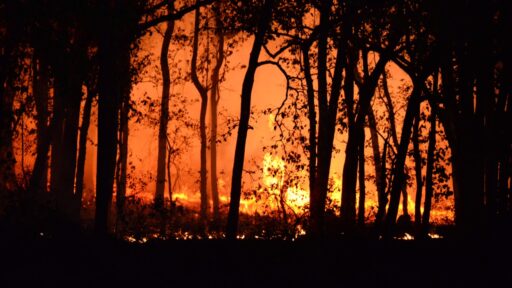
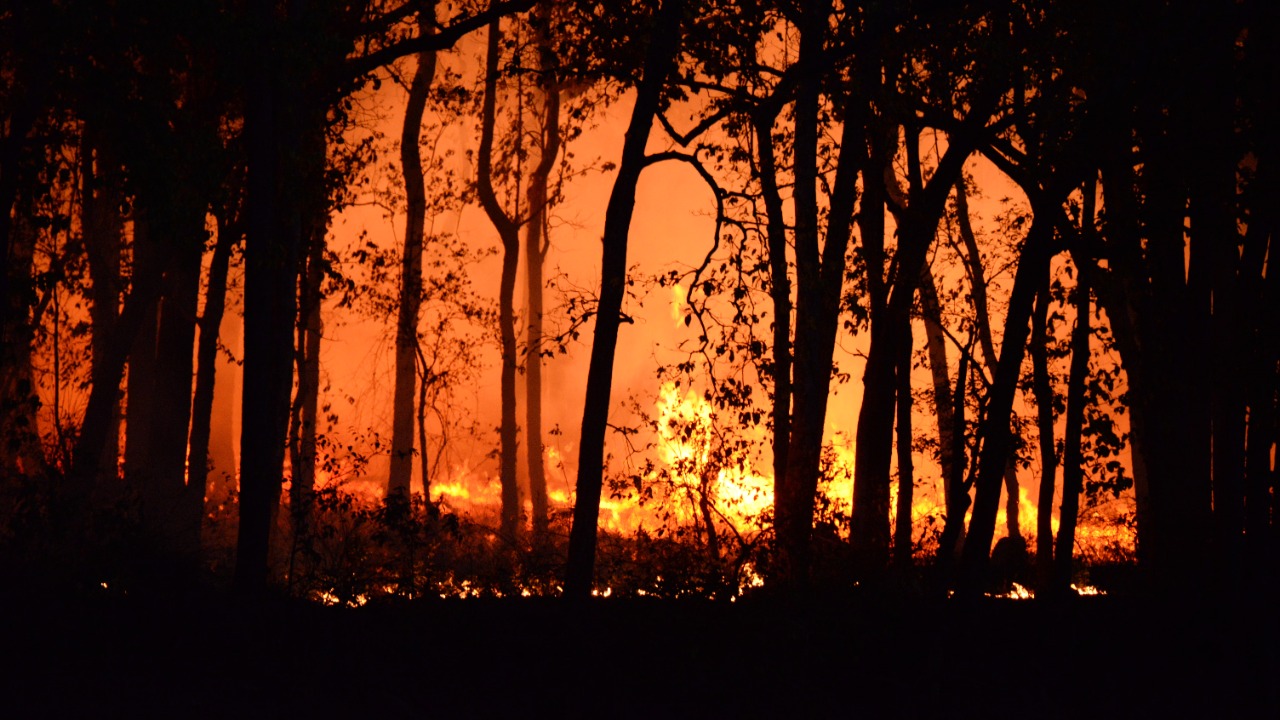

Wildfires across the United States have already burned more than 3.4 million acres this year, a sign that the 2026 fire season is running hot before the traditional late-summer peak. The number is especially concerning because the most intense fire conditions in many western states often arrive later in summer, when heat, drought, dry vegetation, lightning, wind, and human activity can combine to create fast-moving fire danger.
According to the National Interagency Fire Center, more than 37,000 fires have burned over 3.4 million acres across the United States so far this year. The agency’s National Fire News updates track new fires, large incidents, acres burned, and national preparedness conditions, making it one of the most important official sources for wildfire activity.
The total does not mean every region is burning equally. Some states and landscapes are facing more pressure than others. But the national number shows that fire activity is already unusually significant, and it highlights why residents in fire-prone areas should treat this season seriously.
Why 3.4 Million Acres Is a Serious Milestone
A burned-area total of 3.4 million acres is difficult to picture. It represents an area larger than some U.S. states and reflects thousands of separate fires across forests, grasslands, shrublands, rangelands, and communities. Some fires burn far from homes. Others threaten neighborhoods, roads, power lines, water systems, livestock, and public lands.
Earlier in the season, the National Interagency Coordination Center’s seasonal outlook reported that as of May 31, more than 2.4 million acres had already burned across the country, which was well above the 10-year average for that point in the year. That early start helps explain why the national total has continued climbing quickly.
Wildfire seasons are not judged only by the number of fires. Acres burned, fire intensity, structures lost, smoke exposure, firefighting difficulty, and community impacts all matter. A year with fewer fires can still be destructive if those fires grow large, burn intensely, or reach populated areas.
Why Fire Season Can Escalate Quickly
Wildfires need fuel, heat, and ignition. In many parts of the West, dry grasses, shrubs, timber, and dead vegetation create the fuel. Heat and low humidity dry that fuel further. Wind can push flames rapidly across the landscape. Lightning and human activity provide ignition sources.
Once those conditions line up, a small fire can become a major incident in hours. A spark from lightning, equipment, a vehicle, fireworks, a power line, or an unattended campfire can spread quickly when fuels are dry enough.
The National Weather Service explains that wildfire danger increases when dry vegetation, low humidity, strong winds, drought, and heat combine. These conditions can make fires harder to control and more dangerous for firefighters and nearby communities.
Why This Year’s Fire Activity Is Getting Attention
This year’s wildfire activity is drawing attention because the acreage has already climbed sharply before the full late-summer and early-fall risk window. In many western regions, August and September can bring some of the most dangerous conditions, especially when vegetation has dried for months and strong winds arrive.
Axios reported that wildfire activity was already running well above the 10-year average around the July 4 period, with extreme heat, drought, dry fuels, and dangerous fire weather raising risks across parts of the West. The report also noted that firework bans were issued in several areas because holiday ignition risks were so high. (axios.com)
A fast start does not guarantee the rest of the season will be catastrophic, but it does increase concern. More burned acres early in the year can strain firefighting resources, reduce recovery time between incidents, and put communities on alert before the highest-risk months arrive.
Climate Change Is Raising the Fire Baseline
Wildfire behavior is shaped by many factors, including weather, land management, ignition patterns, vegetation, drought, and development in fire-prone areas. Climate change does not start every fire, but it can make the environment more favorable for large and intense fires.
Warmer temperatures dry vegetation faster. Earlier snowmelt can extend the dry season. Heatwaves can turn grasses and shrubs into ready fuel. Drought can weaken trees and increase dead material on the landscape. These changes raise the baseline risk even before ignition happens.
The U.S. Environmental Protection Agency notes that climate change has contributed to longer fire seasons and increased wildfire activity in parts of the United States. The trend is especially important in the West, where heat, drought, and fuel conditions can create severe fire behavior.
Smoke Is a Health Hazard Far Beyond the Fire Line
Wildfire damage is not limited to burned land. Smoke can travel hundreds or even thousands of miles, affecting people far from the flames. Fine particles in wildfire smoke can enter the lungs and bloodstream, worsening asthma, heart disease, chronic lung disease, and other health conditions.
The Centers for Disease Control and Prevention warns that wildfire smoke can harm anyone, but children, older adults, pregnant people, outdoor workers, and people with heart or lung disease are at higher risk. When smoke levels rise, staying indoors, using filtered air, and reducing outdoor exertion can help lower exposure.
Smoke has become one of the most widespread wildfire impacts. Even people who never see flames may experience unhealthy air quality, school closures, canceled outdoor events, flight delays, and increased medical visits during heavy smoke periods.
Why More Acres Burned Can Mean More Community Risk
The number of acres burned does not automatically equal the number of homes lost, but it does increase the chance that fires will intersect with communities, infrastructure, and critical resources. As more people live in or near wildland areas, the line between natural landscapes and neighborhoods becomes more vulnerable.
This area is often called the wildland-urban interface. Homes built near forests, grasslands, or shrublands may face higher wildfire exposure, especially if they are surrounded by dry vegetation or have flammable materials close to structures.
The U.S. Fire Administration describes the wildland-urban interface as an area where homes and wildland vegetation meet or mix. This is where wildfire risk becomes a direct community safety issue, not only a forest-management issue.
What Homeowners Should Do Before Fire Arrives
Wildfire preparation works best before smoke is visible. Homeowners in fire-prone areas should create defensible space, remove dry leaves and debris from roofs and gutters, trim vegetation away from structures, move firewood away from the home, and use fire-resistant materials where possible.
The Ready.gov wildfire guide recommends preparing an emergency plan, signing up for alerts, creating an evacuation kit, and knowing evacuation routes in advance. These steps matter because fast-moving fires can leave little time for decision-making.
A home does not need to sit in a deep forest to face wildfire danger. Grass fires can move extremely fast. Embers can travel ahead of flames and ignite roofs, decks, vents, and dry vegetation near homes. Many structures burn not because the main flame front reaches them directly, but because embers find something combustible.
Why Evacuation Planning Matters
Evacuation is one of the most stressful parts of wildfire season. Roads can become crowded. Smoke can reduce visibility. Cell service can fail. Power may go out. People may struggle to gather pets, medications, documents, and essential items under pressure.
That is why planning before a fire matters. Families should know where they will go, how they will communicate, what they will take, and how they will help children, older relatives, pets, or neighbors with mobility needs. Waiting until an evacuation order is issued can create dangerous delays.
Evacuation orders should be taken seriously. A wildfire can change direction quickly when winds shift. Firefighters may not be able to rescue everyone who waits too long. Leaving early can protect both residents and emergency crews.
Firefighters Are Facing Tougher Conditions
Firefighters are dealing with hotter, drier, and more complex fire seasons. Large fires can burn for weeks, require thousands of personnel, and demand aircraft, engines, hand crews, incident management teams, and logistical support across difficult terrain.
When multiple large fires burn at the same time, resources can become stretched. Crews may be moved between states, and national preparedness levels can rise as demand increases. This is why early-season acreage matters. A busy start can set the stage for a strained response system later.
Firefighting is also more dangerous when fires burn near communities. Crews must protect homes, manage evacuations, defend infrastructure, and work around power lines, roads, vehicles, and structures while still fighting the fire itself.
Why Human-Caused Fires Are Preventable
Many wildfires are started by people. Campfires, fireworks, equipment, vehicles, burning debris, target shooting, power tools, and careless smoking can all ignite dry fuels. Some fires are accidental, while others are caused by negligence or arson.
Preventing human-caused fires is one of the simplest ways to reduce wildfire risk. During periods of high fire danger, people should avoid activities that create sparks, follow local burn bans, properly extinguish campfires, avoid parking vehicles over dry grass, and use caution with tools or equipment outdoors.
The U.S. Forest Service provides wildfire prevention guidance and emphasizes that reducing human-caused ignitions can protect lives, property, and natural resources. Prevention is especially important during hot, dry, windy periods when one mistake can become a major fire.
The Economic Cost Goes Beyond Fire Suppression
Wildfires are expensive in many ways. Fire suppression costs can be enormous, but the full cost includes damaged homes, lost businesses, evacuation expenses, destroyed timber, damaged power lines, road closures, insurance claims, health impacts, tourism losses, and long-term recovery.
Smoke can reduce outdoor work, affect agriculture, and increase healthcare costs. Burned watersheds can create flooding, erosion, and water-quality problems after the fire. Communities may spend years recovering from one major event.
This is why wildfire planning is not only an emergency-response issue. It is also an economic resilience issue. Land management, home hardening, evacuation planning, insurance preparation, and climate adaptation all affect long-term costs.
What the Rest of the Season Could Bring
The rest of the year will depend on weather patterns, monsoon moisture, lightning, heatwaves, drought, wind events, and how quickly fuels dry in different regions. Some areas may get relief from rain. Others may remain primed for large fires.
The National Interagency Coordination Center’s outlooks provide updated significant fire potential forecasts. These outlooks help emergency managers, fire agencies, and communities prepare for areas where risk may increase in the coming days or months.
Because conditions can change quickly, residents should follow local fire agencies, emergency management offices, air-quality alerts, and evacuation notices. National totals are important, but local conditions determine immediate risk.
Final Takeaway
This year’s U.S. wildfires have already burned more than 3.4 million acres, according to National Interagency Fire Center updates. That total shows a fire season that is already highly active before the late-summer peak that often brings some of the most dangerous conditions.
The number matters because it reflects more than burned land. It points to smoke exposure, community risk, strained firefighting resources, damaged ecosystems, economic costs, and the growing challenge of living with wildfire in a hotter and drier climate.
For people in fire-prone areas, the safest response is preparation. Check local fire danger, follow burn bans, create defensible space, prepare an evacuation plan, monitor air quality, and take official warnings seriously. Wildfire risk cannot be eliminated, but early action can reduce damage, protect homes, and save lives.