
A fast-moving wildfire in western Colorado pushed Ouray County officials to issue level three “leave now” evacuation orders, sending residents scrambling out of steep mountain canyons and into makeshift shelters. Driven by dry fuels and gusty winds, the fire has turned a high-country destination into an active disaster zone and a test of how well the state has learned from recent fire seasons.
Escalating fire behavior and sudden level-three orders
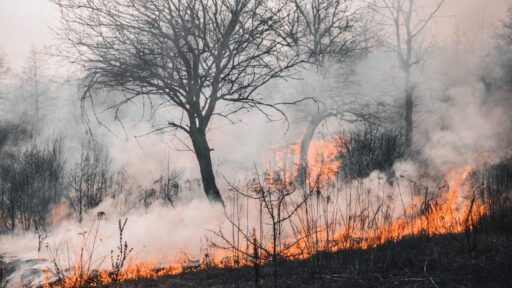
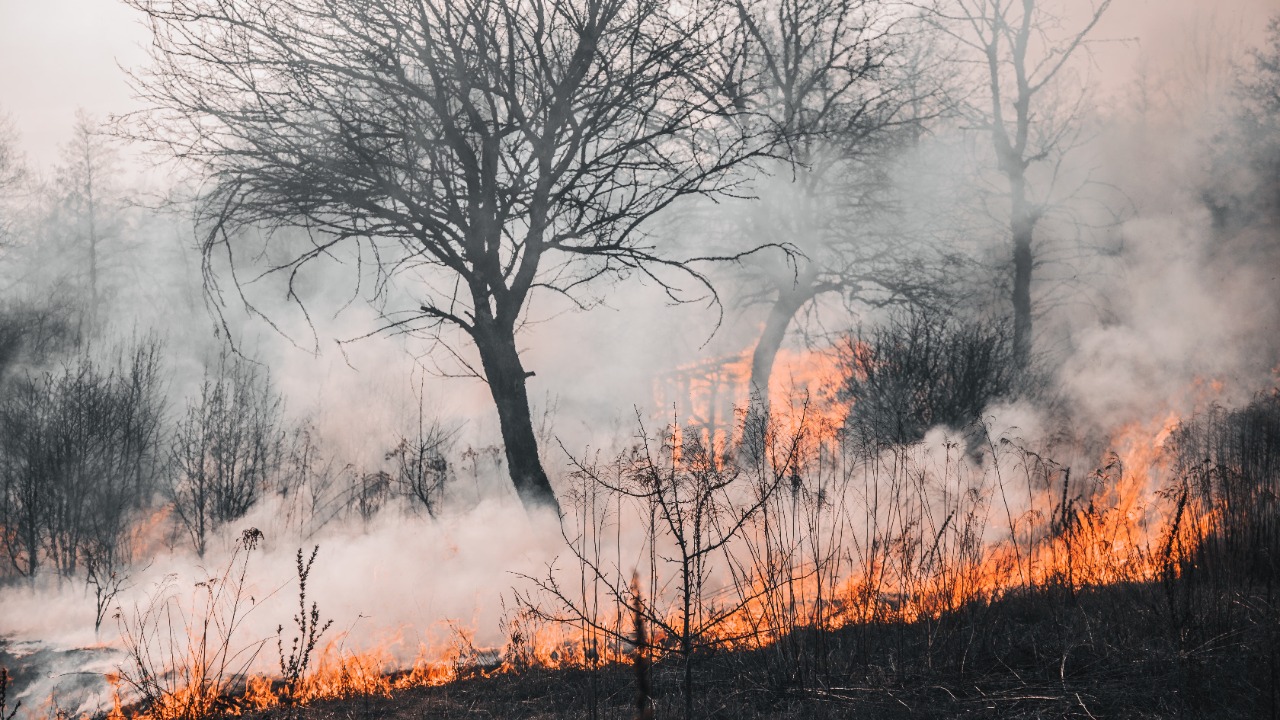
The blaze that triggered the highest evacuation level in Ouray County ignited in timber and brush above rural neighborhoods, then climbed quickly through slopes that are hard for ground crews to reach. As flames began spotting ahead of the main front and smoke columns thickened, local officials upgraded earlier warnings to level three, the most urgent category that tells residents to leave immediately with only essentials.
Authorities framed the decision as a life-safety move, not a precaution. In terrain where narrow roads and limited turnouts can trap traffic, any delay risks cutting off escape routes. Evacuation zones stretched across parts of Ouray County that mix year-round homes, short-term rentals and small ranch properties. Residents reported having only minutes to grab family members, pets and medications before heading toward staging points and shelters.
Conditions across Colorado have primed forests and grasslands for exactly this kind of rapid escalation. Earlier in the week, the Aspen Acres fire in Custer County grew large enough to trigger what officials described as the biggest evacuation operation in the state so far this year, with hundreds of homes ordered cleared around the Aspen Acres subdivision. That incident, fueled by dry timber and shifting winds, has become a reference point for how quickly small starts can turn into regional emergencies.
In Ouray County, air resources joined the fight once smoke cleared enough for safe flying. Large air tankers painted red retardant lines along ridges above homes, while helicopters shuttled water from nearby reservoirs and rivers. On the ground, hand crews focused on structure protection, clearing brush from around houses and setting up hose lays where water systems allowed. Their goal was to hold the fire on higher slopes and keep it from dropping into more densely populated valleys.
Why the Ouray County evacuations carry statewide weight
The level three orders in Ouray County matter beyond a single county line because they highlight how Colorado’s fire risk has shifted from seasonal to nearly constant. Higher temperatures, prolonged drought in some basins and dense stands of beetle-killed timber have combined to extend the window for large, destructive fires. The Aspen Acres blaze and the new Ouray incident arrived while many residents still thought of early summer as a shoulder period between spring runoff and late-season fire danger.
These back-to-back emergencies also strain a finite pool of firefighters and equipment. Federal, state and local agencies share hotshot crews, air tankers and incident management teams. When one large fire pulls in those resources, the next incident starts at a disadvantage. In the Aspen Acres response, officials surged engines and crews from multiple counties to protect the evacuation zones. As the Ouray fire grew, planners had to balance sending help with keeping enough coverage for new starts elsewhere.
The human cost of that tempo has become stark. Earlier this year, three federal firefighters died in a burnover during operations on a Colorado wildfire when shifting winds and intense heat overran their position. Investigators described a sudden change in fire behavior that left little time to deploy shelters, underscoring how volatile conditions have become. The deaths of these three federal firefighters have weighed heavily on crews now heading into new assignments around the state.
For residents, the Ouray evacuations reinforce that wildfire risk is no longer confined to remote forests. The county’s mix of historic mining towns, tourism hubs and scattered rural neighborhoods mirrors many parts of Colorado where homes sit in the wildland-urban interface. Level three orders that once seemed rare are now a realistic scenario for communities from the San Juan Mountains to the Front Range foothills.
Insurance markets and local economies feel that shift as well. Repeated evacuations can push premiums higher, complicate home sales and discourage investment in small businesses that depend on summer tourism. When smoke blankets mountain valleys or highways close because of fire activity, hotels, restaurants and guiding operations lose peak-season revenue. Ouray County, known for off-road trails, hot springs and ice climbing, now has to navigate the reputational hit that comes with images of flames on nearby slopes.
How agencies and communities are adapting on the fly
The Ouray County incident shows both the progress and the gaps in Colorado’s wildfire playbook. On the positive side, local officials moved quickly from watch status to mandatory orders, using text alerts, reverse 911 calls and door-to-door notifications where cell coverage was spotty. Pre-identified evacuation routes and shelters helped avoid the kind of gridlock that has plagued other fire disasters.
Fire managers also leaned hard on real-time weather intelligence. Spot forecasts guided decisions about when to pull crews back from exposed ridges and when to push line construction. After the burnover that killed three federal firefighters earlier this year, agencies have emphasized conservative tactics when forecast winds and humidity cross certain thresholds. The Ouray response reflected that shift, with more emphasis on structure defense and point protection instead of aggressive direct attack in dangerous terrain.
At the same time, the incident exposes vulnerabilities. Many homes in the evacuation area sit amid thick vegetation, with wooden decks, shake roofs or propane tanks close to structures. Despite years of public outreach on defensible space, not all property owners have thinned trees, cleared gutters or created noncombustible zones around buildings. That limits what firefighters can safely defend when a fast-moving crown fire arrives.
Water supply is another constraint. Rural stretches of Ouray County rely on small community systems or private wells, which makes sustained engine operations difficult. Crews often have to shuttle water from hydrants miles away or depend on portable tanks refilled by tenders. When multiple homes need protection at once, that logistics puzzle can determine which structures survive.
The Ouray fire also intersects with broader debates over land use and building codes. Counties across Colorado are weighing stricter construction standards in high-risk zones, including ignition-resistant materials and required defensible space. Some residents resist new mandates as costly or intrusive, while fire officials argue that without them, each new home becomes another potential ignition point and another obligation for limited crews during a crisis.
What the Ouray County fire signals about the months ahead
Looking forward, the level three evacuations in Ouray County hint at a long, grinding fire season for Colorado. Snowpack in several mountain basins melted out early, leaving high-elevation fuels exposed to sun and wind sooner than usual. If monsoon rains arrive late or weak, fine grasses and shrubs will stay receptive to ignition well into late summer.
State and federal agencies are already repositioning resources in anticipation. Air tankers that supported the Aspen Acres operation are being staged where they can reach both the southern mountains and the Front Range in a single flight. Incident management teams are rotating personnel to prevent burnout after the deaths of the three federal firefighters and the cumulative stress of back-to-back large fires.
For communities, the Ouray incident is a warning to treat evacuation planning as a routine part of mountain life. Families who faced level three orders this week will likely revisit go bags, medication lists and pet transport plans. Neighbor networks that checked on older residents or helped haul livestock during the rush out of harm’s way may formalize phone trees and shared transportation plans.
Local governments, meanwhile, will confront hard budget choices. Investing in fuel reduction projects, upgraded water systems and hardened evacuation routes competes with other priorities. Yet the cost of repeated emergency responses, lost tourism and property damage can easily exceed the price of prevention. The Aspen Acres fire, with its extensive evacuation footprint, and the Ouray evacuations now provide concrete case studies for grant applications and policy debates.