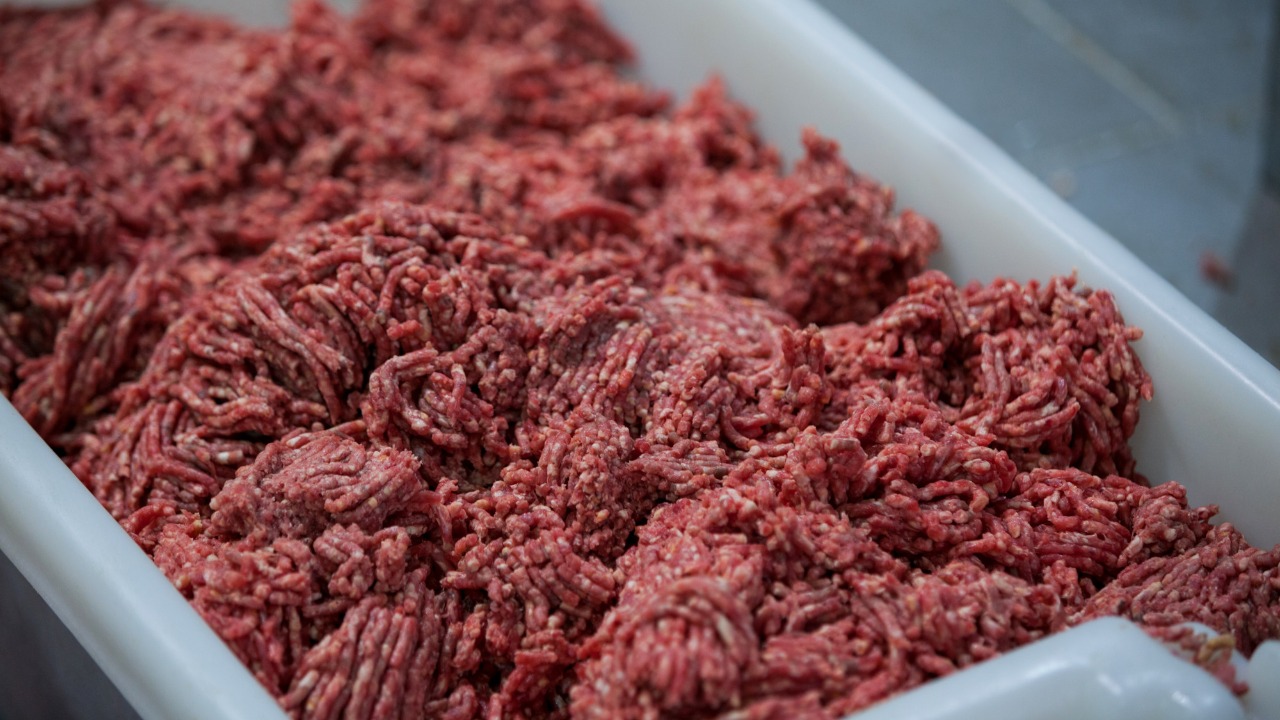

Nearly 3,000 pounds of ground beef have been pulled from store shelves in six states after federal officials flagged a risk of contamination with E. coli O157:H7, a strain that can cause severe and sometimes life-threatening illness. The recall affects specific one-pound packages sold at select retailers, and authorities are urging consumers to check their freezers as well as their refrigerators.
No illnesses had been confirmed when the recall was announced, but the U.S. Department of Agriculture (USDA) is treating the situation as a serious public health concern because the contaminated meat may still be in people’s homes and could be eaten if it is not identified and discarded or properly handled.
How the multi-state ground beef recall unfolded
The recall centers on approximately 2,961 pounds of raw ground beef produced by Forward Farms, which operates under the establishment number “EST. 960A.” According to federal food safety officials, the products were shipped to retailers in six states: Alabama, Georgia, Indiana, Michigan, Ohio, and Tennessee. The affected packages are one-pound chubs labeled as 80 percent lean ground beef, with specific lot codes and a use-or-freeze-by date tied to a single production run, as detailed in the federal recall notice and subsequent coverage of the nearly 3,000 pounds involved.
Investigators triggered the recall after routine testing detected E. coli O157:H7 in a sample of the product. The USDA’s Food Safety and Inspection Service (FSIS) then traced that positive sample back to a specific lot produced at the Forward Farms facility. Once the contamination was confirmed, the company initiated a voluntary recall in coordination with FSIS, as described in reports on the Forward Farms recall.
Public health officials have emphasized that, at this stage, the recall is precautionary. There have been no confirmed reports of people getting sick from this batch of meat. Even so, the agency warns that some of the product may already have been purchased and possibly frozen for later use, which is why consumers in the six affected states are being urged to review any ground beef in their homes that matches the brand, lot codes, and use-or-freeze-by date listed in the recall announcement.
Health-focused outlets have also noted that the affected beef was sold through specific grocery chains in pre-packaged one-pound tubes, rather than from in-store meat counters, which makes it easier to match the labels and codes against the recall details. Coverage of the January ground beef has stressed that consumers should not rely only on where they shop, but should instead check the printed information on each package.
Why the E. coli risk from this beef matters for shoppers now
Nearly 3,000 pounds may sound modest compared with some previous meat recalls, but the pathogen involved here is one of the most dangerous types of foodborne bacteria. E. coli O157:H7 can cause severe abdominal cramps, bloody diarrhea, vomiting, and in some cases hemolytic uremic syndrome, a form of kidney failure that can be fatal, especially for children, older adults, and people with weakened immune systems. Federal health experts cited in coverage of the multi-state contamination have warned that even a small amount of this strain can make someone very sick.
The recall also matters because ground beef is a staple in many households and is often prepared in ways that increase the risk of undercooking. Burgers cooked on backyard grills, skillet tacos, and meat sauces can all look browned on the outside while still harboring live bacteria inside if the internal temperature has not reached 160 degrees Fahrenheit. As food safety specialists have explained in coverage of the current recall, color alone is not a reliable indicator of doneness.
This recall is also drawing attention because it follows a series of recent meat and poultry safety alerts that have left consumers feeling whiplash at the grocery store. Late last year, for example, shoppers were already dealing with separate ground beef recalls tied to different pathogens and brands. Health reporters covering the December 2025 recall noted that repeated warnings can lead to fatigue, where people start tuning out safety alerts even when the risk is real.
Public health agencies are trying to counter that fatigue by giving very specific guidance. For this recall, consumers who have the affected Forward Farms products are being told to either throw them away or return them to the store for a refund. They should not attempt to taste or smell the meat to see if it is bad, since E. coli contamination does not change the appearance or odor of the product. Federal authorities also recommend washing hands, utensils, cutting boards, and any surfaces that may have come into contact with the raw meat, to avoid cross-contamination with other foods.
Experts are also using this moment to reinforce broader food safety habits that apply beyond this single recall. That includes thawing frozen ground beef in the refrigerator rather than on the counter, keeping raw meat separate from ready-to-eat items, and using a dedicated cutting board for raw animal products. Articles aimed at home cooks, such as those covering the recent E. coli, have encouraged households to keep an inexpensive digital thermometer near the stove or grill and to make checking internal temperatures a routine step.
How regulators and consumers are likely to respond next
In the short term, FSIS will continue to monitor for any illness reports that might be linked to the recalled beef. If state or local health departments identify E. coli O157:H7 cases with matching genetic fingerprints, officials can use that information to refine their investigation and decide whether additional products or distribution areas need to be added to the recall. Coverage of the initial announcement notes that such investigations can take time, since patients may not seek care right away and lab testing can take several days.
Forward Farms, for its part, faces both regulatory scrutiny and reputational pressure. The company is expected to review its slaughter and grinding processes, sanitation procedures, and verification testing programs to identify how a contaminated lot made it through to the packaging stage. Business coverage of the six-state recall has pointed out that even a relatively small recall can be costly once product disposal, plant adjustments, and potential legal exposure are factored in.
Food safety advocates are also watching to see whether this incident prompts broader regulatory moves. In recent years, USDA has expanded its use of pathogen performance standards and has increased the frequency of testing in high-risk product categories. Analysts who track federal policy, including those commenting on the USDA announcement, argue that consistent enforcement and transparent reporting are key to keeping pressure on producers to maintain strong safety systems.
For consumers, the next steps are more practical than political. People who live in Alabama, Georgia, Indiana, Michigan, Ohio, or Tennessee and who bought ground beef in recent weeks should look for one-pound tubes with the Forward Farms branding, the establishment number “EST. 960A,” and the listed lot codes. If the information matches, they should treat the product as recalled, even if it has been frozen since purchase. Lifestyle coverage of the six-state notice has stressed that freezing does not kill E. coli, it only pauses bacterial growth until the meat is thawed.
Public health messaging will likely continue to emphasize that recalls are a sign that the system is catching problems, not that every product is unsafe. At the same time, repeated incidents keep pressure on meat processors to invest in better controls, from more rigorous testing of incoming cattle to improved sanitation of grinding equipment. Detailed reporting on the current contamination risk suggests that consumers should view recall alerts as prompts to sharpen their own safety habits rather than as isolated scares.