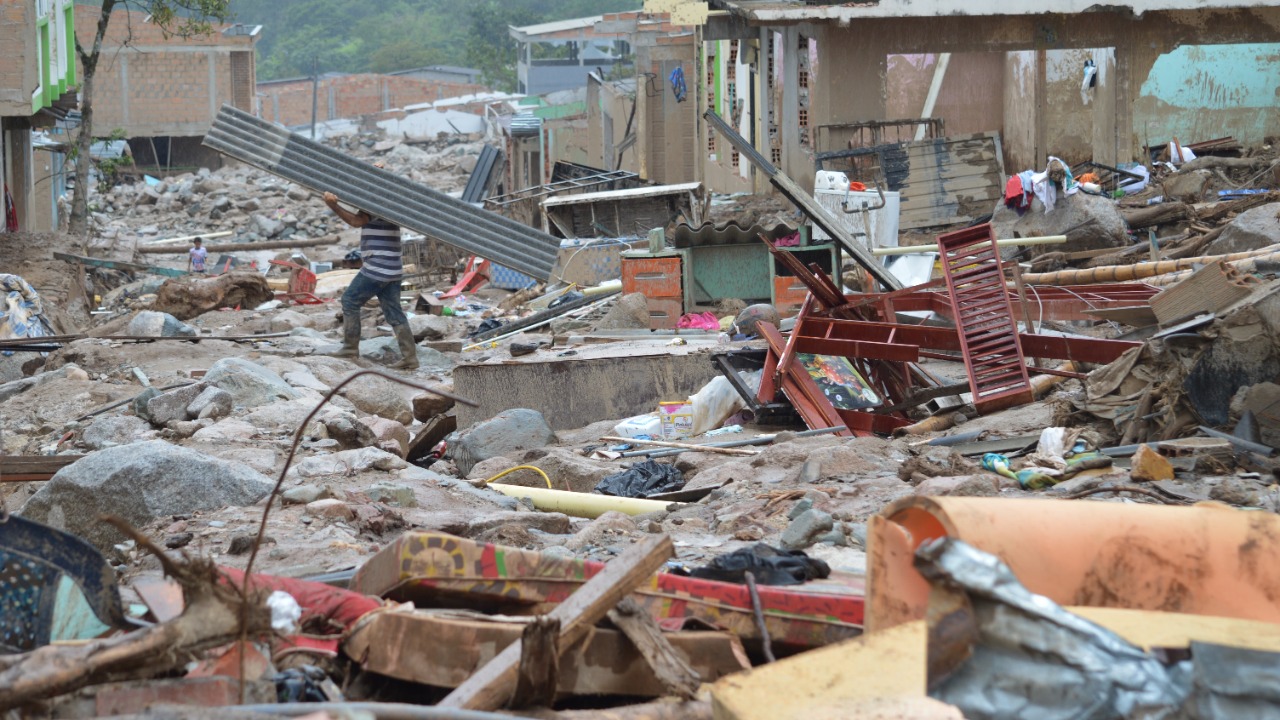

Two powerful earthquakes striking in quick succession have torn through Venezuela’s capital region, injuring more than 4,000 people and crushing entire apartment blocks into concrete slabs. The twin shocks, centered near Caracas, have turned dense urban neighborhoods into disaster zones and exposed the country’s fragile infrastructure and strained emergency services. As rescuers race the clock, the scale of the damage is forcing a reckoning with how Venezuela builds, governs and survives in an era of overlapping crises.
How the twin quakes reshaped Caracas in a matter of minutes
The first major quake hit central Venezuela with enough force to topple multistory buildings in and around Caracas, followed by a second strong tremor that compounded the destruction. Together, the shocks killed at least 164 people and injured more than 4,000, according to early tallies that have already surpassed initial estimates of 32 dead and 700 injured reported in the immediate aftermath of the disaster. The death toll has risen as search teams reach collapsed structures that were initially cut off by rubble and damaged roads.
Entire residential blocks in Caracas have been reduced to twisted metal and broken concrete, with satellite imagery showing long strips of flattened buildings and thick bands of debris where streets once ran clearly between intact rooftops. In some central districts, before-and-after images reveal continuous rows of housing replaced by jagged, gray scars, a sign of both the force of the shaking and the vulnerability of older, poorly reinforced structures. These flattened buildings illustrate how the quakes hit hardest in dense, low income neighborhoods built on unstable hillsides and filled with informal construction.
Rescue workers have focused on mid-rise apartment towers that pancaked into themselves, where families were likely trapped in bedrooms and stairwells when the first quake struck. In several cases, firefighters and volunteers have had to tunnel through layers of concrete by hand because heavy machinery could not safely reach the site or risked triggering further collapse. The second major tremor complicated those efforts, forcing teams to pull back repeatedly as aftershocks rattled already fractured columns and beams.
Hospitals in Caracas and nearby cities have been flooded with patients suffering crush injuries, broken limbs and trauma from falling debris. Medical staff have reported treating children pulled from collapsed schools and elderly residents rescued from nursing homes where ceilings caved in. With power outages affecting parts of the capital, some emergency rooms have relied on backup generators and improvised triage areas in parking lots and courtyards.
Why the disaster’s timing and location amplify its impact
The earthquakes struck a country already worn down by years of economic crisis, infrastructure decay and mass migration. Venezuela’s public services, from electricity to health care, were under strain long before the ground shook. That context helps explain why a natural hazard turned into a catastrophe that has injured more than 4,000 people and left thousands more homeless in the capital region.
Early reports from authorities counted 32 fatalities and 700 injuries, a figure that reflected the limited information available from isolated neighborhoods and damaged communication lines. As rescue teams expanded their reach and international observers arrived, the confirmed toll climbed to 164 dead and over 4,000 injured, showing how quickly the picture changed once crews could enter collapsed buildings and search basements and underground parking garages. Initial government statements acknowledging 32 deaths and now sit against a far grimmer reality.
The location of the epicenters, close to the capital’s dense urban core, meant critical infrastructure took a direct hit. Bridges on key access routes cracked or shifted out of alignment, slowing the arrival of heavy equipment and medical supplies. Several water mains ruptured, cutting off service to neighborhoods that also lost electricity when substations and transmission lines were damaged. In a city already accustomed to rolling blackouts and intermittent water supply, the quakes turned chronic inconvenience into acute risk for sanitation and public health.
Caracas also houses the central nodes of Venezuela’s political and economic power, including ministries, the central bank and major state owned companies. While most of these buildings appear to have withstood the shaking better than older residential blocks, damage to government offices and data centers has complicated coordination of relief operations. Officials have had to rely on ad hoc communication networks and local command posts set up in stadiums, schools and open plazas.
The timing has geopolitical dimensions as well. Venezuela has limited access to international credit and has seen years of sanctions and diplomatic isolation. That reality constrains the government’s ability to quickly import specialized equipment, temporary housing and medical supplies at the scale a disaster of this magnitude requires. Offers of assistance from neighboring countries and humanitarian organizations are arriving into a political environment that has often treated outside involvement with suspicion, which could slow formal agreements on large scale aid missions.
How rescue efforts and public anger are shaping the immediate response
On the ground, the most visible change since the quakes has been the surge of improvised rescue brigades in Caracas neighborhoods. Residents have formed human chains to move rubble, shared food and water with strangers and opened private courtyards as staging areas for emergency crews. In many districts, these local networks arrived before formal responders, reflecting both community resilience and gaps in state capacity.
Professional search and rescue teams, including firefighters, military units and specialized urban search squads, have concentrated on the largest collapses, where the probability of survivors trapped in air pockets remains highest. Reports from several sites describe rescuers working in shifts through the night, listening for faint tapping or voices and using sniffer dogs and acoustic sensors to locate people under thick layers of debris. International experts familiar with similar operations in Turkey and Mexico have warned that the window for live rescues narrows sharply after the first few days, which has added urgency to every hour of digging.
The growing casualty figures have fueled public anger over building standards and enforcement in Caracas. Many of the worst collapses involved structures put up during past construction booms, when oversight was lax and seismic codes either outdated or ignored. Engineers reviewing footage of pancaked towers have pointed to inadequate reinforcement, soft ground floors used as parking garages and heavy rooftop additions that increased the load on already marginal designs. For residents who lost family members in these buildings, the disaster feels less like an unavoidable act of nature and more like the result of years of official neglect.
Authorities have begun promising investigations into contractors and inspectors responsible for the most catastrophic failures, but survivors have heard similar pledges after previous smaller quakes and landslides. The difference now is scale. The twin shocks have touched nearly every family in the capital region, either through direct injury, property loss or the disappearance of friends and colleagues. That breadth of impact raises the political stakes for any inquiry that stops short of holding powerful developers or officials to account.
Rebuilding, accountability and the long shadow of the twin quakes
As the immediate rescue phase gives way to recovery, Venezuelan officials face a series of difficult choices about where and how to rebuild. Tens of thousands of residents from the most damaged districts cannot safely return to their homes, either because buildings are structurally compromised or entire blocks have been condemned. Temporary shelters in schools, sports arenas and church halls are already crowded, and families are bracing for months of displacement.
Urban planners and seismologists have urged the government to treat the disaster as a turning point for building policy in Caracas. That means not only enforcing stricter seismic codes on new construction, but also retrofitting critical existing structures such as hospitals, schools and high density housing. The cost of such a program would be enormous for a cash strapped state, yet the alternative is a city that remains vulnerable to the next major quake along the same fault lines.