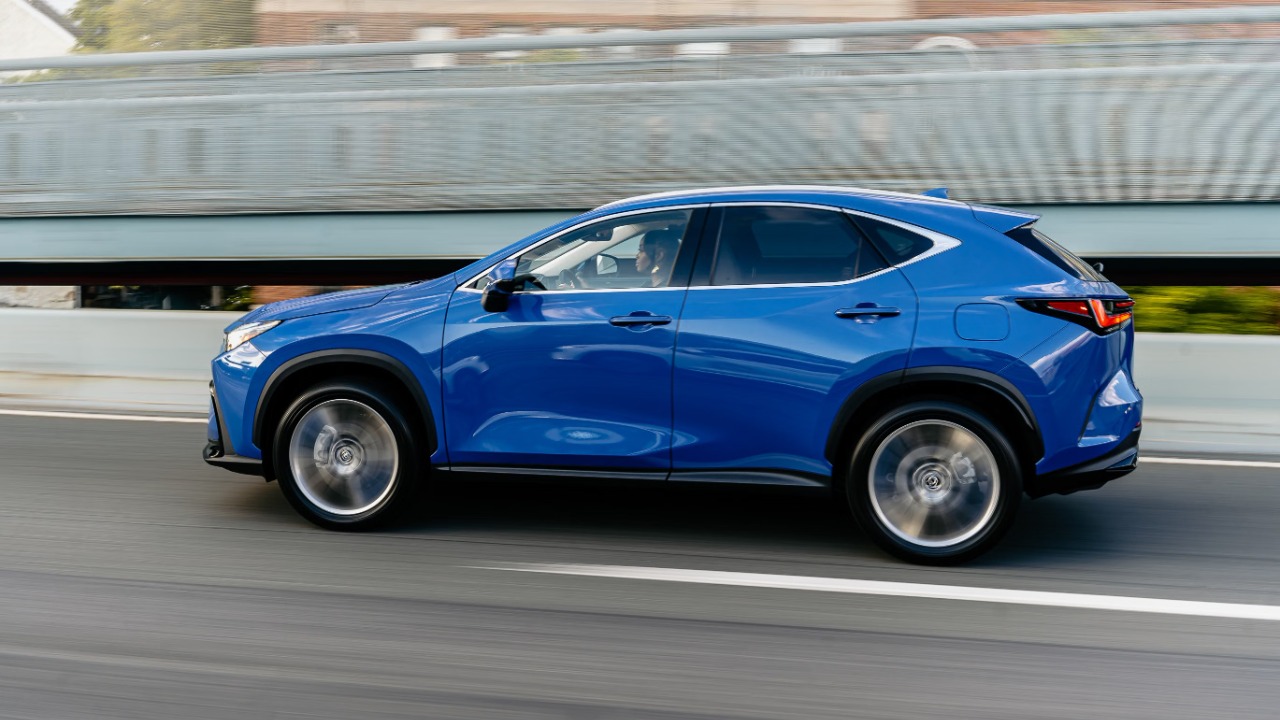

Toyota, Lexus and Subaru have once again risen to the top of Consumer Reports’ reliability rankings for 2026, reinforcing reputations built over decades of data and owner feedback. Their performance in the latest scores does more than crown familiar champions; it underscores a widening gap between brands that treat reliability as a core product feature and those still wrestling with complex new tech and powertrains.
For shoppers facing record new-car prices, long loan terms and fast-changing technology, the takeaway is straightforward: if dependability comes first, these three Japanese brands remain among the safest bets across a wide range of segments and price points.
How Consumer Reports’ 2026 rankings shifted the reliability leaderboard
Consumer Reports bases its reliability scores on detailed owner surveys that track problems across 17 trouble areas, from engines and transmissions to in-car electronics. For the 2026 model year, that data again pushed Toyota, Lexus and Subaru to the front of the pack, ahead of many European and American rivals, according to the latest reliability analysis. The rankings weigh both the frequency and severity of reported issues, so minor glitches do not carry the same weight as major drivetrain failures.
The new list extends a pattern that has been building over several survey cycles. Earlier reliability reports already showed Toyota and Lexus clustered near the top, supported by strong showings for models like the Toyota Corolla, Toyota Camry and Lexus RX, as detailed in prior new-car ratings. Subaru has climbed steadily as well, helped by consistent results for the Subaru Forester and Subaru Outback. The 2026 rankings confirm that these gains were not a blip but part of a longer-term shift.
The shake-up becomes clearer when viewed against brands that lost ground. Consumer Reports’ 2026 coverage of least reliable vehicles shows several luxury and mass-market nameplates dragged down by chronic infotainment glitches, transmission issues and premature component failures. Some of those brands excel in performance or design, but their reliability scores fell well below the levels posted by Toyota, Lexus and Subaru.
The rankings also capture how each automaker has managed the transition to hybrids and electric vehicles. Consumer Reports’ data indicates that Toyota’s hybrid systems, used in models such as the Prius and RAV4 Hybrid, remain among the most trouble-free electrified powertrains on the market. Lexus has leveraged similar technology in its hybrid SUVs and sedans, helping it maintain top-tier reliability even as it adds more electrified options. Subaru, which has moved more cautiously into full electrification, has focused on incremental updates to its gasoline and hybrid models, a strategy that appears to have limited unexpected problems in the 2026 lineup.
Why top reliability from Toyota, Lexus and Subaru matters for buyers right now
Reliability scores are more than bragging rights for automakers. They directly affect ownership costs, resale values and even safety. A vehicle that spends less time in the shop and more time on the road tends to hold its value better and gives owners more confidence on long trips or in harsh weather. That is one reason Consumer Reports’ reliability data heavily influences both new and used car recommendations, including its list of top used cars that frequently features Toyota, Lexus and Subaru models.
In the used market, where many budget-conscious shoppers focus, these rankings can matter even more. A ten-year-old Toyota or Subaru with a solid reliability record can be a smarter purchase than a newer vehicle from a less dependable brand, especially when repair costs for modern electronics and turbocharged engines can quickly erase any savings on the purchase price. The same logic applies for luxury buyers who might choose a pre-owned Lexus over a newer but more repair-prone European rival.
The 2026 results also arrive as many brands load vehicles with advanced driver assistance systems and complex infotainment suites. Consumer Reports’ scoring shows that these features are among the most common sources of owner complaints, particularly when software updates are frequent or interfaces are unintuitive. Brands that have rushed systems to market have seen reliability scores suffer, while Toyota, Lexus and Subaru have largely favored gradual rollouts and conservative calibration, a pattern reflected in the latest brand rankings.
Longer loan terms are another reason the 2026 reliability picture matters. With more buyers stretching payments over six or seven years, a vehicle that starts having major issues in year four or five can become a serious financial strain. Consistently high reliability scores suggest that many Toyota, Lexus and Subaru models are better suited to that kind of extended ownership, which helps explain their strong lease residuals and trade-in values.
The gap between the most and least reliable brands also has implications for safety. Reliability scores do not directly measure crash performance, but repeated failures in critical systems such as brakes, steering or engine management can increase risk on the road. Consumer Reports’ coverage of problem-prone models highlights how some vehicles struggle with these components, while Toyota, Lexus and Subaru generally post fewer such issues.
How Toyota, Lexus and Subaru built a 2026 reliability edge
The latest rankings stem from long-term engineering and product planning choices. Toyota and Lexus have become known for evolutionary updates rather than radical redesigns, giving engineers time to refine components over multiple model years. That approach is reflected in Consumer Reports’ findings that many of their core models score above average or better for reliability, as noted in survey-based scores. Subaru follows a similar pattern, often carrying over proven engines and transmissions while adding safety features like its EyeSight driver assistance suite.
How these brands handle new technology is another factor. Toyota’s hybrid systems, for example, were introduced years before many competitors and have been steadily updated rather than completely reinvented. Consumer Reports’ earlier list of reliable new models already highlighted several Toyota and Lexus hybrids as standouts, and the 2026 rankings indicate that pattern has continued. Subaru’s more cautious roll into full battery-electric vehicles has likely limited the number of early-adopter problems that can drag down reliability scores.
Even so, the 2026 results show that not every model from these brands is flawless. Some larger SUVs and newer powertrains have generated more complaints than long-running nameplates, and Consumer Reports’ breakdown of trouble spots includes a few vehicles from otherwise strong manufacturers. That nuance matters for shoppers who might assume that a high brand score guarantees bulletproof performance across the board.
Still, the overall pattern is clear. When the survey data is aggregated across entire portfolios, Toyota, Lexus and Subaru land near the top of the reliability charts in 2026, while several rivals cluster much lower. That spread reflects not just individual engineering decisions but corporate cultures that reward durability and restraint, even when marketing departments push for more aggressive styling or faster tech rollouts.
What the 2026 reliability rankings signal for the next wave of car buying
Looking ahead, the dominance of Toyota, Lexus and Subaru in Consumer Reports’ 2026 reliability scores is likely to shape both product planning and consumer behavior. Automakers that landed near the bottom of the rankings face pressure to rethink software strategies, supplier choices and testing protocols, especially for electric vehicles and advanced driver assistance systems. Brands that consistently appear on lists of least reliable models risk long-term damage to their reputations if they do not show measurable improvement.
For buyers, the 2026 data provides a clearer roadmap. Shoppers focused on long-term ownership can lean more heavily on Consumer Reports’ brand and model-level scores, cross-referencing them with lists of recommended used vehicles and recent new-car evaluations. That approach favors brands like Toyota, Lexus and Subaru, whose vehicles tend to perform well both when new and as they age.
The rankings are also likely to influence how dealers stock inventory and structure incentives. Vehicles with strong reliability reputations often require fewer discounts to move off lots, while less dependable models may need heavier incentives or longer warranties to reassure buyers. Over time, that dynamic can shift which models receive investment and which quietly disappear from lineups.