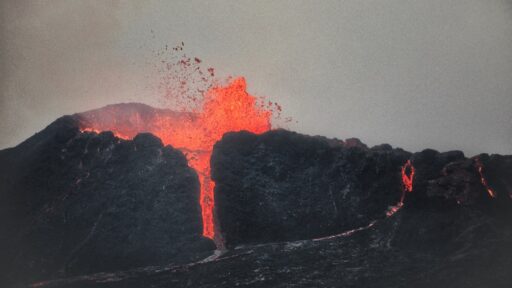
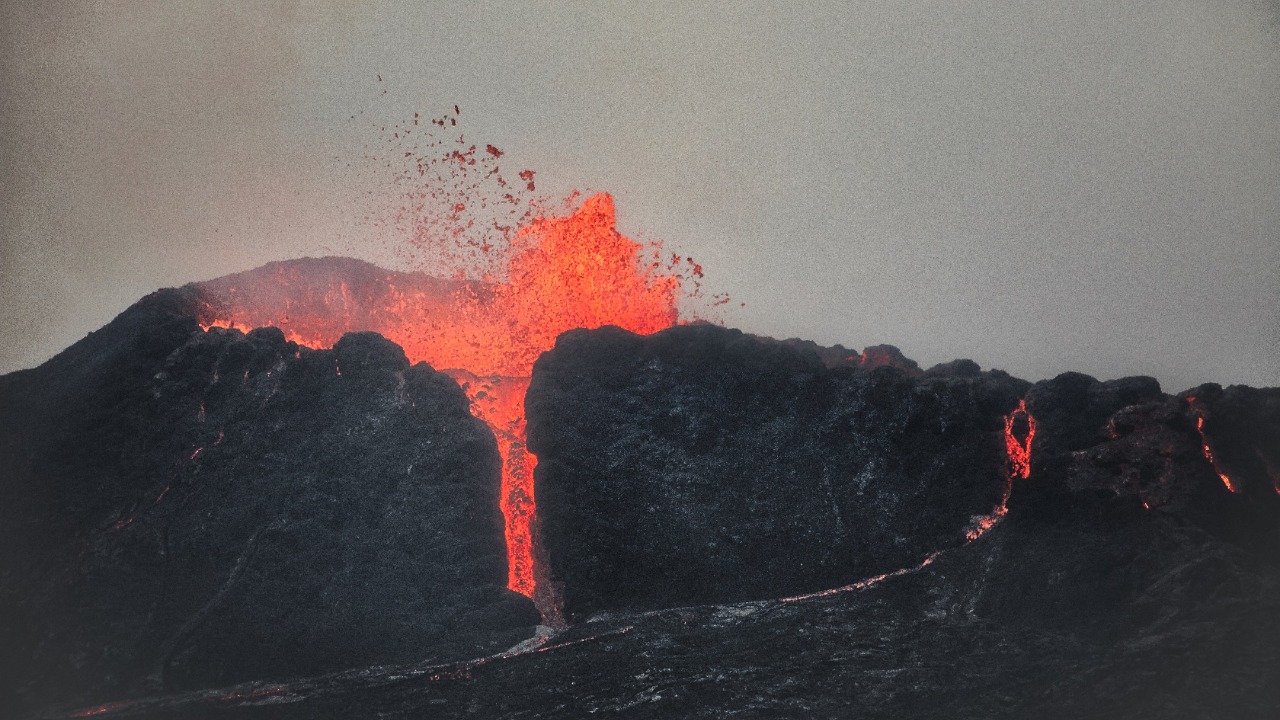

On Iceland’s Reykjanes Peninsula, the ground has entered a restless phase, splitting open again and again in a chain of fissure eruptions close to the fishing town of Grindavík. What was once viewed as a rare volcanic episode now looks more like the early years of a long-lived cycle that is reshaping both the landscape and life in southwest Iceland. The pattern of repeated magma intrusions, surface cracking and sudden lava outbursts has turned this corner of the country into a live experiment in how a modern society copes with a reawakening volcanic system.
How a quiet peninsula turned into a fissure eruption zone
For centuries, the Reykjanes Peninsula sat in what volcanologists often called an “unusually quiet” state, with no eruptions recorded for about 800 years. That changed when magma began forcing its way upward beneath the peninsula, cracking the crust and producing the first in a series of fissure eruptions that have since cut across the lava fields north of Grindavík. The renewed activity ended that centuries long pause and confirmed that the peninsula had slipped back into an eruptive era.
Unlike classic cone-shaped volcanoes, the Reykjanes system expresses its power through long, linear tears in the ground where magma reaches the surface in curtains of fire. Witnesses have described how the earth suddenly rips open along these lines, with lava fountains bursting from fresh fractures that can stretch for hundreds of meters. During one early eruption, microphones and seismometers captured the moment the crust failed, turning the ripping and roaring of the opening fissure into an eerie soundscape that researchers later shared through acoustic recordings.
The town of Grindavík sits uncomfortably close to some of these active rift segments. Magma has repeatedly intruded beneath and around the community, warping roads, cracking buildings and forcing evacuations as authorities tried to stay ahead of where the next fissure might open. In several episodes, lava flows advanced across previously stable ground, cutting infrastructure and threatening the geothermal power and hot water systems that serve the wider region.
What has changed in the Reykjanes pattern of unrest
The most striking change on the Reykjanes Peninsula is the shift from isolated events to a sustained pattern of unrest. Rather than a single eruption followed by a long quiet period, the system has produced multiple fissure outbreaks over just a few years, each preceded by swarms of earthquakes and rapid ground deformation. This repeating cycle suggests that magma is now moving more efficiently from depth into shallow reservoirs beneath the peninsula, priming the crust for further ruptures.
Geophysical measurements show that segments of the plate boundary under Reykjanes are actively spreading, which allows magma to exploit existing weaknesses and carve new pathways to the surface. The result is a patchwork of grabens and surface fractures that cut across roads, pipelines and even residential streets in and around Grindavík. Residents have watched familiar landmarks tilt and split as the ground stretches and sinks along these volcanic rifts.
The human response has shifted as well. In earlier episodes, authorities treated each eruption as a discrete emergency, focused on temporary evacuations and short term road closures. As the sequence lengthened, emergency managers began planning for long duration disruption, reinforcing protective walls around key infrastructure, mapping new hazard zones and refining evacuation routes for both locals and tourists. The repeated closures of the nearby Blue Lagoon spa and the periodic shutdowns of roads leading into the area illustrate how a chronic volcanic threat differs from a one off event.
Why the grinding fissures near Grindavík matter right now
The ongoing fissure activity near Grindavík matters for three intertwined reasons: safety, infrastructure and the broader understanding of how rift volcanoes behave. Safety comes first. Each new intrusion brings a fresh round of earthquakes, ground cracking and potential lava flows that can cut escape routes or damage homes with little warning. Tourists drawn to the spectacle have had to be evacuated from viewing areas on short notice as new vents opened along the active rift, with local authorities repeatedly clearing visitors from the Reykjanes lava fields to avoid people being trapped by fast moving flows or toxic gas, as highlighted when tourists were evacuated from the area.
Infrastructure is the second pressure point. The Reykjanes Peninsula hosts critical geothermal plants that generate electricity and hot water for a large share of Iceland’s population. Fissure eruptions and associated ground movement threaten pipelines, high voltage lines and access roads that tie these plants into the national grid. Even when lava does not overrun a facility directly, ash, gas and seismic shaking can force temporary shutdowns that ripple through the energy system and the wider economy.
The third factor is scientific and global relevance. The Reykjanes cycle offers a rare, real time view of how a rifted plate boundary wakes up after centuries of dormancy. Researchers are using dense networks of seismometers, GPS instruments and gas sensors to track how magma migrates through the crust and how the surface responds. The data help refine hazard models not only for Iceland but also for other volcanic rift zones, from East Africa to parts of the western United States, where similar processes could threaten communities that have expanded across old lava fields.
For Icelanders, the renewed activity also has a psychological weight. The country is accustomed to eruptions, yet many residents built their lives on the assumption that Reykjanes was effectively dormant. The return of frequent fissure events has forced a reassessment of where it is safe to build, how to insure property and how to balance the draw of volcano tourism with the reality that the ground underfoot is literally pulling apart.
How repeated fissure eruptions are reshaping daily life and the economy
Daily life around Grindavík has been repeatedly interrupted by evacuation orders, road closures and the constant hum of monitoring activity. Families have had to leave homes on short notice as new cracks opened across town streets, sometimes returning weeks later to find foundations shifted or utilities cut. Businesses that rely on steady tourist traffic, from guesthouses to tour operators, now operate under the shadow of sudden cancellations whenever seismic activity spikes.
The economic impact extends far beyond the immediate hazard zone. The Reykjanes Peninsula lies close to Keflavík International Airport, the main gateway for visitors to Iceland. While aviation authorities have kept flights operating during most of the recent eruptions, each new event raises concerns about ash clouds, airspace restrictions and the perception of risk among travelers. Tour companies that market “volcano tours” must constantly adjust itineraries to keep visitors away from dangerous vents while still offering a view of the changing landscape.
At the same time, the eruptions have created new opportunities for scientific tourism and education. Visitors can see fresh lava fields, steaming vents and newly formed craters within a relatively short drive of Reykjavík, guided by experts who explain the underlying tectonic processes. That appeal has to be balanced against the reality that the same forces drawing tourists are the ones displacing residents and straining local services.
Nationally, the Reykjanes cycle has prompted debates over how much to invest in permanent protective structures, such as lava diversion walls, versus accepting that some areas may no longer be viable for long term settlement. The cost of reinforcing infrastructure, compensating displaced residents and maintaining a high level of monitoring is significant, yet the alternative is to risk sudden, catastrophic losses if an eruption cuts through a densely built area without adequate preparation.
What might come next for Grindavík and the Reykjanes Peninsula
Volcanologists caution that the current Reykjanes sequence could last for decades, based on historical patterns of rift zone activity in Iceland. The 800 year slumber that preceded the latest eruptions ended when magma once again began exploiting the plate boundary beneath the peninsula, a process that has already produced multiple surface ruptures and could continue in pulses. One report described how the earth cracked open as residents fled, a scene that may repeat if new fissures align closer to populated areas.