
Toyota’s reputation for durability just gained another data point: in a recent study of vehicles most likely to reach 250,000 miles, the company captured 10 of the top 25 spots. That kind of dominance is rare in any ranking, and it reinforces how deeply reliability shapes both buyer loyalty and used-vehicle values. For shoppers trying to stretch every dollar, the findings help explain why certain nameplates keep commanding long waitlists and strong resale prices.
How the latest longevity rankings reshaped the reliability hierarchy
The new analysis of high-mileage vehicles examined odometer readings across the used market and identified models that most frequently crossed the 250,000 mile threshold. According to the study, Toyota accounted for 10 of the 25 vehicles most likely to reach that milestone, with a mix of body-on-frame SUVs, pickups, and long-running family haulers topping the chart. Because the methodology focused on real-world registrations, it offers a clearer view of how vehicles age in daily use rather than in controlled testing.
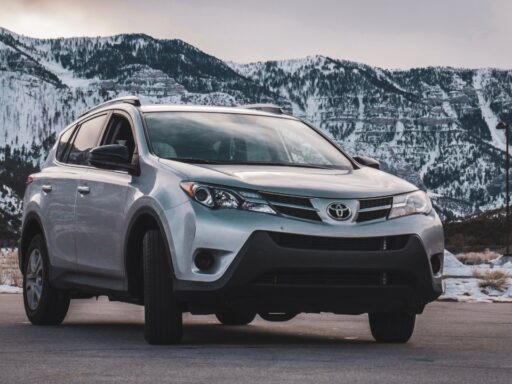
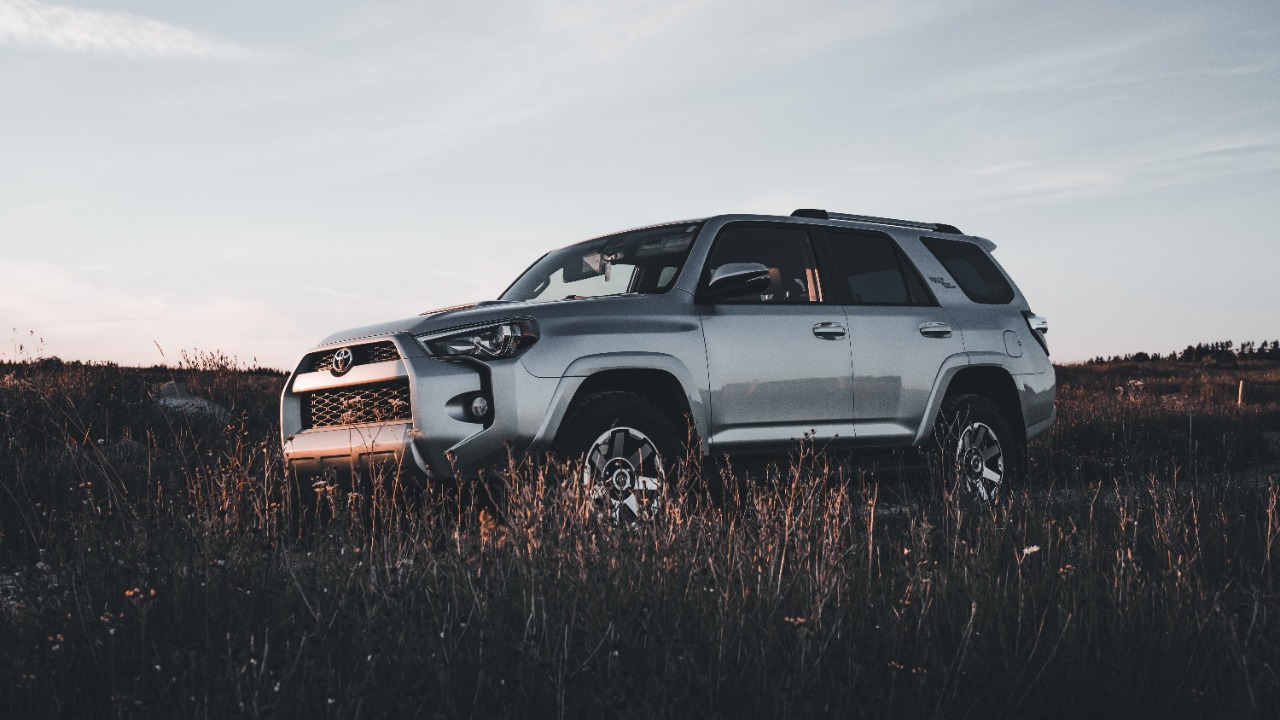
The list skews heavily toward larger, truck-based models, which often share components across multiple nameplates. Toyota’s full-size SUVs and pickups have long been known for conservative engineering and incremental updates, traits that appear frequently among the vehicles that logged the most miles. The ranking also included several crossovers and minivans, reflecting how many American households rely on a single vehicle for commuting, family transport, and road trips over a decade or more.
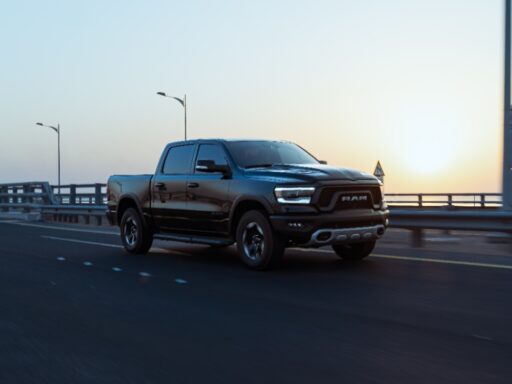
One of the more striking details from the high-mileage report is what it did not include. According to an analysis of the same data, one American vehicle appeared among the longest-lasting models at 250,000 miles. That absence does not mean domestic brands never reach high mileage, but it highlights how consistently certain Japanese nameplates, led by Toyota, show up when the bar is set that high.
The study’s findings align with broader sales patterns. Compact and midsize Toyotas have been among the world’s most popular vehicles for years, and models such as the Corolla have ranked as the best-selling small car globally. High volume alone does not guarantee longevity, but it does provide a large sample of vehicles for analysts to track, which makes Toyota’s overrepresentation in the 250,000 mile club even more notable.
Why Toyota’s durability edge matters for owners, shoppers, and the used market
For buyers, Toyota’s dominance on a list of vehicles most likely to reach 250,000 miles is more than trivia. It translates directly into how much a vehicle costs to own over time. A car or SUV that reliably lasts longer spreads its purchase price across more years and miles and often requires fewer major repairs along the way. That combination is one reason Toyota models frequently show up near the top of rankings for resale value and total cost of ownership.
Recent research into depreciation patterns backs that up. An analysis of resale performance found that several Toyotas rank among the top 25 cars that hold their value best, with some trucks and SUVs retaining a particularly high share of their original price, while other models fall into the group of the 25 worst for resale. The spread between the best and worst performers can reach tens of thousands of dollars over a typical ownership period, which is why brand-level reliability reputations have such staying power.
Another breakdown of the 25 best and vehicles for resale value again highlighted how often Toyota trucks and SUVs land on the “best” side of the ledger. Models that appear both in high-mileage rankings and in strong resale lists effectively give owners a double advantage. They tend to last longer, and when owners finally decide to sell, the used market is willing to pay more for them.
The latest longevity study, detailed in a report on longest lasting cars, also outlines how Toyota’s consistency compares with rival brands. Several competitors place one or two models in the 250,000 mile group, but none match Toyota’s breadth across segments. That breadth matters for households that need different types of vehicles yet want the same expectation of durability, whether they are shopping for a compact commuter, a three-row family SUV, or a work truck.
Longevity rankings also influence fleet and commercial buyers, who put high annual mileage on their vehicles and monitor operating costs closely. When a single automaker appears repeatedly in data-driven lists of long-lasting models, it can tilt procurement decisions toward that brand. Over time, those choices feed back into the used market, because well-maintained fleet vehicles eventually become affordable options for individual buyers who still expect several years of life from a high-mileage purchase.
How Toyota’s approach to engineering and product planning supports long life
Toyota’s presence across the high-mileage rankings reflects a set of engineering and product decisions that favor conservative evolution over rapid reinvention. Many of the company’s longest-lasting vehicles ride on platforms that remain in production for extended periods, with mechanical components refined rather than replaced. That strategy can limit headline-grabbing innovation, but it reduces the risk of untested parts failing early in a model’s life.
The company has also built a reputation for prioritizing reliability in powertrain design. Naturally aspirated engines, relatively simple automatic transmissions, and widely shared components appear frequently in the models that reach 250,000 miles most often. When a single engine family powers several high-volume vehicles, independent mechanics become familiar with common issues and parts availability improves, which both support longer service lives.
Longevity is not just about hardware. Toyota’s dealer network and maintenance recommendations encourage regular service intervals, and many owners follow those schedules closely. The brand’s strong resale values give owners an incentive to keep vehicles in good condition, since documented maintenance can add thousands of dollars to a trade-in or private sale price. That feedback loop between durability, owner behavior, and residual value helps explain why the same nameplates keep appearing in multiple data sets.
At the same time, Toyota has been integrating hybrid systems into more of its lineup, which raises new questions about long-term reliability. Early hybrids from the company have already accumulated high mileage in taxi and ride-hail service, and many of those vehicles have crossed the 200,000 mile mark with original battery packs. The new longevity rankings suggest that electrified Toyotas are starting to join their gasoline-only counterparts in the high-mileage club, although long-term data on newer platforms is still developing.
What the 250,000 mile benchmark signals for the next decade of car buying
The finding that Toyota holds 10 of the top 25 spots for vehicles most likely to reach 250,000 miles comes at a moment when car prices and interest rates are squeezing household budgets. As more buyers stretch loans to six or seven years, the ability of a vehicle to last well beyond the payoff date becomes a central concern. High-mileage rankings give shoppers a way to separate marketing claims from real-world outcomes and put pressure on rivals to close the gap.
Looking ahead, the shift toward electrification will test whether Toyota can carry its durability edge into new segments. Electric vehicles have fewer moving parts, which in theory should support long life, but battery longevity and software support will define how many reach a quarter-million miles. Toyota’s cautious rollout of full battery-electric models, paired with its deep experience in hybrids, suggests it will try to translate its reliability playbook into the next generation of powertrains.
The 250,000 mile benchmark also has implications for sustainability. Vehicles that stay on the road longer reduce the frequency of manufacturing new replacements, which lowers the embedded emissions associated with production. If more automakers match Toyota’s performance on longevity, regulators and consumers may begin to treat high-mileage durability as a form of environmental responsibility, not just a financial benefit.