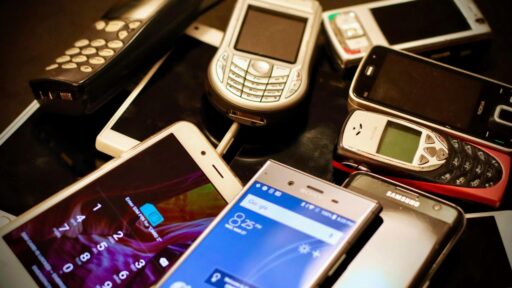
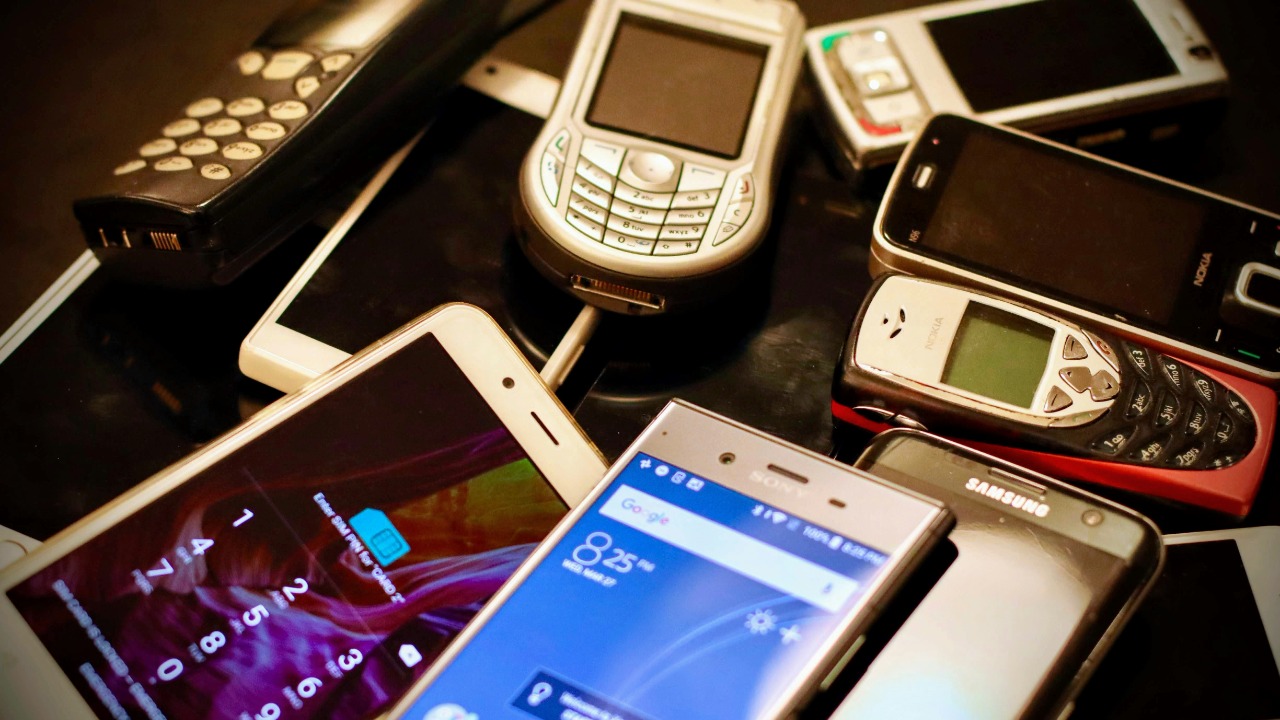

Households that held on to early iPods, clunky game consoles, or even avocado-green kitchen tools are discovering that “obsolete” does not always mean worthless. As collectors chase nostalgia and the supply of well-kept originals shrinks, some gadgets that once cost pocket money can now sell for hundreds or even thousands of pounds or dollars. For anyone staring at an overstuffed closet, that shift can turn a tidy-up session into a potential payday.
How once‑ordinary gadgets turned into valuable collectibles
Old electronics and home devices have moved from junk drawer status to collectible category as nostalgia, scarcity, and online resale platforms now intersect. As more people search for childhood favourites, prices for certain retro toys and gadgets have climbed, with some items in good condition selling for several thousand according to recent retro gadgets valuations. Limited production runs, discontinued formats, and fragile components all mean that surviving examples in working order are relatively rare.
Collectors often focus on items that defined a technological moment. Early handheld game consoles, first generation smartphones, and original MP3 players capture specific shifts in how people played, communicated, and listened to music. That emotional pull helps explain why an untouched Nintendo Game Boy or a boxed Apple iPod can attract aggressive bidding, especially if accessories and packaging are intact. Condition, completeness, and provenance now matter as much for electronics as they long have for vintage watches or vinyl.
The same pattern is visible well beyond entertainment tech. Retro kitchen devices, from brightly coloured stand mixers to mechanical egg beaters, have become design objects as much as tools. Collectors actively hunt for specific models and colours, and curated lists of vintage kitchen gadgets highlight how mid‑century appliances now trade for premium prices when they retain original finishes and working parts. For owners, that means a dusty appliance on a high shelf might be closer to a collectible than clutter.
Eight specific categories hiding in closets and attics
Not every old device is valuable, but several categories come up repeatedly among high resale prices. Early handheld game systems such as the Nintendo Game Boy, Sega Game Gear, and original Nintendo DS can fetch strong offers if they power on and have minimal screen damage. Special editions tied to franchises like Pokémon or The Legend of Zelda, and units still paired with their original game cartridges and boxes, tend to command the highest bids.
Classic home consoles from the 1980s and 1990s, including the Nintendo Entertainment System, Super Nintendo, Sega Genesis, and Sony PlayStation, are now core targets for retro gaming fans. Bundles that include controllers, cables, and popular titles often sell for more than the sum of their parts. Limited edition consoles or those with regional exclusives are especially sought after because production numbers were lower.
Early Apple products have also developed a strong collector following. First generation iPods, especially sealed units, and original iPhones in working order are frequent standouts. Devices that still hold a charge, boot correctly, and show minimal cosmetic wear typically rise to the top of resale listings. Packaging, original earbuds, and documentation can significantly increase value because they prove authenticity and completeness.
Older high‑end audio gear such as cassette decks, turntables, and stereo receivers remains attractive to enthusiasts who prefer analog sound. Brands with reputations for build quality, combined with features like manual controls and metal housings, help these components stand apart from modern plastic replacements. Many buyers also appreciate the repairability of older systems, which can extend their life and justify higher prices.
Retro kitchen appliances and tools occupy a growing niche where design and nostalgia overlap. Stand mixers in discontinued colours, chrome toasters with art deco styling, and enamel slow cookers from the 1970s often appear on collector wish lists. As guides to attic treasures point out, small domestic items that once seemed mundane can now be worth real money when they reflect a specific era’s look.
Early digital cameras, especially those from well‑known brands, have begun to attract attention. Models that marked the transition from film to digital photography, or that introduced now‑common features like optical zoom in compact bodies, appeal to both photographers and tech historians. Original cables and memory cards can help because many of these cameras use formats that are no longer standard.
Older personal computers and laptops, including early Apple Macintosh machines and IBM‑compatible desktops, can be surprisingly valuable if they still boot and include original keyboards and monitors. Systems that introduced iconic software or operating systems hold particular appeal, especially to collectors who want a fully working setup that reflects a specific year.
Even seemingly low‑tech items such as rotary phones, Bakelite radios, and mechanical alarm clocks have moved into the collectible space. Their value often rests on distinctive styling and materials rather than technical specifications. As interior designers incorporate these devices into retro‑themed rooms, demand for clean, working examples has increased.
Why these forgotten devices matter financially right now
Rising resale values intersect with broader financial pressures, which makes those forgotten gadgets more relevant. Guidance on how to earn extra cash by clearing out cupboards now regularly highlights old electronics as a straightforward way to raise funds while cutting clutter. Local reports on how to make some extra by recycling or selling devices stress that working phones, laptops, and gaming systems can bring in significantly more than standard scrap or trade‑in rates.
Specialist resale platforms have also made it easier to reach buyers who understand the value of specific models. Detailed guides on selling old gadgets point to dedicated marketplaces where sellers can list devices with clear condition grades and see recent sale prices before committing. That transparency helps owners decide whether to accept quick cash offers from trade‑in services or hold out for potentially higher returns on auction sites.
Environmental concerns add another layer of urgency. Many of the same devices that command collector interest contain metals and components that are costly to mine and difficult to dispose of safely. By reselling functioning gadgets rather than discarding them, owners extend product life cycles and reduce e‑waste, which aligns with growing pressure on manufacturers and consumers to support reuse and repair instead of constant replacement.
For families sorting through estates or long‑neglected storage, the financial stakes can be higher than expected. Attic and closet clear‑outs have uncovered rare toys, limited run electronics, and vintage household items that collectively add up to substantial sums. Coverage of household collectibles repeatedly shows that a single well‑preserved gadget can offset months of utility bills or contribute meaningfully to savings goals.
How to check value and what happens next for retro tech
Owners who suspect they might have a valuable device should start with a careful inspection. Photograph the gadget from multiple angles, include serial numbers where visible, and test basic functions without forcing anything that feels stuck or fragile. Cosmetic condition, especially screens, buttons, and logos, plays a major role in price. Cleaning should be gentle, with soft cloths rather than abrasive products, to avoid reducing value.
Research comes next. Compare the item against recent online listings and completed sales rather than asking prices alone. Search by exact model number and storage capacity, and filter for sold items to see what buyers actually paid. If the device appears in roundups of valuable attic finds, that can signal consistent collector interest, though individual condition still drives final price.
Choosing where to sell depends on priorities. Auction platforms and specialist forums often deliver the highest returns for rare items but require more effort, including detailed descriptions and interaction with buyers. Trade‑in services and local electronics shops offer faster, more predictable payouts, though usually at lower rates. Some owners combine strategies, using quick trade‑ins for common devices and reserving unusual or pristine items for collector‑focused channels.