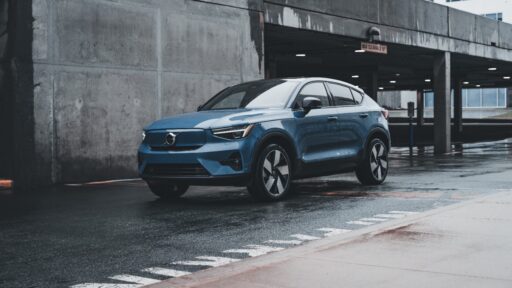
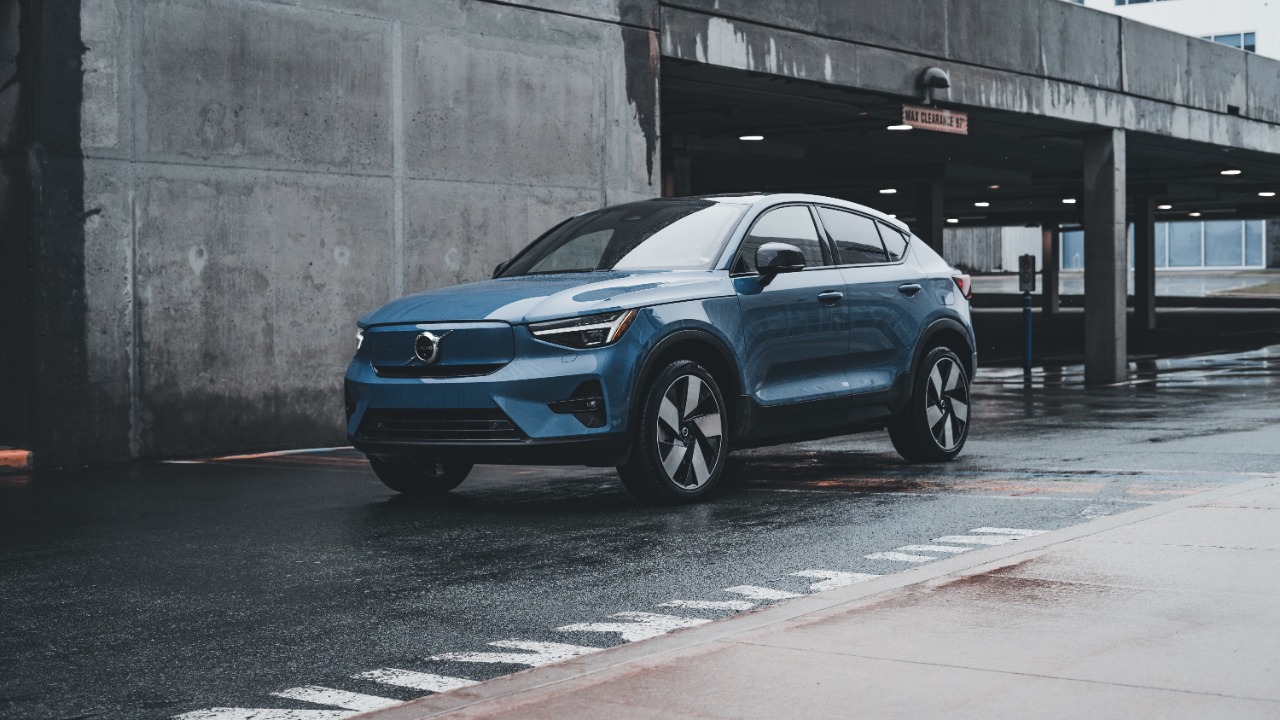

Volvo is reportedly preparing to retire the EX40 from its United States electric vehicle lineup and replace it with a new compact SUV that will be longer, taller and potentially much more affordable.
The upcoming model is expected to carry the Volvo EX50 name and arrive at American dealerships in fall 2027. However, Volvo has not officially confirmed the vehicle’s name, design, specifications or launch date. The early information comes from sources familiar with the company’s product plans, making the EX50 a reported future model rather than a fully announced production vehicle.
If the reports prove accurate, the EX50 will represent more than a conventional replacement for the EX40. It could become Volvo’s new entry point into the American electric SUV range, filling the space left by both the EX40 and the smaller EX30.
The Reported Volvo EX50 Will Be Bigger Than the EX40
The most significant early detail is that the EX50 will reportedly be both longer and taller than the outgoing EX40. Exact dimensions have not been disclosed, but the change suggests that Volvo intends to offer a more spacious cabin and greater everyday practicality without moving the vehicle into the larger EX60 category.
A longer body could provide additional rear-seat legroom, a larger cargo area or improved packaging for the battery. Greater height may also create more headroom and deliver the upright seating position many compact SUV buyers prefer.
This approach would address one of the central challenges facing small premium EVs. Buyers often want a vehicle that remains manageable in cities but provides enough space for passengers, luggage and family use. A larger EX50 could occupy a more commercially attractive middle ground than either the comparatively small EX30 or the aging EX40.
The EX50 name would also position the new model directly below the EX60 in Volvo’s electric SUV hierarchy. Although Volvo has not officially verified that name, it would follow the brand’s existing naming system, in which the number generally communicates the model’s position within the range.
A Lower Price Could Be the EX50’s Biggest Advantage
Reports suggest that the Volvo EX50 could start in the upper-$40,000 range in the United States. That would make it considerably less expensive than the current EX40, despite offering a larger exterior and potentially more interior space.
Volvo currently lists the 2026 EX40 with a starting price of $56,545, including its destination charge. The entry-level configuration offers rear-wheel drive and an EPA-estimated maximum range of up to 296 miles, while the twin-motor version provides all-wheel drive and up to 260 miles of estimated range.
A starting price below $50,000 would therefore give the EX50 a meaningful advantage over the vehicle it replaces. It could also make Volvo more competitive in a segment where buyers increasingly expect strong range, rapid charging, modern software and useful interior space without paying more than $55,000 before options.
The pricing strategy is especially important because the EX40 began life as the electric version of an existing combustion-engine SUV. It was originally known as the XC40 Recharge before Volvo renamed it the EX40 to align it with the company’s newer electric models. The vehicle remains practical and capable, but its underlying design comes from an earlier stage of Volvo’s electric transition.
The EX50, by contrast, is expected to be developed from the beginning as an electric vehicle.
Volvo’s SPA3 Platform Could Transform the Smaller SUV
The reported EX50 is expected to use Volvo’s SPA3 architecture, the same next-generation electric platform introduced with the EX60. This could be the most important difference between the EX50 and the outgoing EX40.
Volvo describes SPA3 as its most advanced electric vehicle architecture. The platform was developed to improve scalability, modularity, manufacturing efficiency and cost optimization. It incorporates technologies including cell-to-body battery integration, new electric motors, updated battery-cell designs and megacasting of large structural components.
These manufacturing changes matter because EV affordability is not determined only by battery prices. The number of components, complexity of assembly, vehicle weight, production time and ability to share technology across multiple models all influence the final price.
A smaller SPA3-based SUV could allow Volvo to reuse many of the EX60’s core systems while adjusting the wheelbase, battery capacity and motor configurations for a more affordable vehicle. Volvo created the architecture specifically to support different vehicle sizes, making the reported EX50 a logical next application.
SPA3 also supports the faster charging technology introduced with the EX60. Volvo says the EX60 can charge from 10 to 80 percent in as little as 16 minutes in selected configurations under suitable conditions. The company has not confirmed whether the EX50 will match that performance, but sharing the platform could give the smaller SUV access to substantially newer charging hardware than the EX40.
The EX50 Could Replace Two Volvo EVs in the US
The EX50 is reportedly intended to replace the EX40 while also assuming the entry-level role previously held by the EX30 in the American market. That would give one model a particularly important position within Volvo’s US electric strategy.
The EX30 entered the market as Volvo’s smallest and least expensive electric SUV, but the company decided to discontinue it in the United States after the 2026 model year. Tariffs, import costs and changes to American EV incentives contributed to the difficult commercial environment surrounding the model. The EX30 is expected to remain available in other international markets.
Replacing both vehicles with one larger, locally relevant product could simplify Volvo’s lineup. Instead of offering a very small entry model and a more expensive older compact SUV, Volvo could direct buyers toward a single modern vehicle priced between the two.
The EX50 would still need to avoid becoming too expensive after optional equipment is added. A starting price in the upper $40,000s would attract attention, but its true competitiveness will depend on the standard battery, range, charging speed, safety equipment and technology included at that price.
Production Could Begin Before the US Launch
The EX50 is reportedly expected to enter production in spring 2027 at Volvo’s new manufacturing facility in Košice, Slovakia. American dealership arrivals could then begin in fall 2027, although production schedules and regional allocation may change before the vehicle is officially introduced.
Building the EX50 in Europe would allow Volvo to place another high-volume model on its new production system. However, the final cost of a European-built EV in the United States can still be influenced by tariffs, currency movements, transportation expenses and changing government policies.
Those factors may help explain why Volvo has not yet publicly announced firm American pricing. The reported upper-$40,000 starting point should be treated as a target rather than a confirmed manufacturer’s suggested retail price.
Important EX50 Details Remain Unknown
Volvo has not released official battery capacities, motor outputs, range estimates, charging rates or trim levels for the EX50. The company has also not shown the production design or confirmed whether rear-wheel drive and all-wheel drive versions will be offered.
A single-motor entry model would help Volvo reach the reported lower price, while a dual-motor version could provide the performance and all-weather capability expected from a premium electric SUV. This would follow the general powertrain strategy already used across Volvo’s electric range, although the EX50’s configuration remains unconfirmed.
The vehicle’s software will be equally important. Volvo’s newer EVs use a centralized computing approach designed to support connected services and over-the-air improvements. An SPA3-based EX50 would be expected to follow that direction, but no specific infotainment system, driver-assistance package or artificial intelligence functionality has been announced.
Should Buyers Purchase an EX40 or Wait for the EX50?
The current EX40 remains a relevant option for buyers who need a compact electric SUV before 2027. It offers seating for five, up to 296 miles of estimated range in its single-motor configuration and access to the North American Charging Standard network.
Waiting for the EX50 could deliver a newer platform, more interior space, faster charging and a lower starting price. However, those advantages remain based on reports rather than confirmed specifications. Buyers who delay a purchase will also be waiting more than a year for a vehicle that may not reach dealerships until late 2027.
The EX50 nevertheless appears to represent Volvo’s clearest attempt to correct the weaknesses of its current entry-level EV strategy. A larger body could improve practicality, SPA3 could reduce manufacturing costs, and a price below the EX40 could make the brand accessible to more electric SUV shoppers.
Volvo has not officially introduced the EX50, but the reported plan shows where its lineup may be heading. The EX40’s successor is not simply expected to be newer. It is being designed to provide more space, better electric technology and a lower price the combination Volvo may need to compete in the next phase of the premium EV market.