

Iron deficiency often creeps up quietly, hiding behind what looks like ordinary fatigue, stress or a run of bad sleep. Yet when the body runs short of iron, almost every system feels the strain, from the brain and heart to skin and hair. Spotting the early warning signs can prevent months of feeling “off” and reduce the risk of full-blown anemia.
Rather than assuming persistent tiredness is just part of a busy life, it helps to recognise patterns that point more specifically to low iron. Six of the most common signals are easy to brush aside, but together they form a clear message that the body is struggling to get enough oxygen and energy.
How low iron hides behind everyday tiredness
Iron is a core ingredient in hemoglobin, the protein in red blood cells that carries oxygen. When iron stores fall, the body quietly adapts at first, then gradually cuts back on oxygen delivery to tissues. The result is a type of exhaustion that sleep does not fix. People often describe it as feeling “drained” from the moment they wake, even after a full night in bed.
This fatigue can look exactly like the burnout that comes from long work hours or parenting pressures. The key differences are persistence and spread. Low iron tiredness lingers for weeks, seeps into simple tasks like showering or cooking, and often coexists with other subtle issues, such as headaches or shortness of breath. As one overview of tiredness and low points out, people frequently blame their schedule when the real problem is that their blood cannot carry enough oxygen.
Because stress, poor sleep and overwork are so common, many people never consider a physical cause until symptoms become severe. That delay matters, since iron deficiency can quietly affect mood, work performance and heart strain long before a routine check-up flags anemia.
Six specific signs that suggest more than just being tired
Fatigue is the headline symptom, but iron deficiency usually leaves a cluster of clues. These six are especially easy to mistake for everyday complaints.
1. Heavy, dragging fatigue
This is not the usual end-of-day tiredness. People with low iron often feel wiped out by mid-morning, struggle to climb stairs or carry groceries, and may need to sit down after small efforts. Naps bring only brief relief. The body is starved of oxygen, so muscles and the brain tire quickly even when the calendar looks lighter than usual.
2. Breathlessness doing normal tasks
Shortness of breath is often blamed on being “out of shape,” but when iron is low, it can appear suddenly in people whose routine has not changed. Walking up one flight of stairs, rushing for a bus or carrying a toddler can leave someone unexpectedly winded. The heart has to pump harder to deliver limited oxygen, so pulse and breathing rate rise faster than they should.
3. Headaches and “brain fog”
When the brain does not get enough oxygen, concentration suffers. Many people with low iron report a constant dull headache, difficulty focusing on emails or reading, and a sense that their thoughts are moving through treacle. It is easy to blame this on screen time or stress, yet it often improves once iron levels are restored. Some also notice dizziness when standing quickly, another sign that oxygen delivery is struggling to keep up.
4. Hair shedding and brittle nails
Hair and nails are not essential for survival, so when iron is scarce, the body quietly diverts resources away from them. That can show up as more hair in the shower drain, a widening parting, or nails that peel and break easily. Many people chase new shampoos or nail treatments when the underlying problem is that the body cannot support normal growth because of depleted iron stores.
5. Pale, dull skin and inner eyelids
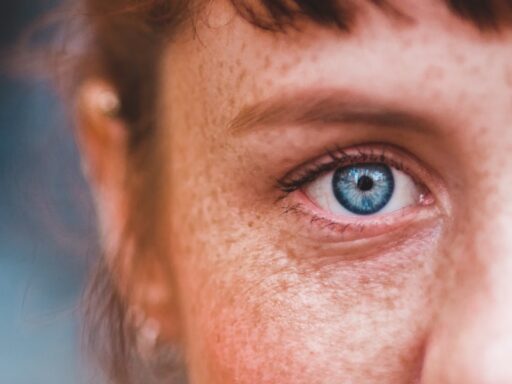
Hemoglobin gives blood its red colour, so when levels fall, skin can look washed out. Friends may comment that someone “looks tired” even when they are wearing makeup. A quick home check is to gently pull down the lower eyelid in good light. If the inner lining looks very pale instead of a healthy pink-red, that can be a sign of low iron. Dark circles under the eyes can also deepen, which many people mistakenly blame only on late nights.
6. Restless legs and strange cravings
Some people with iron deficiency describe an uncomfortable urge to move their legs at night, often with crawling or tingling sensations that disturb sleep. Others develop pica, a craving to chew ice or, more rarely, non-food items like paper or chalk. These symptoms can seem unrelated to tiredness, yet they frequently track with low iron and improve when levels are corrected.
Why these subtle symptoms matter more right now
Several trends make it more likely that low iron will be missed or dismissed. Hybrid work has blurred boundaries between office and home, so constant tiredness is easy to blame on extra screen time or back-to-back video calls. At the same time, wellness culture often frames exhaustion as a lifestyle problem to be fixed with better sleep hygiene, meditation apps or productivity hacks.
Diet patterns also play a role. More people are choosing plant-forward or fully vegetarian eating, which can be healthy but may reduce intake of heme iron, the form found in meat that the body absorbs most easily. Without careful planning, reliance on processed foods and quick snacks can limit iron-rich options like lentils, chickpeas, tofu, leafy greens and fortified cereals. Heavy periods, pregnancy, endurance sports and conditions such as celiac disease or inflammatory bowel disease further increase iron needs or reduce absorption.
Because these factors overlap, many people, especially women and teenagers, normalize feeling wiped out. They may put up with headaches, hair shedding and breathlessness as “just how life is now.” Yet untreated iron deficiency can progress to iron deficiency anemia, which carries higher risks, including heart strain, pregnancy complications and reduced immunity.
There is also a mental health angle. Persistent fatigue and brain fog can mimic depression, and some people are prescribed antidepressants before anyone checks a full blood count and ferritin, the marker of iron stores. While low iron does not explain every case of low mood, it is a simple, testable factor that can worsen existing anxiety or depression if missed.
How to respond when everyday tiredness starts to look suspicious
Recognising patterns is the first step. A single late night or stressful week will make anyone tired. Concern should rise when fatigue lasts for several weeks, daily tasks feel harder, and at least one or two of the other signs, such as hair loss or breathlessness, are present.
Self-diagnosis is risky, because symptoms of low iron overlap with thyroid problems, vitamin B12 deficiency, chronic infections and other conditions. The safest move is to speak with a healthcare professional and request blood tests that include hemoglobin and ferritin. Ferritin is especially important, since it can flag low iron stores even before anemia shows up on a standard blood count.
Supplements are widely available, but starting them without testing can mask other problems and, in rare cases, lead to iron overload. A clinician can recommend the right dose and form, which may range from traditional ferrous sulfate tablets to gentler formulations for people with sensitive stomachs. They can also help identify why iron is low, for example heavy menstrual bleeding, dietary gaps or gut absorption issues, and address that root cause.
Diet changes support recovery but usually work best alongside medical advice. Including iron sources such as lean red meat, eggs, lentils, beans, spinach, pumpkin seeds and iron-fortified cereals can help. Pairing these with vitamin C rich foods like oranges, strawberries or bell peppers improves absorption, while drinking tea and coffee away from meals reduces interference with uptake.
Once treatment starts, improvement is gradual. Many people notice clearer thinking and less breathlessness within a few weeks, while hair and nails take longer to reflect better iron status. Regular follow-up tests confirm that levels are rising and help avoid stopping supplements too early.