
Apple is turning Siri from a simple voice interface into a system-wide intelligence that can see what is on screen, understand personal context, and act inside apps. The overhaul, framed as part of a larger Apple Intelligence push, is meant to make the assistant feel less like a command line and more like a capable digital aide that understands what users are actually doing.
Rather than treating each request as a one-off query, the new Siri is designed to track ongoing tasks, reference past activity, and blend on-device processing with cloud models while keeping privacy as a core selling point.
What is actually new in Siri’s rebuilt brain and interface
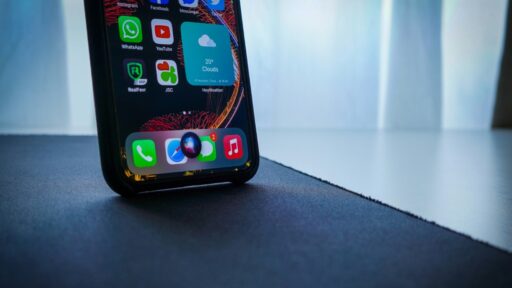
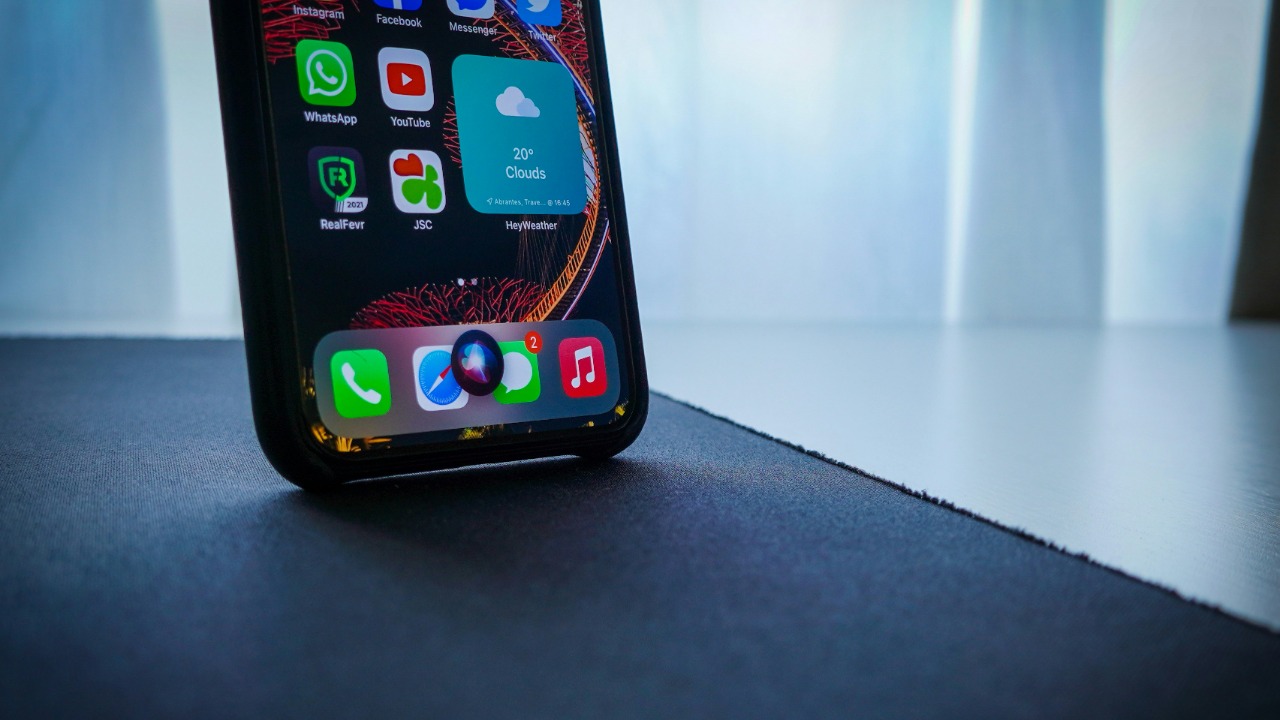
Apple’s redesign starts with how Siri appears and responds. The assistant now lives in a more persistent overlay that can be invoked from anywhere in the system, with a glowing border around the display and a richer visual layout for answers. According to Apple’s own description of Siri AI, the assistant has been rebuilt on top of new language models that run on device and in the cloud, allowing it to parse longer, more conversational prompts and follow multi-step instructions.
The most visible change is Siri’s new awareness of what is on screen. Instead of forcing users to describe everything verbally, the assistant can now reference the current app and its content. If a friend texts a restaurant suggestion in Messages, a user can say “Add this to my Friday plans and book a table for two,” and Siri can interpret “this” as the restaurant in the thread, open the relevant app, and perform the booking flow. Reporting on deeper context highlights that this screen understanding extends across system apps and many third party tools.
Apple is also giving Siri much broader control over app actions. Beyond preconfigured shortcuts, the assistant can trigger built-in capabilities inside apps, such as creating a note from an email, editing a photo, or starting a workout in Apple Fitness. Coverage of new app actions explains that developers get a unified way to expose functions to Siri, which should make natural language commands map more reliably to what apps can actually do.
There is also a new standalone Siri app. Instead of treating the assistant as a transient overlay, Apple now offers a full-screen hub where users can review past interactions, manage ongoing tasks, and issue more complex requests. Early hands-on coverage notes that the dedicated Siri app behaves like a command center for the assistant, with a history view and richer results that would be cramped in a small pop-up.
Personal context is another pillar of the redesign. Siri can reference information like calendar events, emails, messages, and documents to answer more specific questions. For example, a user can ask “When does my flight to Nairobi leave, and how long will it take to get to the airport from here?” and Siri can look up the boarding pass in Mail, identify the departure time, check current location, and estimate travel time. Reports on Apple Intelligence and emphasize that this context handling is central to Apple’s strategy to compete with Google and other AI assistants.
Under the hood, Apple is blending on-device processing with what it calls Private Cloud Compute. Sensitive requests can be handled locally, while more demanding tasks are sent to Apple-controlled servers that use the same privacy protections as devices. The company stresses that requests are not stored or used to build advertising profiles, setting a different tone from data-hungry AI models that rely on extensive cloud logging.
Why system-wide context and on-screen awareness matter right now
Siri’s reinvention lands at a time when conversational AI is rapidly becoming the default interface for search, productivity, and entertainment. Competitors such as Google have been pushing assistants that can reason over emails, documents, and web pages, and Apple has faced pressure to show that it can match or exceed those capabilities. The decision to rebuild Siri around new AI models is as much about catching up as it is about defining a distinct approach.
Context is the main differentiator. Traditional voice assistants treated each command as a separate transaction, which forced users to repeat details and switch manually between apps. By giving Siri a memory of what the user is doing and what has just been said, Apple is trying to make interactions feel more like talking to a person who has been in the room the whole time. That shift matters for everyday tasks such as planning travel, coordinating family schedules, or managing work projects that span multiple apps.
On-screen awareness also reduces friction. Mobile workflows often involve juggling content between apps, like copying an address from Safari into Maps or moving a tracking number from Mail into a delivery app. With Siri able to see and act on the current screen, those steps can be condensed into a single instruction. Coverage of the new Siri capabilities argues that this kind of ambient understanding is what users expected from assistants from the beginning, but the technology and integration were not ready.
Privacy is another reason the timing matters. As generative AI tools spread, there is growing concern about where personal data goes when it is fed into chatbots and cloud services. Apple is leaning on its hardware control and security reputation to position Siri as an assistant that can work with sensitive information without leaking it. The company’s description of Private Cloud Compute is meant to reassure users that even when requests leave the device, they are handled in a tightly controlled environment rather than a generic public cloud.
The competitive landscape also shapes why this overhaul matters now. Analysts tracking Apple’s rivalry with note that Google’s strength in search and cloud AI has given it an edge in smart assistance. For Apple, integrating a more capable Siri into iOS, iPadOS, and macOS is not just a feature upgrade. It is a way to keep users inside its ecosystem for AI-powered tasks instead of pushing them toward external chatbots and web services.
Finally, the shift to a standalone Siri app hints at a broader change in how people might think about assistants. Rather than a disembodied voice that appears only when summoned, Siri becomes a persistent workspace that can be revisited, audited, and refined. That aligns with how power users already work with productivity tools, and it may help build trust by making the assistant’s actions more transparent.
How Siri’s new context engine could evolve from here
The current feature set is only the first step in a longer transition from simple voice commands to fully integrated AI agents. Reporting on Apple’s broader AI roadmap suggests that the company sees Siri as the primary interface for many of its new models, which means future updates are likely to deepen the assistant’s autonomy and reach.
One clear direction is richer multi-step automation. Today’s version can chain together actions inside and across apps, but users still need to describe the sequence. As Apple gathers more examples of how people use Siri, the assistant could start proposing workflows on its own, such as automatically compiling travel itineraries from emails and calendar entries or generating follow-up reminders after meetings. Coverage of Siri’s expanded actions points to this kind of orchestration as a natural extension of the current capabilities.
Another likely path is tighter integration with third party services. While Apple has highlighted support for popular apps, the real test will be how broadly developers adopt the new APIs. If enough apps expose their key functions to Siri, the assistant could become a universal controller for the phone, able to perform tasks that currently require tapping through several screens. Observers who see Siri’s reinvention as a turning point argue that developer enthusiasm will determine whether it becomes indispensable or remains a nice-to-have feature.