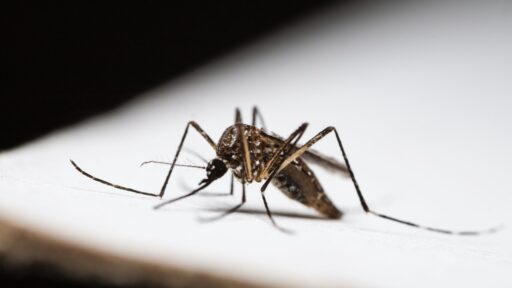
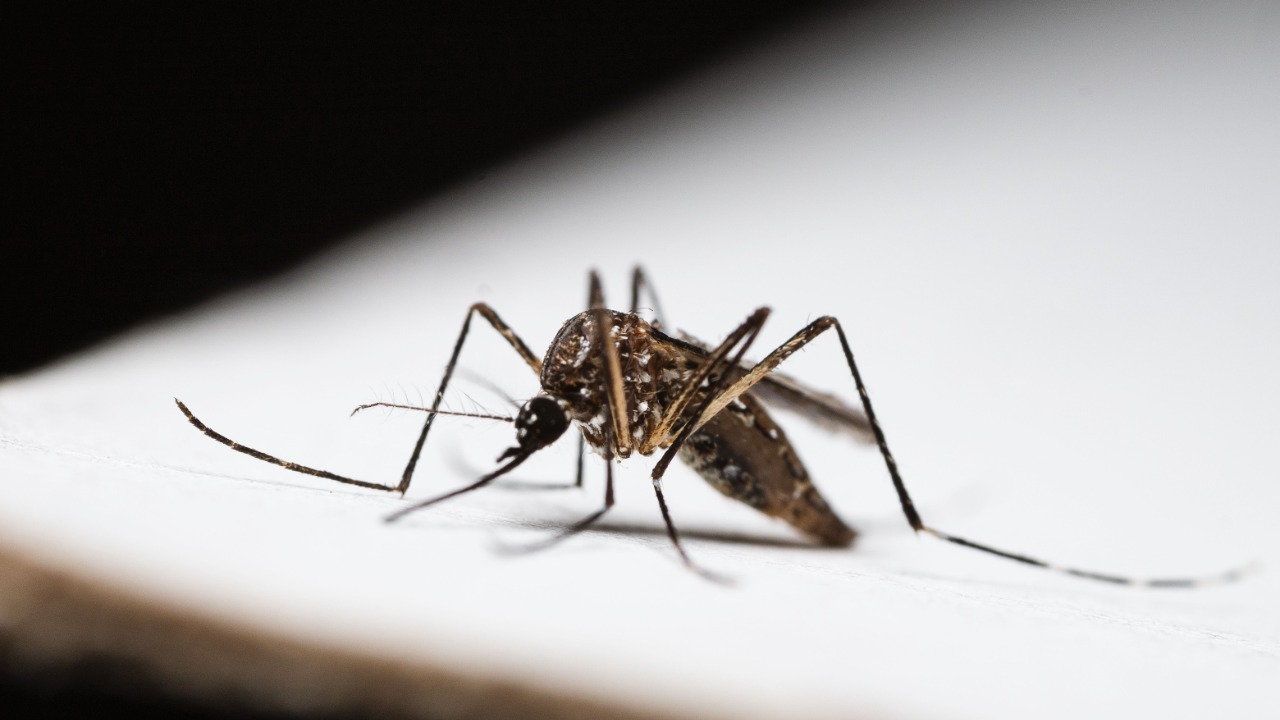

West Nile virus has been detected in mosquitoes collected in Renfrew County and District, prompting local health officials to remind residents that mosquito-bite prevention remains important throughout the summer.
The positive mosquito sample was collected in the Town of Arnprior and represents the first confirmed detection of West Nile virus in Renfrew County and District during 2026. According to the Renfrew County and District Health Unit, no locally acquired human cases had been reported in the region as of the July 24 announcement.
The discovery does not mean that every mosquito is infected or that a local human outbreak is underway. It confirms, however, that the virus is circulating within the local mosquito population and that residents should take reasonable precautions to reduce their exposure.
What Was Found in Renfrew County?
The Renfrew County and District Health Unit operates 13 mosquito trapping locations throughout the region. Mosquitoes are collected from these traps every week during the summer and tested for West Nile virus as part of the health unit’s ongoing surveillance programme.
The recent positive sample came from Arnprior. It was the first positive mosquito pool identified locally in 2026, although West Nile virus has previously been detected in the region. Local mosquito testing has been conducted since 2005, and the virus was first found in Renfrew County mosquitoes in 2017.
A positive mosquito pool means that at least one mosquito within the tested group carried the virus. It does not establish how many infected mosquitoes are present across the county, and it does not confirm that any residents have become infected.
The finding is primarily an early-warning signal. It allows public-health officials to follow changes in local mosquito activity and reminds the public to strengthen prevention measures during periods when mosquitoes are active.
How West Nile Virus Spreads
West Nile virus circulates mainly between birds and mosquitoes. A mosquito can become infected after feeding on a bird carrying the virus. That mosquito may then transmit the infection when it bites a person or another animal.
People do not normally acquire West Nile virus through ordinary contact with someone who is infected. The main risk for the general public comes from the bite of an infected mosquito. The Ontario government’s West Nile virus guidance explains that anyone spending time near infected mosquitoes could potentially be exposed, although the overall risk of serious illness remains low.
Mosquitoes can bite throughout the day, but many of the species associated with West Nile virus are particularly active around dawn and dusk. Warm weather, vegetation and small collections of stagnant water can create favourable conditions for mosquito activity close to homes, cottages, campsites and recreational areas.
Most Infections Do Not Cause Symptoms
The detection may sound alarming, but most people infected with West Nile virus do not become noticeably ill. Approximately four out of five infected people develop no symptoms.
Those who do become sick may experience fever, headache, body aches, nausea, vomiting, fatigue, swollen lymph glands or a rash on the chest, stomach or back. Symptoms commonly begin between two and 15 days after the bite of an infected mosquito.
Because these symptoms can resemble those of several other illnesses, a mosquito bite alone cannot confirm West Nile virus infection. A healthcare professional considers symptoms, possible exposure, geographic location, the time of year and laboratory findings when evaluating a suspected case.
Serious Illness Is Rare but Requires Prompt Attention
Approximately one in every 150 people infected with West Nile virus may develop severe illness affecting the central nervous system. This can include encephalitis, which causes inflammation of the brain, or meningitis, which affects the protective membranes surrounding the brain and spinal cord.
Warning signs can include a severe headache, high fever, muscle weakness, stiff neck, confusion, tremors, numbness, difficulty remaining alert or sudden sensitivity to light. Anyone experiencing these symptoms should seek medical attention promptly rather than waiting to see whether the condition improves.
Older adults and people with weakened immune systems face a greater risk of severe complications. However, serious disease can occur in other age groups, which makes prevention relevant to the entire community.
There is currently no human vaccine or medication that specifically cures West Nile virus. Medical care focuses on relieving symptoms, while severe cases may require hospital treatment and supportive care. The Public Health Agency of Canada’s treatment guidance therefore emphasises prevention as the most dependable form of protection.
Use an Approved Mosquito Repellent
Residents spending time outdoors can reduce their risk by applying an insect repellent containing DEET or icaridin to exposed skin. The product should be registered for use in Canada and applied according to the instructions on its label.
Health Canada advises consumers to look for a Pest Control Products registration number when choosing a repellent. Concentrations and application limits differ according to age, so parents and caregivers should pay close attention to product directions.
DEET and icaridin products should not be used on infants younger than six months. A mosquito net placed over an outdoor crib or stroller provides an alternative protective barrier for younger babies. Further age-specific information is available through Health Canada’s personal insect repellent guidance.
Repellent should support other precautions rather than replace them. Long-sleeved shirts, long trousers, socks and light-coloured clothing can reduce the amount of exposed skin, particularly when residents are outdoors around dawn or dusk.
Remove Standing Water Around the Property
Mosquitoes do not need a large pond to reproduce. Small amounts of standing water can provide suitable places for them to lay eggs.
Residents should regularly inspect bird baths, buckets, flowerpot saucers, children’s toys, unused containers, pool covers, old tyres, wheelbarrows and clogged gutters. Water should be emptied or refreshed frequently rather than being allowed to remain stagnant for several days.
Rain barrels should be properly covered, and outdoor pet dishes should receive fresh water regularly. Boats, garden equipment and containers that are not being used can be stored upside down so that rainwater cannot collect inside them.
The health unit also advises property owners to clear dense overgrowth and debris from bushes and shrubs because adult mosquitoes may rest in shaded vegetation. Compost piles should be turned regularly, and doors and windows should have tightly fitted screens.
Continue Enjoying the Outdoors With Sensible Precautions
The presence of West Nile virus in a mosquito sample does not mean that residents must avoid all outdoor activities. The health unit has described the infection risk as low, and no local human cases had been reported when the positive result was announced.
The practical response is increased awareness rather than panic. Applying an approved repellent, covering exposed skin, removing standing water and maintaining window screens can substantially reduce opportunities for mosquito bites.
People who spend extended periods outdoors, including campers, gardeners, hikers, outdoor workers and cottage owners, may need to be particularly consistent with these measures. Precautions should continue throughout mosquito season rather than stopping after a single application of repellent or property inspection.
What the Renfrew County Finding Means
The positive Arnprior mosquito sample confirms that West Nile virus is present in the local environment during the 2026 mosquito season. It does not indicate that widespread human illness has occurred, but it gives residents a timely reason to review how effectively they are preventing bites.
Ongoing surveillance by the Renfrew County and District Health Unit will help identify additional virus activity. Residents can follow the health unit’s notices and consult the Public Health Agency of Canada’s West Nile virus information for nationally recognised guidance on symptoms, prevention and surveillance.
Simple precautions remain the strongest defence. Reducing mosquito breeding sites and protecting exposed skin can allow families to continue enjoying the Renfrew County summer while keeping the risk of infection as low as possible.