
The Navy’s fiscal 2026 budget blueprint sketches a deployable battle force of 287 ships, built around 115 surface combatants, 63 submarines, 11 aircraft carriers, and 31 amphibious ships. That figure sits below long-discussed fleet goals yet reflects a force tailored to high-end conflict in the Western Pacific, with a premium on survivability, long-range weapons, and undersea warfare.
Those topline numbers rest on hard choices about which ships to keep, which to retire early, and how quickly to introduce new designs. The result is a fleet that appears stable on paper but faces intense pressure from rising operations, maintenance, and personnel costs.
How the FY 2026 plan reshapes the deployable fleet
The Department of the Navy’s fiscal 2026 highlights describe a battle force that holds roughly steady in size while shifting its internal balance toward undersea and large surface combatants. The plan locks in 115 surface combatants, a mix of Arleigh Burke destroyers, Littoral Combat Ships, and the first Constellation-class frigates, alongside 63 submarines that include both attack and ballistic-missile boats. According to the budget highlights, the deployable total of 287 ships also counts 11 nuclear-powered carriers and 31 amphibious warships.
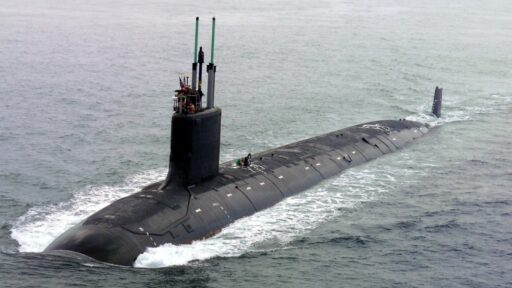
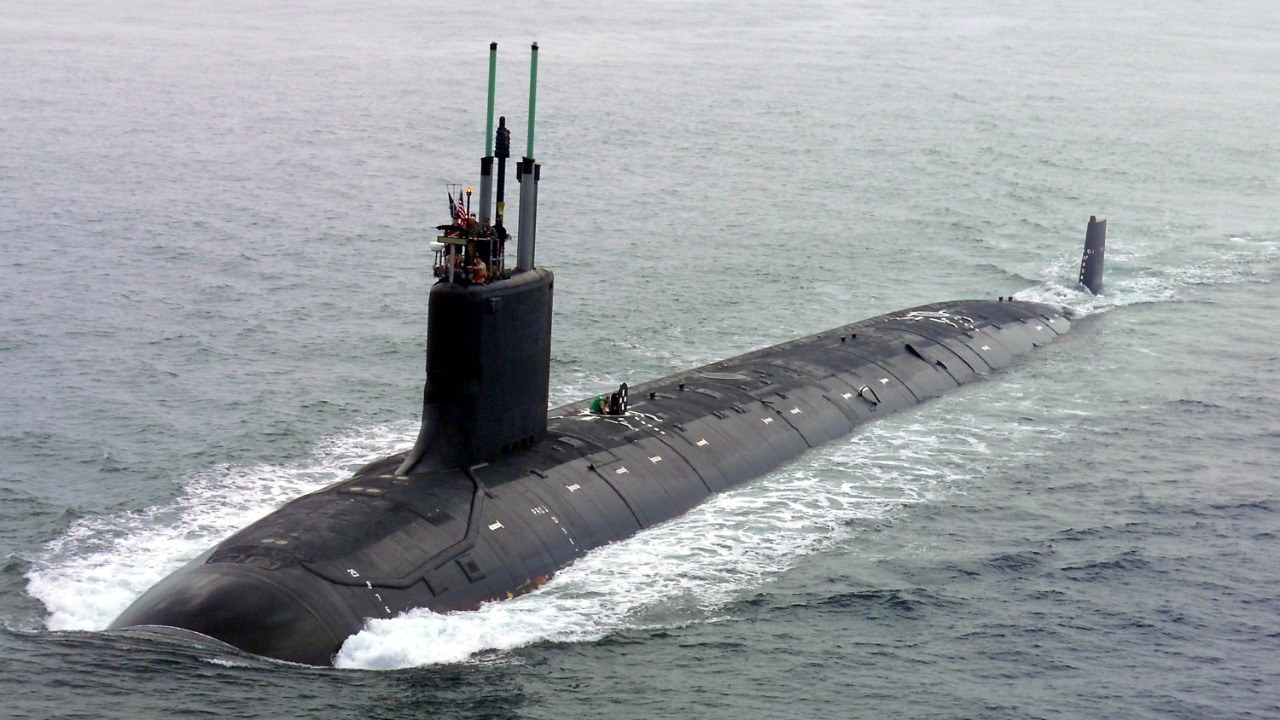
Compared with the current year, the overall number shifts only slightly, but the composition reflects several structural moves. The Navy continues to phase out the oldest Ticonderoga-class cruisers, which carry a large share of the fleet’s vertical launch cells, and to retire some Littoral Combat Ships that have struggled to find a clear mission. At the same time, new Flight III Arleigh Burke destroyers with the AN/SPY-6 radar begin to backfill air and missile defense capacity, while Virginia-class submarines add stealthy strike and intelligence collection options.
The carrier force stays fixed at 11 hulls, anchored by the Gerald R. Ford class and the remaining Nimitz-class ships. That stability masks churn underneath, as refueling overhauls and maintenance availabilities rotate carriers in and out of deployable status. The amphibious segment, at 31 ships, remains below the Marine Corps’ preferred inventory and relies heavily on aging Whidbey Island and Harpers Ferry dock landing ships while the San Antonio and America classes shoulder more of the aviation and command-and-control burden.
Logistics and support vessels do not figure as prominently in the headline battle force count, but the budget materials point to continued investment in oilers, sealift ships, and expeditionary sea bases. These hulls are less visible than destroyers or carriers yet are essential to sustaining a dispersed fleet across the Pacific and other theaters.
Key differences from earlier fleet goals and plans
The 287-ship deployable fleet falls well short of earlier force-structure targets that called for more than 350 ships, and even further from some concepts that envisioned 500 or more crewed and uncrewed platforms. The fiscal 2026 plan reflects a more constrained view of what can be built, crewed, and maintained within projected budgets.
Several factors drive that gap. Shipbuilding accounts have struggled to keep pace with inflation, especially in labor and specialized materials. Industrial-base bottlenecks have slowed production of attack submarines and destroyers, which in turn pushes planned fleet milestones further into the future. At the same time, the Navy has accepted early retirements for a subset of cruisers and Littoral Combat Ships that would be costly to modernize or operate, even though those ships still count toward raw hull numbers.
The result is a fleet that prioritizes quality over quantity. The 115 surface combatants in the 2026 plan carry more advanced radars, electronic warfare systems, and long-range missiles than their predecessors, and the 63 submarines include some of the most capable attack boats in the world. Yet the smaller overall inventory leaves less margin for surge operations, presence missions in multiple regions, and maintenance overruns.
Amphibious forces are also shifting. The 31 amphibs in the plan must support a Marine Corps that is reorienting toward smaller, more distributed units that operate from expeditionary bases and smaller vessels. Large-deck amphibious assault ships and LPDs remain central, but the gap between those platforms and the envisioned network of smaller, lower-signature vessels has not yet been fully bridged in the shipbuilding program.
Why this 287-ship force matters in 2026 and beyond
The Navy’s planned 287-ship deployable fleet matters less as an abstract number and more as a measure of how much credible combat power the United States can field in key regions, especially the Indo-Pacific. A force with 63 submarines and 115 surface combatants is tailored for contested seas, where long-range anti-ship missiles, dense air defenses, and pervasive surveillance define the fight.
In a potential conflict around Taiwan or in the South China Sea, attack submarines and guided-missile submarines would likely be first in, tasked with hunting adversary surface ships, striking high-value land targets, and gathering intelligence. The fiscal 2026 plan’s emphasis on undersea forces reflects that reality, even as industrial challenges make it difficult to grow the submarine inventory as quickly as planners would like.
Surface combatants and carriers provide the visible backbone of U.S. presence and deterrence. Flight III destroyers, with improved sensors and missile capacity, are central to defending carriers and amphibious groups from ballistic and cruise missile threats. Carriers, despite ongoing debates about their vulnerability, remain the most flexible platform for sustained airpower at sea, especially when land bases are limited or under threat.
The 31 amphibious ships, though fewer than Marine leaders have requested, still represent a significant ability to move Marines, equipment, and aircraft into contested littorals. That capability underpins new Marine concepts that envision small units operating from island chains, armed with anti-ship missiles and sensors that can complicate an adversary’s naval planning.
Yet the relatively modest fleet size heightens the stakes of every deployment and maintenance decision. High operational tempo in the Western Pacific, the Middle East, and Europe can strain crews and ships, leading to deferred maintenance and longer-term readiness problems. A fleet that is just large enough on paper can quickly become too small in practice if several major combatants are tied up in extended repairs.
Budget tradeoffs and the pressure on shipbuilding
The fiscal 2026 plan for a 287-ship deployable fleet sits within a broader Department of the Navy budget that must balance shipbuilding against aviation, weapons, cyber capabilities, and personnel costs. The budget overview highlights continued investment in next-generation systems such as hypersonic weapons, unmanned surface and undersea vehicles, and advanced networking, all of which compete with traditional hulls for funding.
Shipbuilding accounts must also absorb the cost of nuclear-powered carriers and submarines, which require long lead times and specialized industrial capacity. Delays or cost growth in those programs can crowd out smaller combatants and support ships. The plan’s stable carrier count of 11 reflects that reality, as each new Gerald R. Ford-class ship represents a decades-long commitment of resources.
Personnel costs add another layer of constraint. A fleet of 287 deployable ships demands tens of thousands of sailors and Marines, whose pay, benefits, and training costs rise faster than inflation. Recruiting and retention challenges, especially in technical ratings, can limit how quickly new ships can be brought into service, even if the shipyards deliver them on time.
These pressures help explain why the Navy has leaned toward retiring older, maintenance-intensive ships in order to free funds for modernization. Critics argue that this approach trades near-term capacity for future capability, while supporters contend that clinging to aging hulls would erode readiness and leave the fleet less effective in a high-end fight.
What to watch as the fleet moves past FY 2026
The fiscal 2026 deployable battle force of 287 ships is a waypoint, not an endpoint. Several developments over the next few years will determine whether the fleet grows, shrinks, or simply changes shape.
First, the success of the Constellation-class frigate program will be a bellwether. If those ships enter service on schedule and within budget, they can help relieve pressure on destroyers and expand the number of surface combatants available for escort, patrol, and presence missions. Persistent delays would keep more of the burden on a limited number of high-end destroyers.