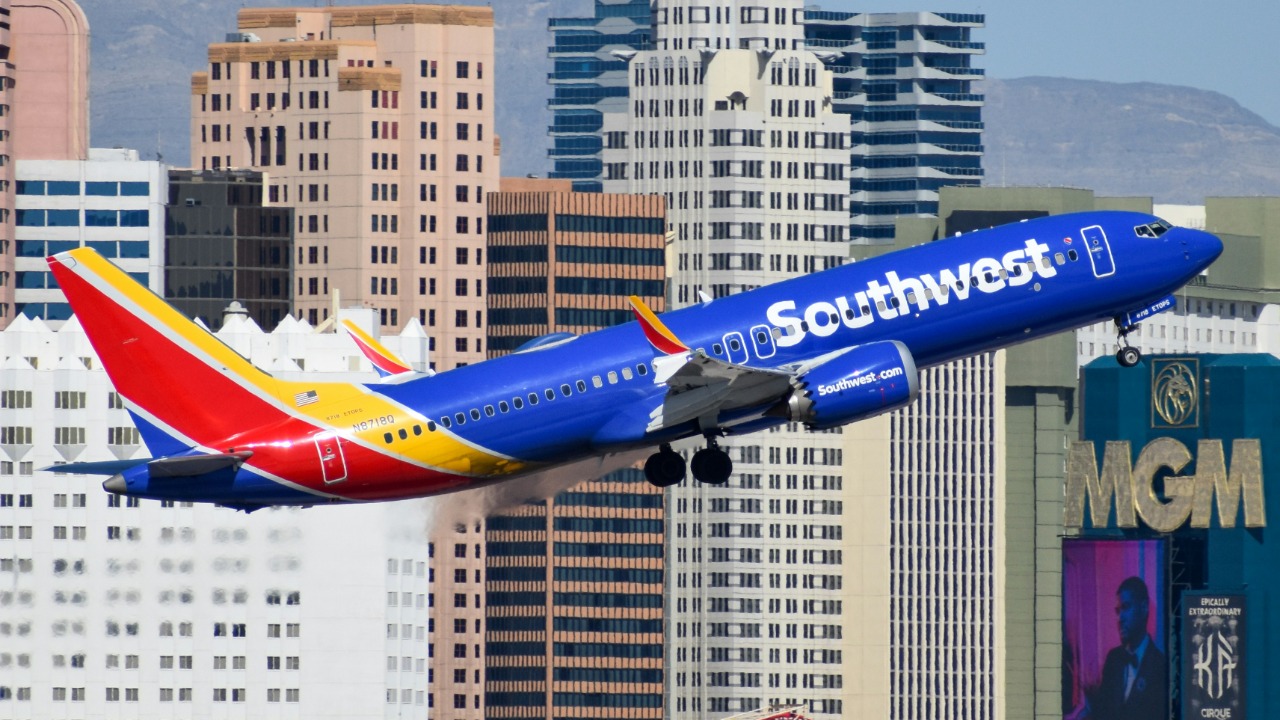

Boeing’s largest single-aisle jet, the 737 MAX 10, is running out of runway to secure certification in a regulatory environment reshaped by two deadly crashes and years of scrutiny. The company is now pitching a different way of proving the aircraft is safe, one that leans less on grandfathered design assumptions and more on system-level risk analysis and operational safeguards. Whether regulators, pilots, and airlines accept that approach will determine not only the fate of the MAX 10 but also how the industry handles derivative aircraft in the future.
The strategy comes as Boeing tries to rebuild credibility after a long arc that some analysts describe as the rise, fall, and potential recovery of a once-dominant manufacturer. The MAX 10 has become the test case for whether Boeing can blend commercial urgency with a safety philosophy that satisfies a tougher Federal Aviation Administration and skeptical global regulators.
What happened
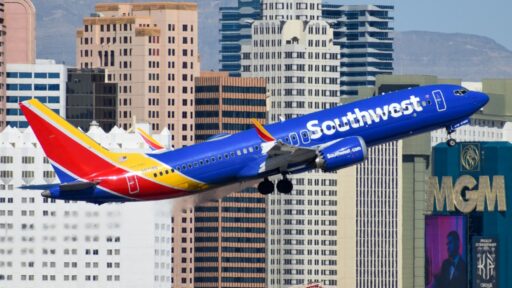
The 737 MAX 10 is the stretched variant of Boeing’s MAX family, designed to compete with the Airbus A321neo on busy short- and medium-haul routes. It builds on the same basic 737 architecture that dates back to the late 1960s, a lineage that allowed earlier MAX models to be certified as derivatives rather than clean-sheet designs. That strategy kept development costs lower but also meant the aircraft inherited structural and systems constraints that later collided with modern safety expectations.
After the crashes of Lion Air Flight 610 and Ethiopian Airlines Flight 302, which killed 346 people, U.S. regulators launched a broad rethink of how they oversee aircraft design and delegate authority to manufacturers. The Federal Aviation Administration moved to overhaul its approach to safety oversight and certification of transport aircraft, particularly around how it evaluates new systems on older platforms and how much responsibility it hands to company engineers through Organization Designation Authorization. The agency’s shift followed criticism that it had allowed the original 737 MAX to pass with inadequate scrutiny of the Maneuvering Characteristics Augmentation System, or MCAS, that played a central role in the accidents, prompting calls for a deeper review of U.S. air safety.
This new posture has shaped the path for the MAX 10. Lawmakers tied future certification of the MAX 7 and MAX 10 to updated cockpit alerting standards and other safety enhancements, forcing Boeing to negotiate compliance paths rather than rely on legacy waivers. Industry analysis of Boeing’s trajectory has highlighted how the company’s earlier cost-driven culture clashed with this environment and how its leadership is now trying to chart a way back by emphasizing safety and engineering discipline.
As the MAX 10 program absorbed these pressures, Boeing also had to resolve specific technical setbacks. The company spent months addressing quality and design issues that affected the broader MAX line, including structural fit problems and rework that slowed deliveries. Earlier this year, Boeing told customers it had cleared a major obstacle on the 737 program after fixing a production flaw that had held up aircraft, a step that allowed it to resume more consistent output and signaled that at least one major setback had been resolved.
Even with that progress, the MAX 10 faces a more cautious FAA that is demanding deeper analysis of how systems interact, how pilots respond in abnormal situations, and how maintenance practices align with design assumptions. For Boeing, the answer has been to frame the MAX 10 certification not as a request to keep grandfathering an old jet, but as a demonstration that the overall safety case meets or exceeds the intent of modern rules, even if some legacy features remain.
Why it matters
The stakes around this new safety approach are high for Boeing’s business. The MAX 10 is central to its ability to compete with the Airbus A321neo, which has dominated orders in the high-capacity narrowbody segment. Airlines such as United, Delta, and others have lined up for the MAX 10 to serve dense domestic routes and transcontinental services, counting on its extra seats and range to match Airbus offerings. If certification slips further or regulators impose restrictions, carriers could face capacity gaps or shift more orders to Airbus.
Meanwhile, Boeing is already operating under a production ceiling that constrains how quickly it can recover financially. After a series of safety and quality crises, the company agreed with regulators to cap 737 MAX output at a defined level while it improves manufacturing processes and oversight. Industry observers have questioned whether that production cap could become the new normal if Boeing cannot convincingly demonstrate that its safety culture has changed. Without the higher volumes that the MAX 10 would support, Boeing’s narrowbody economics remain under pressure.
The certification path also matters for the smaller 737 MAX 7. Both the MAX 7 and MAX 10 have been pulled into the same regulatory debate over cockpit alerting, system redundancy, and pilot training requirements. Analysts have warned that if Boeing fails to secure exemptions or alternative compliance paths for the MAX 10, the MAX 7 could face similar obstacles, raising the risk that both variants would be delayed or even canceled. Aviation commentary has framed the question bluntly: would the 737 MAX 7 and MAX 10 be allowed to enter service under the new standards, or would regulators insist on changes that Boeing finds too costly, a scenario explored by industry analysts.
Beyond Boeing’s balance sheet, the MAX 10 certification is a bellwether for how regulators handle derivative aircraft that evolve far beyond their original design envelopes. The 737’s core fuselage and systems architecture were conceived in a different era, with assumptions about pilot workload, automation, and failure modes that no longer match current expectations. The MCAS failures showed how adding powerful software to compensate for aerodynamic changes on an aging airframe can create new hazards if not fully understood and documented.
In response, the FAA has pushed Boeing to adopt a more integrated safety case for the MAX 10. That means mapping how software, hardware, and human factors interact across a wide range of scenarios, then proving that the combined risk remains acceptably low. It also involves more transparency about failure probabilities, more conservative assumptions about pilot reaction times, and clearer documentation for airlines and crews. If regulators accept this kind of system-level approach as an alternative to redesigning every legacy feature, it could become a model for other manufacturers that want to keep updating older platforms.
For passengers, the outcome will shape perceptions of the 737 brand. Surveys after the crashes showed lingering hesitation about flying on MAX aircraft, even after the type was cleared to return to service. Airlines responded with additional pilot training, open communication, and in some cases rebranding. A smooth and visibly rigorous approval process for the MAX 10 could help restore confidence, while any hint of shortcuts would reinforce doubts about whether commercial pressures still outweigh safety.
What to watch next
The next phase in Boeing’s plan centers on detailed technical submissions to the FAA and other regulators, along with flight testing that validates the company’s safety modeling. Observers will watch how Boeing describes its new approach to risk assessment, especially how it addresses edge cases where multiple failures occur or where pilot workload spikes. Regulators are expected to probe whether Boeing’s assumptions about pilot behavior are realistic, given the global range of training standards and operational environments.
One key question is how much additional simulator training will be required for MAX 10 pilots compared with those who already fly earlier 737 variants. Airlines have historically valued the 737 family for commonality that lets them move crews between aircraft with minimal extra training. If the FAA concludes that the MAX 10’s systems or handling characteristics demand more extensive preparation, that could add cost and complexity for operators, but it might also strengthen confidence that pilots are fully prepared to manage rare but high-consequence failures.