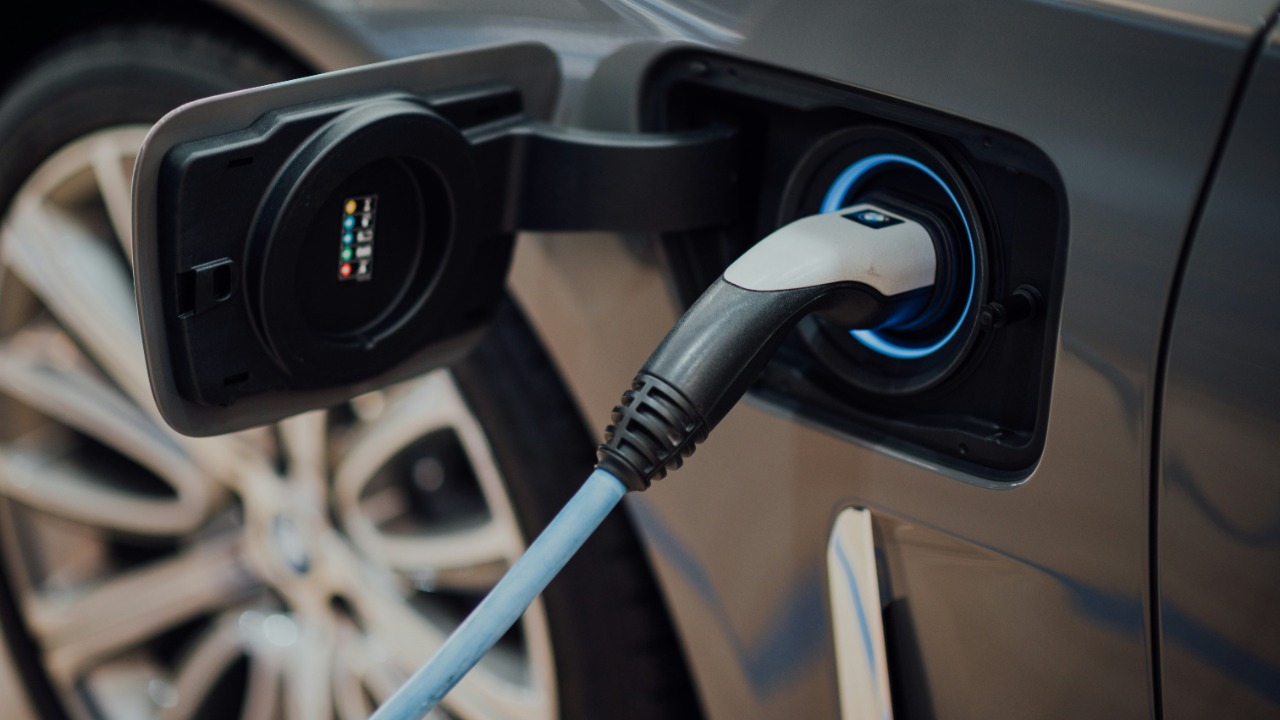

Complimentary charging was once a common incentive for electric-car buyers. Automakers used free public charging to reduce range anxiety and persuade drivers to switch from gasoline-powered vehicles.
Those offers have become less generous as EV adoption and public charging networks have expanded. Several manufacturers have replaced unlimited charging with fixed energy allowances, discounted memberships or complimentary home chargers.
Free charging has not disappeared completely in 2026. Selected vehicles from BMW, Mercedes-Benz, Tesla and Volvo still qualify for meaningful incentives, although the terms differ significantly by model and country.
Buyers need to examine the details carefully. “Free charging” may mean unlimited sessions for a fixed period, a limited number of kilowatt-hours, home electricity reimbursement or a charger supplied without electricity. Idle fees, taxes and commercial use may also be excluded.
2026 BMW i4, i5 and iX
New 2026 BMW i4, i5 and iX models purchased from an authorized US dealer include 1,000 kilowatt-hours of complimentary charging through Electrify America.
The allowance remains valid for up to 24 months from the vehicle’s purchase date. It can be used for eligible DC fast-charging and Level 2 sessions on participating parts of the Electrify America network.
BMW estimates that 1,000 kWh represents approximately 3,000 miles of driving, although the actual distance depends on the model, weather, speed and driving conditions.
Owners must enroll through the My BMW application and select the applicable complimentary charging plan. Eligible vehicles can also use Plug & Charge, allowing the charger to identify the car and apply the credit after the cable is connected.
The official 2026 BMW charging-plan terms confirm that the benefit is limited to the first owner and the registered vehicle. It cannot be transferred to another car or used for ride-hailing, fleet or other commercial activity.
The offer ends when the 1,000-kWh allowance is exhausted or the two-year period expires, whichever happens first.
2026 BMW i7
BMW provides a larger allowance with its flagship electric sedan.
A new 2026 BMW i7 includes 2,000 kWh of complimentary Electrify America charging. The credit remains available for up to 36 months from the purchase date.
That energy could represent roughly 6,000 miles of driving using BMW’s estimate, although actual efficiency varies among i7 configurations and operating conditions.
The driver must activate the promotion through the My BMW application. Charging can then be initiated through the app or compatible Plug & Charge functionality.
Electrify America’s official BMW i7 plan disclosure states that the allowance covers eligible DC fast and Level 2 charging but does not include idle fees or associated taxes. The plan is restricted to private use by the first owner.
The larger allowance makes the i7 one of the more generous energy-limited charging offers available with a new US-market EV in 2026.
2026 Mercedes-Benz Electric Vehicles
Mercedes-Benz offers a different kind of promotion.
All US model-year 2024 through 2027 Mercedes-Benz electric and plug-in hybrid vehicles include two years of complimentary charging at Mercedes-Benz High-Power Charging locations. The benefit is tied to the company’s own fast-charging network rather than every charger accessible through the Mercedes-Benz application.
Eligible 2026 models include vehicles such as the electric CLA, EQE SUV, EQS SUV and G 580 with EQ Technology. Availability naturally depends on which models remain on sale and qualify under the manufacturer’s current terms.
The official Mercedes-Benz charging overview describes the benefit as two years of complimentary charging at its High-Power Charging locations for model-year 2024 through 2027 EVs and plug-in hybrids.
Unlike a fixed 1,000- or 2,000-kWh allowance, the Mercedes offer is described as complimentary charging for the promotional period. That can make it more valuable to drivers who live or travel near the network’s locations.
The limitation is coverage. Mercedes-Benz is expanding its North American charging network, but it is still much smaller than networks such as Tesla Supercharging or Electrify America.
Drivers can use other compatible charging providers through MB.CHARGE Public, but sessions outside the qualifying Mercedes-Benz High-Power Charging locations are not necessarily free. Plug & Charge works at various compatible networks, although it simplifies authentication and payment rather than automatically removing the cost.
Selected Tesla Model 3 Versions
Tesla charging incentives change frequently and are often connected to a particular order date, configuration or delivery deadline.
In 2026, qualifying new orders for the Model 3 Premium Long Range and Model 3 Performance have been offered one year of complimentary Supercharging. The reported offer applies to eligible orders placed on or after April 24, 2026.
Unlike a fixed energy credit, the promotion is based primarily on time. An eligible owner can use participating Tesla-owned Superchargers without paying the normal charging price during the first year after delivery.
The offer generally begins automatically when the vehicle is delivered rather than when the driver first chooses to use it. It is also intended for private use and does not cover vehicles used for ride-sharing, delivery or other commercial services.
Tesla notes in its general Supercharging guidance that vehicles carrying a free-Supercharging benefit can charge without an energy fee at Tesla-owned Supercharger locations. Congestion charges and other applicable fees may still be collected.
Because Tesla promotions can change with little notice, buyers should confirm that free Supercharging appears in the written order agreement before completing the purchase.
Teslas Purchased With an Eligible Trade-In
Tesla also offers a smaller charging benefit when a customer trades in a qualifying gasoline or hybrid vehicle.
Eligible customers who trade such a vehicle for a new Tesla can receive 2,000 miles of complimentary Supercharging. Tesla says this trade-in promotion began on October 30, 2025.
The benefit may apply to new models such as the Model 3, Model Y and Cybertruck, subject to the current offer terms and the vehicle accepted through Tesla’s trade-in process.
Tesla’s official trade-in information says the free Supercharging miles are added when the customer takes delivery of the new vehicle.
This is not unlimited charging. Tesla converts the promotional mileage into a charging credit, and the balance must generally be used within the stated validity period.
A Model 3 buyer who qualifies for both a time-based Supercharging promotion and the trade-in credit may be able to use the larger promotional benefit first, depending on Tesla’s applicable terms.
New Electric Volvos in Sweden
Volvo’s 2026 charging incentive is significant but geographically limited.
Private customers in Sweden who purchase or lease a new fully electric Volvo can receive one year of complimentary fossil-free home charging through Volvo’s partnership with energy company Vattenfall.
Volvo estimates that the offer can provide electricity for as much as 25,000 kilometres, or approximately 15,500 miles, of driving. The estimate depends on electricity use and the efficiency assumptions applied to the vehicle.
The program requires an eligible Vattenfall electricity agreement, the Volvo Cars application and the smart-charging function. The vehicle must be charged through the same household meter connected to the customer’s qualifying energy contract.
Volvo’s official free home-charging announcement says the initiative began in Sweden in February 2026 and applies to new fully electric Volvo purchases and leases by private customers.
The new EX60 receives an even stronger Swedish-market offer. Volvo has stated that the electric SUV comes with three years of free home charging for qualifying private customers in Sweden.
The promotion is not currently a standard US benefit. Volvo has said it intends to use the Swedish program as a foundation for possible expansion into other markets, but no universal rollout schedule has been confirmed.
The 2025 Volkswagen ID. Buzz May Still Include Charging Credit
Some unsold 2025 EVs may continue to be available during 2026 with their original charging incentives.
The 2025 Volkswagen ID. Buzz includes 500 kWh of complimentary Electrify America charging for up to three years, together with a three-year Pass+ membership that provides discounted rates after the free allowance is used.
The offer is attached to an eligible model-year vehicle rather than the calendar year in which the buyer happens to find it. A remaining new 2025 ID. Buzz purchased in 2026 may therefore qualify, provided it meets Volkswagen’s enrollment and first-owner requirements.
Edmunds’ current EV charging-incentive guide lists the 500-kWh allowance and three-year validity period for the 2025 ID. Buzz.
The 2026 ID.4 does not receive the same kind of free-energy allowance. Its current promotion provides two years of Electrify America Pass+ pricing and Plug & Charge, which reduces charging rates but does not make the electricity free.
Ford Provides a Charger Rather Than Free Electricity
Ford’s Power Promise is often grouped with free-charging incentives, but it is technically different.
Eligible buyers or lessees of a new Ford electric vehicle can receive a complimentary home charging station and standard installation. Ford supplies the hardware and covers a qualifying basic installation, but the owner remains responsible for the household electricity consumed.
Ford’s home-charging program describes the complimentary charger and installation as part of the Ford Power Promise.
This benefit can still be financially valuable. Installing a dedicated Level 2 charger may require equipment, electrical work, permits and possible panel upgrades.
However, nonstandard work may not be fully covered. Long cable runs, trenching, service-panel replacement or extensive structural modifications could create additional charges.
The offer is best understood as free charging equipment, not unlimited free energy.
“Unlimited” Charging Still Has Limits
Even the most generous promotion does not remove every potential fee.
Charging providers may assess idle or congestion charges when a vehicle remains connected after charging finishes. Those fees discourage drivers from occupying a station that another EV could use.
BMW’s Electrify America plans specifically exclude idle fees. Mercedes-Benz and Tesla promotions may also leave drivers responsible for congestion, parking or other non-energy charges.
Commercial use is another common restriction. Ride-share, delivery and fleet vehicles can consume far more energy than ordinary private cars, so manufacturers generally exclude them from consumer promotions.
The benefit may also be nontransferable. Selling the vehicle before the promotional period ends does not necessarily pass the remaining charging credit to its next owner.
Free Charging Should Not Decide the Entire Purchase
Complimentary charging can lower early ownership costs, but it should not outweigh the vehicle’s price, range, reliability or suitability.
A 1,000-kWh credit could be valuable, but it represents only a small percentage of the cost of an expensive luxury EV. A less costly vehicle without free charging may still produce a lower total ownership expense.
Network coverage also matters. A generous Mercedes-Benz offer has limited value to a driver who has no qualifying station nearby. A BMW Electrify America allowance is more practical when the network covers the owner’s regular routes.
Home charging is generally more convenient than repeatedly visiting public fast chargers. It may also be gentler on the daily routine and less expensive once promotional credits expire.
Before purchasing, the buyer should confirm the exact model year, trim, enrollment deadline, charging network, expiration date and excluded fees in writing. Charging incentives can be updated or withdrawn, and dealer descriptions may not reflect every restriction.
Free EV Charging Is Becoming More Targeted
The broad, multi-year unlimited charging plans once used to promote early electric cars are becoming uncommon.
Manufacturers now structure their offers more carefully. BMW provides measured energy allowances, Mercedes-Benz limits complimentary sessions to its own network, Tesla uses temporary and trade-in promotions, and Volvo connects home charging to a specific Swedish energy provider.
These programs can still provide meaningful savings. They also make an EV easier to experience during its first months of ownership, when a new driver is learning how public and home charging work.
The strongest current US offers are attached to selected BMW, Mercedes-Benz and Tesla vehicles. Volvo provides a substantial home-charging benefit in Sweden, while certain remaining previous-model-year vehicles may still carry unused manufacturer promotions.
Free charging is therefore still available in 2026, but it is no longer a universal promise. It is a model-specific benefit that must be examined as carefully as the vehicle’s warranty or financing terms.