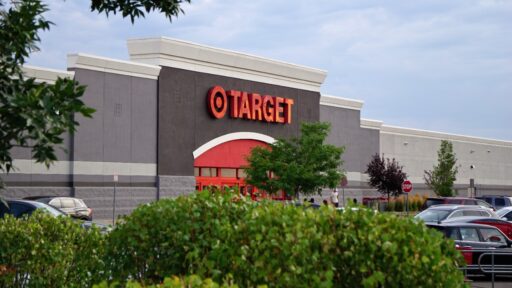
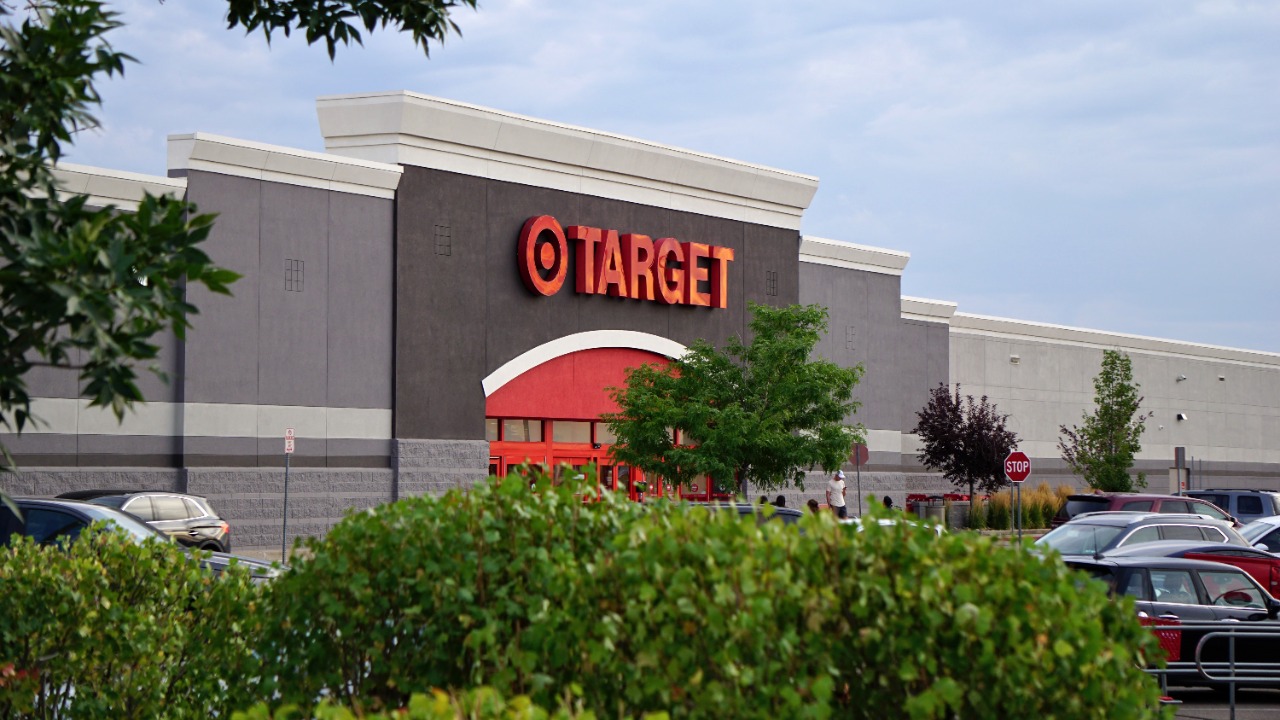

A colorful bath toy is supposed to make playtime fun, simple, and safe. For parents, toys used in the bath are often seen as harmless because they are soft-looking, bright, and designed for young children. But a recent recall involving a popping toy sold at Target is a reminder that even small, playful products can become dangerous when parts detach.
Target has recalled about 49,000 Gigglescape Under the Sea Popping Toys because the clear plastic dome can detach from the blue base, making the small plastic balls inside accessible to children. Those small balls can pose a choking hazard, especially for babies and toddlers who naturally put toys and loose pieces in their mouths.
According to the official U.S. Consumer Product Safety Commission recall notice, the recall was issued on July 2, 2026. The agency said Target received nine reports of the toy’s dome detaching, including one report of a child who began to choke on the internal balls.
That detail makes the recall especially important. This is not only a theoretical product defect. The toy has already been connected to a reported choking incident, which means families should act quickly if they have it at home.
What Toy Was Recalled
The recalled product is the Gigglescape Under the Sea Popping Toy, sold exclusively at Target. The toy has a blue whale-shaped base, a clear plastic dome, small plastic balls inside the dome, and a penguin-shaped plunger that makes the balls pop when pressed.
The recalled toy was sold at Target stores nationwide and online at Target.com from August 2025 through January 2026 for about $10, according to the CPSC recall page.
The recall affects about 49,000 units. Parents who bought bath toys, baby toys, or small play toys from Target during that period should check whether this product is in their home, bathroom, toy bin, diaper bag, or storage basket.
The toy may not look dangerous at first glance. The issue is not the full toy when it is intact. The hazard appears when the clear dome separates from the base and the small internal balls become loose. Once those balls are accessible, they can fit into a child’s mouth and create a choking risk.
Why the Choking Risk Is Serious
Choking is one of the most frightening hazards for parents because it can happen quickly and quietly. Young children explore the world by touching, biting, mouthing, and chewing objects. This is normal development, but it also means small parts can become dangerous fast.
Babies and toddlers have smaller airways than adults, and they do not always have the ability to cough out a stuck object. A small toy part can block breathing, cause panic, or lead to serious injury.
The American Academy of Pediatrics warns that small objects, toy parts, and round items can be choking hazards for young children. That is why toy safety standards pay close attention to small parts, especially for products intended for children under three.
This recall matters because the toy’s internal balls were not supposed to be accessible. A product can pass as safe when sealed, but if a piece detaches during play, the risk changes immediately.
What Parents Should Do Now
Parents and caregivers should immediately take the recalled toy away from children. It should not be used in the bath, on the floor, in a playpen, in a car seat, or during supervised play. Once a product has been recalled for choking risk, the safest move is to remove it from the child’s environment completely.
The CPSC recall notice says consumers should return the recalled toy to any Target store for a full refund. Consumers can also contact Target to receive a prepaid return label and send the toy back by mail.
Target can be contacted toll-free at 800-591-3869 from 7 a.m. to 10 p.m. CT daily. Consumers can also visit Target’s recalls page for more information.
Parents should avoid trying to repair, glue, tape, or modify the toy. A repaired toy may still fail again, and small parts may still become accessible. With children’s products, especially those used by infants and toddlers, a recalled toy should be treated as unsafe.
Why Bath Toys Need Extra Attention
Bath toys can be tricky because they are used in wet, slippery, distracting environments. During bath time, parents may be washing a child, reaching for a towel, adjusting water temperature, or managing siblings nearby. Even when a caregiver is present, attention can shift for a few seconds.
That is why bath toys should be especially simple, sturdy, and free of detachable small parts. If a toy breaks in the tub, small pieces can be hard to see in bubbles, water, or bath foam. A loose ball or plastic piece can quickly end up in a child’s hand or mouth.
The CPSC advises families to choose toys that are appropriate for a child’s age and to check toys regularly for damage, loose parts, sharp edges, or breakage. This advice is especially useful for toys exposed to water, squeezing, pulling, and repeated impact.
Parents may also want to inspect bath toys more often than regular toys because water can affect plastic, seams, seals, and moving parts over time. If a toy has a dome, button, rattle chamber, popping feature, or sealed compartment, it should be checked carefully for cracks or separation.
Why Recalls Can Be Easy to Miss
Many recalled toys remain in homes long after a recall is announced. Parents may not see the notice, especially if the toy was bought months earlier, gifted by someone else, purchased online, or placed in a toy bin with many other items.
This is one reason toy recalls can be hard to manage. A product may no longer be on store shelves, but thousands of units may still be in bathrooms, playrooms, daycare centers, grandparents’ homes, and secondhand storage boxes.
Coverage from Parents reported that the Gigglescape Under the Sea Popping Toy recall involved about 49,000 units and followed several reports of the dome detaching, including one choking incident. That kind of reporting helps spread the warning, but parents should still rely on official recall pages for product details and instructions.
Families who buy children’s products frequently may want to check recall databases regularly. The CPSC recalls page lists current safety recalls for toys, furniture, baby products, appliances, and other consumer items.
The Bigger Lesson for Toy Safety
This recall also points to a larger issue with toys that contain hidden small parts. A toy may look safe because the small pieces are sealed inside, but if the outer shell fails, those pieces can become a hazard.
Popping toys, rattles, activity toys, and sealed sensory toys often contain beads, balls, pellets, or small shapes that move around inside. These features can be fun and engaging for kids, but they depend on the toy staying sealed during normal use.
Parents do not need to avoid every toy with moving parts, but they should pay attention to build quality and check toys often. If a toy has a cracked dome, loose seam, broken button, rattling part that seems exposed, or any piece that separates from the base, it should be removed immediately.
For younger children, bigger and simpler toys are often safer. Toys intended for infants and toddlers should not have small removable pieces, weak plastic compartments, or parts that can break off easily.
What to Do If a Child May Have Choked
If a child began choking, even briefly, parents should take the situation seriously. A child who coughs out an object and seems fine may still need observation. If there was trouble breathing, bluish lips, persistent coughing, wheezing, vomiting, or unusual behavior afterward, medical advice should be sought quickly.
The American Red Cross provides guidance on responding to choking in babies and children, but parents should consider hands-on first aid training rather than relying only on reading instructions during an emergency.
A recall like this is also a good reminder for caregivers, grandparents, babysitters, and daycare workers to know basic choking response. The best outcome is always prevention, but quick action can matter when a small object blocks a child’s airway.
Why “Supervised Play” Is Not Enough
Some parents may wonder whether they can keep using the toy if they supervise closely. With a recalled choking hazard, that is not a good idea. Supervision helps reduce risk, but it does not fix the defect.
A dome can detach suddenly. Small balls can scatter. A child can put an object in their mouth in seconds. During bath time, those seconds may be even harder to control because hands are wet and the child may be moving.
That is why the recall instructions are not to supervise more carefully. The instruction is to stop using the toy and return it for a refund.
This distinction matters. Some products can be made safer through different use, but a recalled toy with detachable parts should be removed from use entirely.
The Bottom Line
Target’s recall of the Gigglescape Under the Sea Popping Toy is a serious warning for parents and caregivers. About 49,000 units were recalled because the clear plastic dome can detach from the blue base and expose small plastic balls inside the toy, creating a choking hazard for children.
The toy was sold exclusively at Target stores and online from August 2025 through January 2026. Target received nine reports of the dome detaching, including one report of a child who began to choke.
Families should immediately take the toy away from children and return it to any Target store for a full refund, or contact Target for a prepaid return label. The toy should not be repaired, reused, donated, or kept for future play.
Bath toys should make playtime safer and happier, not introduce hidden risks. This recall is a reminder to check children’s toys regularly, follow official recall notices, and act quickly when a product is linked to choking hazards.