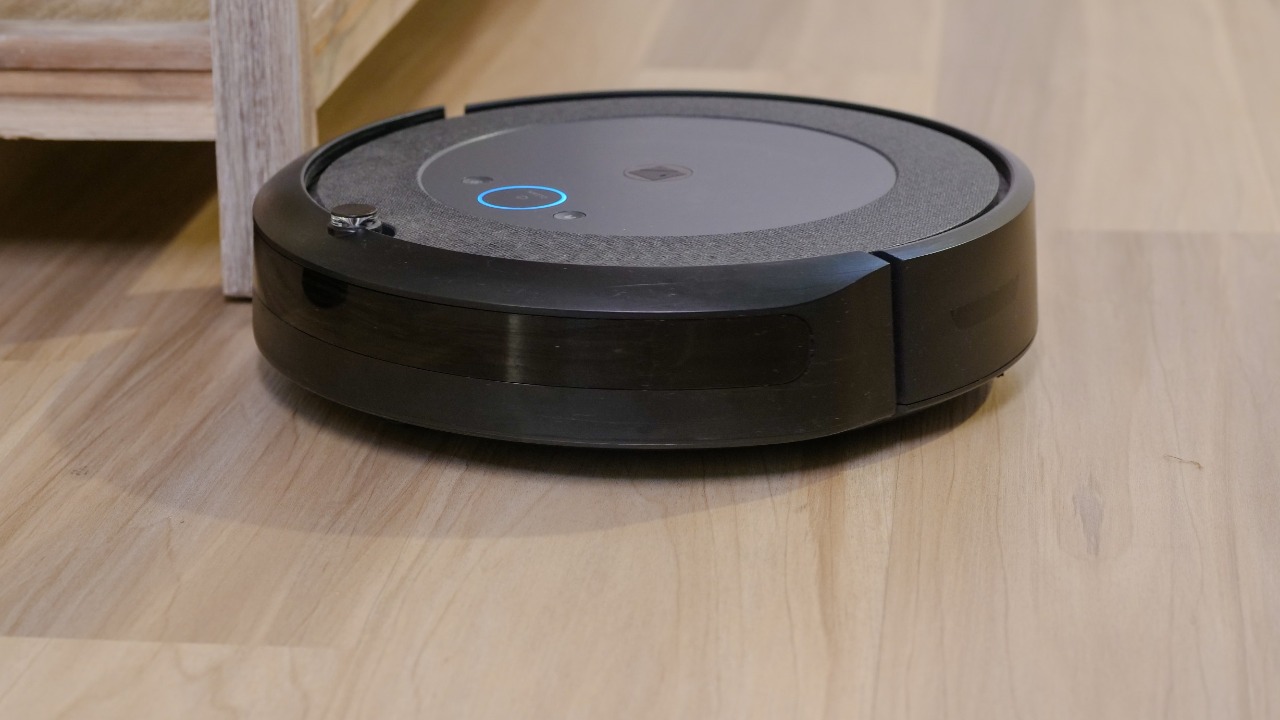

A device designed to clean floors became a potential window into thousands of private homes after a serious security flaw was discovered in a popular robot vacuum system.
Software engineer Sammy Azdoufal reportedly gained access to approximately 7,000 DJI Romo robot vacuums across 24 countries while experimenting with his own device. The discovery revealed that an authorization problem could allow someone to control affected vacuums remotely, view live camera feeds, access microphone audio and examine detailed maps of users’ homes.
How the Robot Vacuum Vulnerability Was Discovered
Azdoufal was not initially trying to break into other people’s devices. He wanted to create an application that would allow him to control his DJI Romo vacuum using a PlayStation 5 controller.
While examining how his vacuum communicated with DJI’s servers, he discovered that his access credentials were not properly restricted to his own device. Instead, thousands of other robot vacuums reportedly began responding as though he were their authorized owner.
According to The Verge’s investigation, the problem involved insufficient permission validation within the company’s backend messaging system. This meant an authenticated connection could potentially receive information belonging to many other devices rather than only the vacuum linked to the account.
What Information Was Potentially Exposed?
The vulnerability was particularly serious because modern robot vacuums can collect much more than basic cleaning data.
Affected devices could reportedly provide live camera footage, microphone audio, cleaning schedules, battery information and two-dimensional floor plans. Internet addresses associated with the vacuums could also reveal their approximate geographical locations.
A home map may show the position of bedrooms, hallways, entrances and furniture. When combined with cleaning schedules or device activity, this information could potentially reveal when residents are home, how their property is arranged and which rooms the vacuum regularly enters.
The incident therefore demonstrates why cameras and microphones inside internet-connected household appliances require the same security attention as laptops, smartphones and dedicated surveillance systems.
Was the Security Flaw Exploited by Criminal Hackers?
There is no evidence in the available reporting that Azdoufal used the access maliciously. He disclosed the problem rather than attempting to spy on users or misuse their information.
However, the weakness showed what could have been possible if a malicious hacker had discovered the same authorization failure. An attacker might have been able to move a vulnerable vacuum around a house, observe rooms through its camera, listen through its microphone or collect information about the property’s layout.
The incident should therefore be understood as an exposed security risk rather than proof that every affected household was actively watched.
DJI said the problem involved a backend permission-validation issue and reported that corrective measures were completed in February 2026. The company also indicated that users did not need to perform a manual update for the server-side fix.
This Is Not the First Robot Vacuum Security Scare
Robot vacuum privacy concerns are not limited to one manufacturer.
In 2024, owners of some Ecovacs robot vacuums reported devices being remotely controlled while their speakers were used to broadcast abusive language. Security researchers had previously raised concerns involving Bluetooth access, PIN protection and camera-related features in certain models.
An ABC News investigation into robot vacuum security also demonstrated how weaknesses in connected vacuums could expose camera images and audio. These cases show that smart-home security problems can affect multiple brands and should not be treated as an isolated manufacturing mistake.
Why Robot Vacuums Are Valuable Targets
A traditional vacuum cleaner has limited privacy implications because it does not communicate with external servers. A smart robot vacuum may connect continuously to a mobile application, home Wi-Fi network and cloud platform.
Some models use cameras for obstacle avoidance or remote monitoring. Others store highly accurate maps to improve navigation and room-specific cleaning. Microphones may support voice communication, remote supervision or other interactive features.
Each additional sensor or cloud function expands the amount of information that must be protected. Even when data is encrypted while travelling across the internet, weak account permissions or faulty server controls can still expose information after a connection has been authenticated.
Research into robot-vacuum privacy has also found that network metadata can reveal information about cleaning activity and household behaviour, even when the underlying communications are encrypted.
How Owners Can Reduce the Risk
Robot vacuum owners should first confirm that their device and mobile application are running the latest available software. Automatic updates should remain enabled where possible because manufacturers frequently distribute security fixes through firmware and application updates.
The vacuum account should use a long, unique password that is not shared with email, banking or social-media accounts. Multi-factor authentication should also be activated whenever the manufacturer supports it.
Owners can place smart appliances on a separate guest or Internet of Things network rather than connecting them to the same network used by work computers, personal storage devices and other sensitive systems.
The US Cybersecurity and Infrastructure Security Agency recommends using unique passwords, updating router firmware and regularly applying security updates to connected devices. Its home Wi-Fi security guidance provides additional steps for protecting household networks.
Camera access, microphone functions and remote viewing should be disabled when they are not needed. Owners should also review the application’s privacy permissions and remove old devices from their accounts before selling, recycling or giving them away.
Smart Convenience Comes With a Privacy Cost
Robot vacuums can save time, navigate around furniture and clean rooms without constant supervision. However, the same features that make them convenient can also make them unusually sensitive smart-home devices.
A vacuum with a camera, microphone, cloud connection and detailed floor map is not merely a cleaning appliance. It is a mobile, internet-connected sensor operating inside some of the most private areas of a home.
The DJI Romo incident demonstrates how one backend permission error can expose thousands of devices at the same time. Manufacturers must therefore treat access control, responsible vulnerability disclosure and long-term security updates as essential product features rather than optional technical improvements.
Consumers should not panic or assume that every robot vacuum is spying on them. They should, however, understand what information their device collects, keep it updated and disable any connected features they do not actually use.