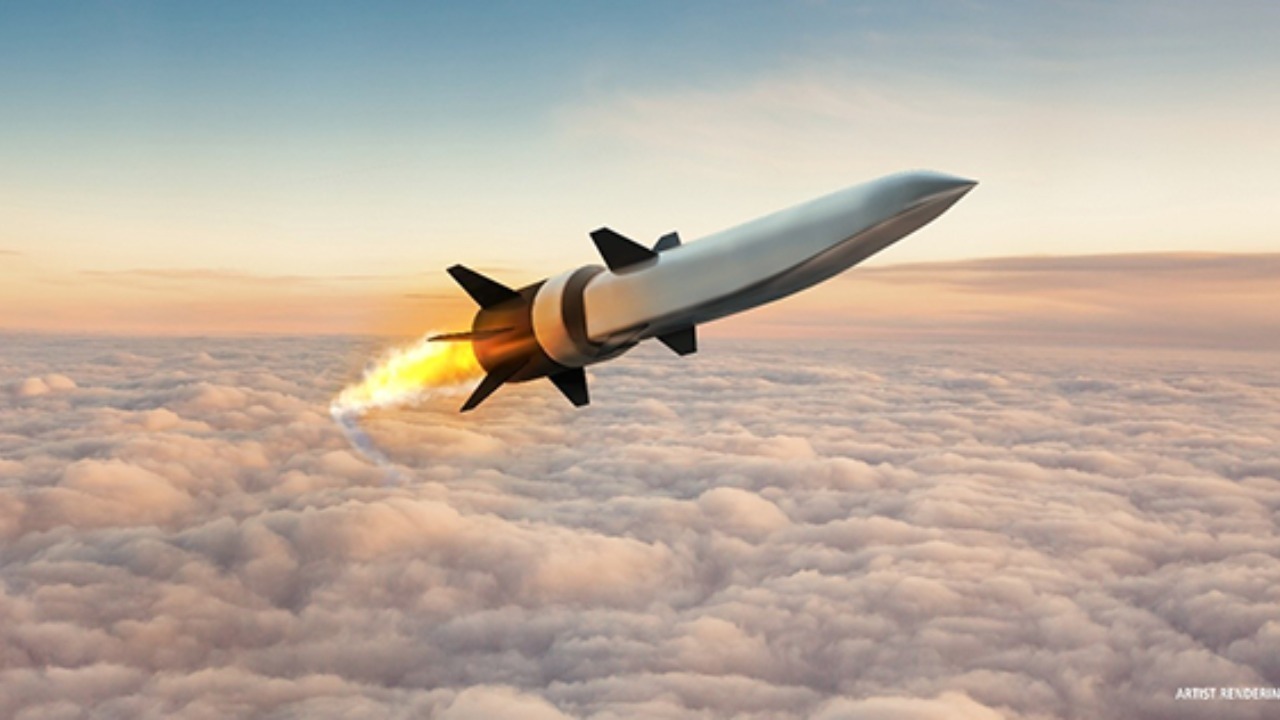

Northrop Grumman’s Glide Phase Interceptor program, a ship-launched anti-hypersonic missile effort for the Missile Defense Agency, is now projected to deliver an operational capability in 2031. The revised timeline pushes the fielding of a dedicated defense against hypersonic glide vehicles into the next decade, even as potential adversaries continue to test faster and more maneuverable weapons.
The Glide Phase Interceptor, or GPI, is intended to give U.S. Navy surface ships a way to strike hypersonic threats in the vulnerable glide portion of flight, before they can maneuver toward high-value targets. The new 2031 schedule reflects both the technical complexity of that mission and earlier program turbulence that government and industry officials now say is back under control.
How the Glide Phase Interceptor program ended up on a 2031 delivery timeline
The Missile Defense Agency initially pursued a more aggressive schedule for a sea-based interceptor that could counter hypersonic glide vehicles. That ambition ran into problems as the agency refined requirements, balanced budgets, and evaluated competing designs. According to program officials, the Glide Phase Interceptor effort went through a period of uncertainty before being described as back on track, with a clearer path to a 2031 fielding goal for a ship-launched capability that can operate within the Aegis combat system on Navy destroyers and cruisers.
Northrop Grumman’s concept must fit into the Navy’s existing vertical launch system, integrate with Aegis sensors and fire control, and still deliver the speed and maneuverability needed to catch a hypersonic target in the upper atmosphere. That combination of constraints has added schedule risk, since the interceptor is not just a missile but part of a larger kill chain that includes space-based sensors, ground processing, and shipboard command and control. As the Missile Defense Agency adjusted its broader hypersonic defense architecture, the GPI schedule shifted as well, eventually settling on the 2031 timeframe that officials now describe as realistic.
Program leaders have framed the current plan as a disciplined ramp that moves from design to ground testing and then to flight tests later in the decade. The Glide Phase Interceptor is expected to go through a series of developmental shots before any declaration of initial operational capability. Those test events will have to demonstrate reliable booster performance, seeker discrimination against complex backgrounds, and successful engagements of representative hypersonic targets. Each step adds time but is considered necessary to avoid fielding a weapon that cannot match the maneuvering behavior of the threats it is meant to defeat.
Recent reporting on the Missile Defense Agency’s hypersonic defense portfolio indicates that the agency has reaffirmed its commitment to a ship-based interceptor that can be cued by a future space sensor layer. The Glide Phase Interceptor is central to that plan, and officials have described the program as back on track after earlier turbulence in scope and schedule, with the new 2031 delivery objective now shaping contract and test planning for industry partners such as Northrop Grumman.
Why a ship-launched hypersonic interceptor matters for U.S. defense strategy
Hypersonic glide vehicles present a different challenge from traditional ballistic missiles. Instead of following a predictable arc through space, they can maneuver within the atmosphere at very high speeds, complicating both tracking and interception. For U.S. forces and allies in regions such as the Pacific and Europe, that means critical assets like carrier strike groups, air bases, and logistics hubs could be at higher risk unless new defensive systems are fielded.
A ship-launched interceptor such as GPI is designed to give the Navy and the Missile Defense Agency a flexible way to protect those assets. By using existing Aegis-equipped ships as the launch platform, the United States can move hypersonic defense coverage where it is needed, rather than relying solely on fixed ground sites. That mobility is particularly relevant in contested maritime regions where destroyers and cruisers already operate as part of integrated air and missile defense networks.
The 2031 delivery timeline therefore has strategic implications. It signals that the United States is investing in a dedicated answer to hypersonic glide vehicles and is willing to take on the technical risk of a new interceptor class. It also means that for the rest of this decade, U.S. forces will depend on a mix of existing missile defenses, electronic warfare, dispersal tactics, and early warning to manage a threat that is evolving quickly.
Allies and partners are watching closely. Nations that operate Aegis ships or rely on U.S. naval presence for regional stability have a direct interest in whether GPI arrives on time and performs as advertised. If the program stays on its current trajectory, it could eventually be part of a layered architecture in which space-based sensors detect and track hypersonic launches, command centers assign interceptors, and Aegis ships fire GPI rounds to engage threats in the glide phase while other systems cover terminal defense or lower tier threats.
There are also industrial and budgetary stakes. A long development path to 2031 gives Northrop Grumman and its suppliers some predictability, but it also exposes the program to shifting priorities and potential competition from alternative technologies. Directed energy concepts, advanced electronic attack, and other non-kinetic approaches to hypersonic defense are under study, and any breakthrough could influence how many interceptors the Pentagon ultimately buys or how it deploys them. For now, though, the Glide Phase Interceptor remains the centerpiece of the Missile Defense Agency’s plan for a ship-based answer to hypersonic glide vehicles.
Key technical and operational questions as GPI moves toward 2031
Technical risk will define the next several years of work on the Glide Phase Interceptor. The missile must accelerate quickly enough to reach a hypersonic glide vehicle in its midcourse glide window, then maneuver with sufficient agility to stay on target as the threat executes unpredictable turns. That demands an advanced propulsion stack, high-authority control surfaces or thrust vectoring, and a seeker that can distinguish a real target from decoys and atmospheric clutter.
Integration with the Aegis combat system is another major challenge. The interceptor will rely on cueing from offboard sensors, including planned space-based tracking assets, as well as shipboard radars. Software updates to Aegis will be needed to process hypersonic tracks, calculate firing solutions, and manage engagement timelines that are tighter than those for ballistic missiles. Any delay in sensor development or Aegis upgrades could ripple into the GPI schedule, even if the interceptor hardware progresses on time.
Operational concepts are still taking shape. Commanders will have to decide how many GPI rounds to carry on a given ship, how to balance them against other missiles in the vertical launch system, and how to coordinate engagements with allied forces. Training and doctrine will need to account for the fact that hypersonic threats might require earlier engagement decisions, since waiting for more data could mean losing the opportunity to intercept in the glide phase.
Testing will provide answers to some of these questions but may also surface new issues. Live-fire events against representative hypersonic targets are expensive and technically demanding, yet they are essential for validating models and simulations. Any failed test or significant anomaly could force design changes that add months or years to the schedule. The 2031 goal assumes a test campaign that encounters challenges but not program-killing surprises.
What to watch as the Glide Phase Interceptor heads toward deployment
Several milestones will signal whether the 2031 delivery target is realistic. The transition from design reviews into full-scale hardware fabrication will show how mature Northrop Grumman’s design truly is. Successful booster tests, seeker demonstrations in relevant environments, and early integration trials with Aegis software will all serve as indicators that the program is moving beyond paper concepts.
Congressional support is another variable. Lawmakers control funding profiles and can accelerate or slow a program through appropriations decisions. If hypersonic threats remain a prominent concern in defense debates, GPI could benefit from stable or increased funding that helps keep testing on schedule. Conversely, competing priorities such as nuclear modernization, conventional munitions, and emerging technologies could squeeze the resources available for an interceptor that will not field until the next decade.