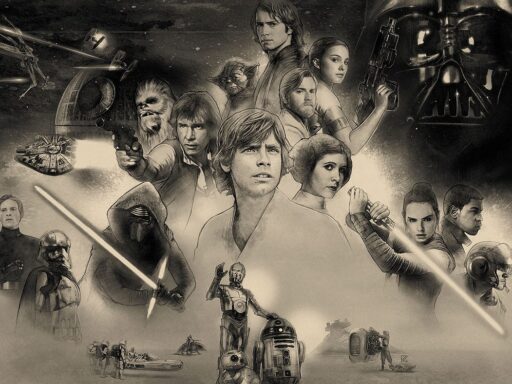

Few modern science-fiction movies have captured the chaotic energy of a dysfunctional space crew as successfully as Guardians of the Galaxy. The Marvel film combined strange planets, reluctant heroes, emotional backstories, explosive battles, and constant arguments aboard a single spacecraft. Viewers searching for another adventure with that same combination may find exactly what they need in the Korean science-fiction movie Space Sweepers.
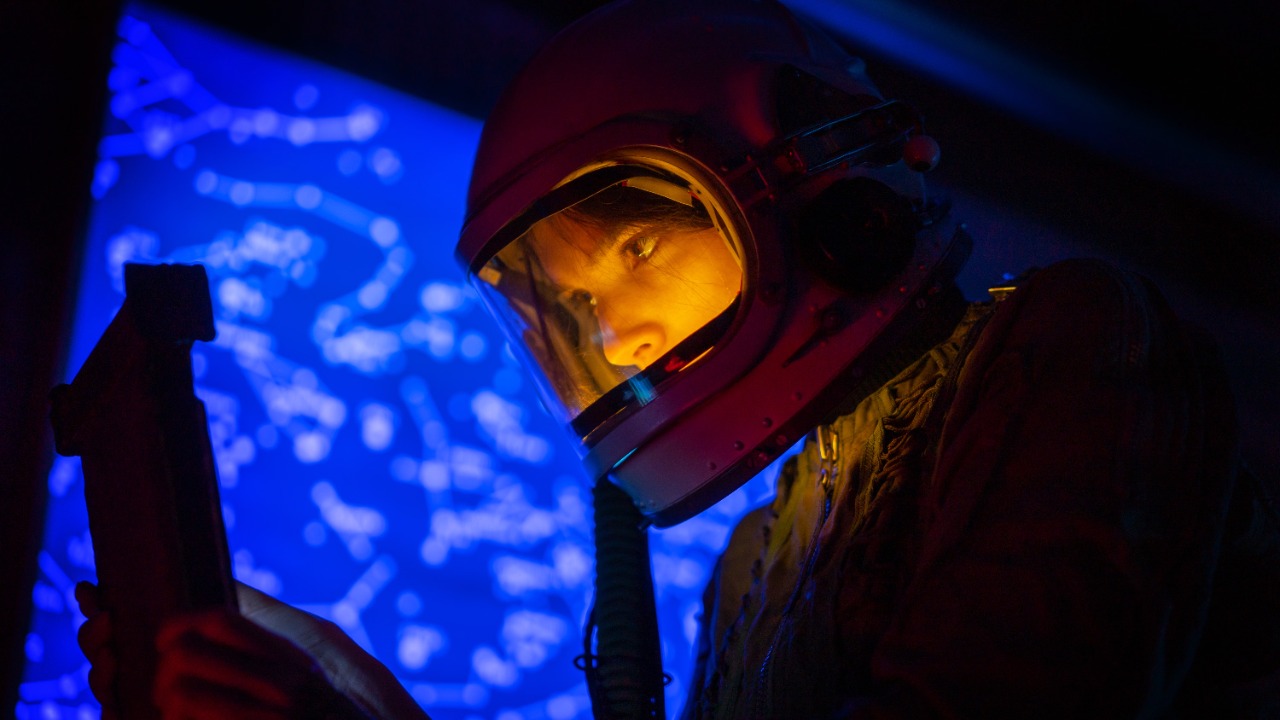
Released in 2021 and directed by Jo Sung-hee, Space Sweepers follows the crew of the Victory, a spacecraft that earns money by collecting valuable debris floating around Earth. The story takes place in 2092, when environmental destruction has made the planet increasingly difficult to inhabit. The crew’s ordinary scavenging operation becomes far more dangerous after they discover a young humanoid named Dorothy, who is believed to be connected to a powerful weapon.
The official Netflix page for Space Sweepers describes the central characters as four misfits chasing space debris and distant dreams. That description immediately reveals why the movie appeals so strongly to audiences who enjoy stories about unlikely heroes thrown together by circumstance.
A Lovable Crew of Intergalactic Misfits
The greatest similarity between Space Sweepers and Guardians of the Galaxy is not a particular spaceship, villain, or action sequence. It is the crew.
The Victory is operated by people who are talented enough to survive in space but financially desperate enough to accept almost any job. Tae-ho, played by Song Joong-ki, is a skilled pilot carrying considerable emotional pain. Captain Jang, portrayed by Kim Tae-ri, is the confident and intimidating leader of the group. Tiger Park, played by Jin Sun-kyu, appears physically threatening but gradually reveals a much softer personality. The ship is completed by Bubs, a sarcastic robot voiced by Yoo Hai-jin.
Their personalities clash constantly. They argue about money, responsibilities, plans, and personal priorities, yet they are forced to trust one another whenever a dangerous situation develops. That tension creates the same kind of entertaining group chemistry that made Marvel’s cosmic heroes so memorable.
The official Marvel description of Guardians of the Galaxy presents its heroes as intergalactic outlaws who become unlikely defenders of the universe. Space Sweepers follows a comparable emotional path. Its characters begin as struggling workers concerned mainly with survival and personal gain, but circumstances gradually push them toward a cause much larger than themselves.
The Movie Builds a Lived-In Version of Space
Many science-fiction productions present space as polished, silent, and technologically perfect. Space Sweepers takes a dirtier and more practical approach. Its ships are crowded, damaged, noisy, and clearly built for work rather than luxury.
The Victory feels less like a futuristic military vessel and more like an old commercial truck that has been repaired repeatedly. Equipment is stacked in narrow rooms, controls show years of use, and almost every decision is influenced by the crew’s lack of money. This worn-down design gives the movie a distinctive personality while making its futuristic world feel surprisingly believable.
The larger setting also carries an obvious social divide. Wealthy citizens have access to cleaner and more comfortable environments, while workers risk their lives collecting debris and competing for limited resources. Earth’s environmental decline is not simply background decoration. It shapes the economy, the characters’ motivations, and the decisions made by the film’s powerful institutions.
The Korean Film Council described Space Sweepers as Korea’s first space-set blockbuster, reflecting the importance of the production within the country’s science-fiction industry. Its scale allowed the filmmakers to create crowded orbital stations, high-speed chases, industrial spacecraft, artificial habitats, and large battles without losing the human story at the center.
Fast Action Without Losing the Characters
Space Sweepers understands that a space adventure needs movement. The movie includes debris-collecting races, narrow escapes, competing ships, mechanical failures, firefights, and large-scale confrontations. The action rarely feels separate from the characters because every sequence reveals something about how the crew works together.
Captain Jang approaches danger with determination and strategic control. Tae-ho depends on instinct and exceptional piloting ability. Tiger Park handles physical threats directly, while Bubs contributes technical skill and humor. Their individual strengths make the group effective, even when their disagreements make cooperation difficult.
The action carries some of the speed and visual excitement associated with Guardians of the Galaxy, but Space Sweepers does not simply imitate Marvel’s formula. Its tone is more emotionally direct, its economic concerns are more visible, and its world places greater emphasis on labor, debt, environmental collapse, and inequality.
That distinction helps the movie develop its own identity. It provides the accessible excitement of a cosmic blockbuster while grounding the story in anxieties that feel connected to contemporary life.
Dorothy Becomes the Heart of the Story
The discovery of Dorothy transforms the Victory’s crew from scavengers into reluctant participants in a much larger conflict. At first, the child appears to represent a possible financial reward. Different organizations are searching for her, and the crew believes that returning her to the right buyer could solve many of its financial problems.
The situation becomes more complicated as Dorothy develops relationships with the people aboard the ship. Her curiosity and innocence expose the emotional weaknesses each crew member tries to hide. Tiger Park becomes protective, Captain Jang begins reconsidering the mission, and Tae-ho is forced to confront painful memories from his past.
This emotional development is another reason the film satisfies the Guardians of the Galaxy craving. Both stories understand that a group of unusual characters becomes compelling when their personal wounds are revealed beneath the comedy and action. The audience is not simply watching capable fighters defeat an enemy. It is watching isolated people slowly create a family.
The movie’s emotional scenes can occasionally feel more sentimental than subtle, but that sincerity is also one of its strengths. Space Sweepers is unafraid to pause its spectacle and allow its characters to care deeply about one another.
Kim Tae-ri Commands Every Scene
Kim Tae-ri’s Captain Jang is one of the film’s strongest elements. The character possesses the authority and confidence expected from a spaceship captain, yet she remains unpredictable enough to keep the crew and audience uncertain about her next decision.
Captain Jang is not presented as a flawless commander. She has her own history, political motivations, and personal anger. Her leadership comes from experience rather than idealism, which makes her eventual choices more meaningful.
Song Joong-ki provides the emotional center through Tae-ho. His performance balances charm, exhaustion, grief, and self-interest without turning the character into a conventional hero. Jin Sun-kyu gives Tiger Park an effective mixture of physical power and warmth, while Yoo Hai-jin ensures that Bubs feels like a genuine member of the crew rather than a simple robotic sidekick. Netflix lists Song Joong-ki, Kim Tae-ri, Jin Sun-kyu, Yoo Hai-jin, Richard Armitage, and Park Ye-rin among the principal cast.
It Is More Than a Guardians of the Galaxy Alternative
Comparisons help viewers understand the movie’s appeal, but Space Sweepers deserves recognition on its own terms. It represents a major Korean attempt to enter the large-scale space-opera genre while retaining storytelling elements associated with Korean cinema.
The movie combines international characters and languages, yet its emotional approach remains closely connected to themes of sacrifice, social responsibility, family, and economic survival. Its heroes are not royalty, soldiers, or wealthy explorers. They are workers collecting discarded materials from orbit because they need to pay their bills.
That perspective gives the film a grounded identity beneath its elaborate visual effects. Space may contain advanced technology and artificial settlements, but ordinary people still struggle with debt, employment, exploitation, and unequal access to safety.
The production also received significant recognition within international science fiction. The Korean Film Council reported that Space Sweepers received nominations connected to both the Hugo Awards and Nebula Awards, making it the first Korean film nominated for the two prominent science-fiction honors at the same time.
Why Guardians Fans Should Watch Space Sweepers
Audiences drawn to sarcastic robots, unusual spacecraft, explosive battles, emotional redemption, and crews that argue like families will find plenty to enjoy. The film moves quickly, offers a visually ambitious futuristic world, and gives each major character a recognizable role within the group.
It does not reproduce the musical identity or comic-book mythology of Marvel’s cosmic franchise. Instead, it captures the more important ingredients: flawed outsiders, energetic action, heartfelt relationships, and an adventure that grows from a questionable business opportunity into a fight with enormous consequences.
Space Sweepers may not replace Guardians of the Galaxy, nor does it need to. It succeeds by taking the pleasures of a misfit space adventure and filtering them through a different cinematic culture, social perspective, and emotional style.
For viewers scrolling through Netflix in search of a colorful science-fiction movie with humor, heart, and a memorably chaotic crew, the Victory may be the ideal ship to board next. Availability can differ by region, but the movie remains listed through Netflix’s official title page.