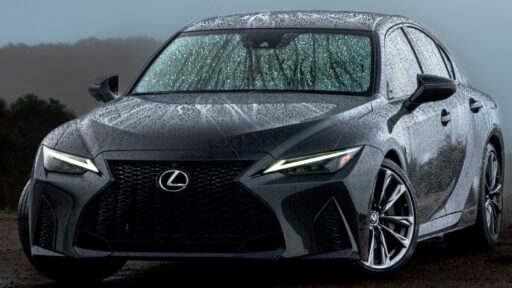
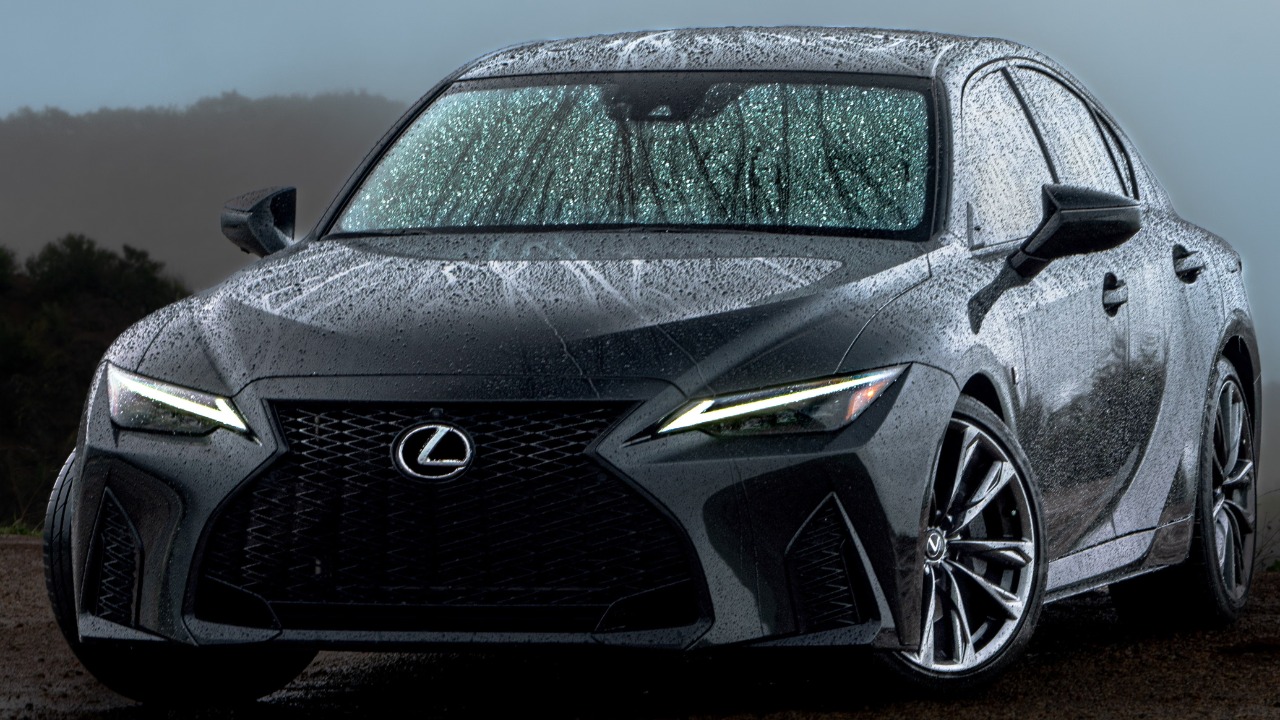

Lexus and Toyota have once again risen to the top of independent reliability charts, this time in a study that tracked problems on 380,000 vehicles. For used-car shoppers facing high prices and tight supply, the dominance of these two brands is more than a bragging right; it is a practical roadmap for where to put limited money with the least risk.
The latest rankings combine large-scale owner surveys and defect data, showing that the same conservative engineering and quality control that built Toyota’s reputation in the 1990s still pays off in the age of touchscreens and turbochargers.
How the latest reliability rankings reshaped the pecking order
The new analysis of 380,000 vehicles sits alongside fresh data from major consumer surveys, and together they reveal a clear pattern. In updated reliability rankings based on owner-reported problems, Lexus and Toyota sit at or near the top of the brand table, ahead of many premium European badges and several domestic nameplates.
Those findings align with long-term dependability studies that track issues as vehicles age. A recent used-vehicle report built from large samples of three-year-old and five-year-old cars again places Lexus and Toyota in leading positions for low defect counts, while brands that emphasize cutting-edge infotainment or complex drivetrains tend to slide down the list as their cars accumulate miles.
The shift appears not only between brands, but also between new and used vehicles. A breakdown of the most reliable car on the new-car side versus the used-car side shows that some manufacturers perform well when cars are fresh yet fall sharply once they pass the warranty window. Lexus and Toyota, by contrast, stay near the top on both lists, suggesting that their reliability advantage strengthens rather than fades with age.
Segment by segment, the same pattern emerges. Compact crossovers such as the Toyota RAV4 and Lexus NX, midsize sedans such as the Toyota Camry, and body-on-frame SUVs like the Lexus GX consistently record fewer serious issues than rivals of similar age. In electric and hybrid categories, Toyota’s long-running hybrid systems also show fewer high-cost failures than newer, less proven powertrains from other brands.
Why Toyota and Lexus keep winning on reliability metrics
Behind the rankings are specific engineering and product-planning choices. Surveys of owners of new vehicles, such as the most reliable new lists, show that brands that avoid first-generation powertrains and limit rapid technology rollouts tend to score higher. Toyota and Lexus typically introduce engines, transmissions, and hybrid systems in one or two models, refine them for several years, then spread them across the lineup only after real-world data confirms durability.
This conservative approach contrasts with manufacturers that push frequent redesigns, multi-gear automatic transmissions, or early-adopter infotainment. Owner feedback in large surveys repeatedly points to problems with in-car electronics, touchscreens, and driver-assistance systems. Because Toyota and Lexus often prioritize simpler interfaces and incremental updates, their vehicles accumulate fewer complaints in these categories.
Used-vehicle dependability rankings from large datasets, such as the list of most dependable used, highlight specific models. Lexus RX and Lexus ES sedans, along with Toyota Corolla, Camry, and Highlander, appear frequently among the best performers in three-year and five-year reliability windows. These models share long-running platforms and components, which means that by the time a given model year reaches the used market, most design flaws have already been ironed out.
Brand-level comparisons from broader analyses, such as the most reliable car rankings, reinforce the idea that corporate culture matters as much as individual models. Toyota Motor Corporation’s emphasis on continuous improvement, supplier discipline, and early detection of defects shows up in lower average problem counts across its portfolio. Even when specific models have recalls or known issues, the overall pattern still favors Toyota and Lexus when compared with peers that chase rapid innovation or ultra-low production costs.
Powertrain strategy is another factor. While many rivals rushed into small turbocharged engines and complex dual-clutch transmissions to meet emissions and performance targets, Toyota leaned heavily on naturally aspirated engines and its hybrid system architecture. Owner-reported data suggests that these choices result in fewer catastrophic engine or transmission failures as vehicles age, which is critical for buyers of 6- to 10-year-old cars.
Why the rankings matter more than ever for used-car buyers
High interest rates and elevated used-car prices have made reliability a financial issue rather than just a convenience. When a typical five-year-old SUV costs as much as a new compact car used to, a failed transmission or hybrid battery can wipe out any savings from buying secondhand. The 380,000-vehicle study, aligned with other large datasets, gives shoppers a way to quantify that risk rather than rely on anecdotes.
For budget-focused buyers, the gap between a top-ranked Lexus or Toyota and a mid-pack rival can mean thousands of dollars in avoided repairs over a typical ownership period. Owners of vehicles from brands that rank lower on long-term surveys report higher rates of engine, transmission, and electronic failures after the warranty expires. By contrast, high-scoring models such as the Toyota Prius or Lexus RX often log only minor issues like wear items and occasional sensor replacements.
The rankings also matter for financing and insurance. Lenders and extended-warranty providers quietly factor brand and model reliability into their pricing. Vehicles with strong long-term records tend to qualify for more favorable loan terms and lower warranty premiums, since the risk of major claims is lower. That effect can narrow or even erase the upfront price difference between a slightly more expensive Toyota or Lexus and a cheaper rival with a weaker history.
For first-time buyers and drivers who cannot afford long downtime, the data provides a safety net. A college graduate choosing between a six-year-old compact from a lower-ranked brand and a slightly older Toyota Corolla can weigh not only mileage and features, but also the documented probability of expensive failures. In many cases, a higher-mileage Toyota or Lexus still presents less risk than a lower-mileage alternative that scores poorly on long-term dependability charts.
There is also a broader industry signal. As more shoppers pay attention to these rankings, manufacturers that trail Toyota and Lexus on reliability face pressure to rethink product strategies. High defect rates on complex infotainment or advanced driver-assistance systems can erode resale values and push buyers toward brands that have shown they can integrate new technology without sacrificing durability.
How the new data will shape future models and used-car strategies
The consistency with which Lexus and Toyota lead both new and used reliability rankings is already influencing how other automakers plan their next generations of vehicles. Some brands that previously emphasized rapid redesign cycles are now stretching product lifespans, giving engineers more time to validate new components before full-scale launches. Others are reevaluating whether every model needs a unique powertrain, or whether a smaller set of proven engines and transmissions can reduce long-term warranty exposure.
On the used-car side, dealers and certified pre-owned programs are likely to lean harder into brands with strong reliability reputations. Inventory managers who track auction data see that late-model Lexus and Toyota vehicles often command higher wholesale prices, yet still sell quickly at retail because buyers trust the nameplates. The new 380,000-vehicle study gives those managers more granular evidence to prioritize certain model years and trims that historically avoid high-cost failures.
For Toyota Motor Corporation, the challenge is to maintain this advantage while accelerating into electrification and software-heavy cockpits. The company’s hybrids already show that it can deliver complex technology with relatively low failure rates, but full battery-electric platforms and over-the-air software updates introduce new failure modes. Future reliability rankings will test whether the same disciplined approach that kept mechanical components dependable can extend to high-voltage batteries and constantly evolving code.