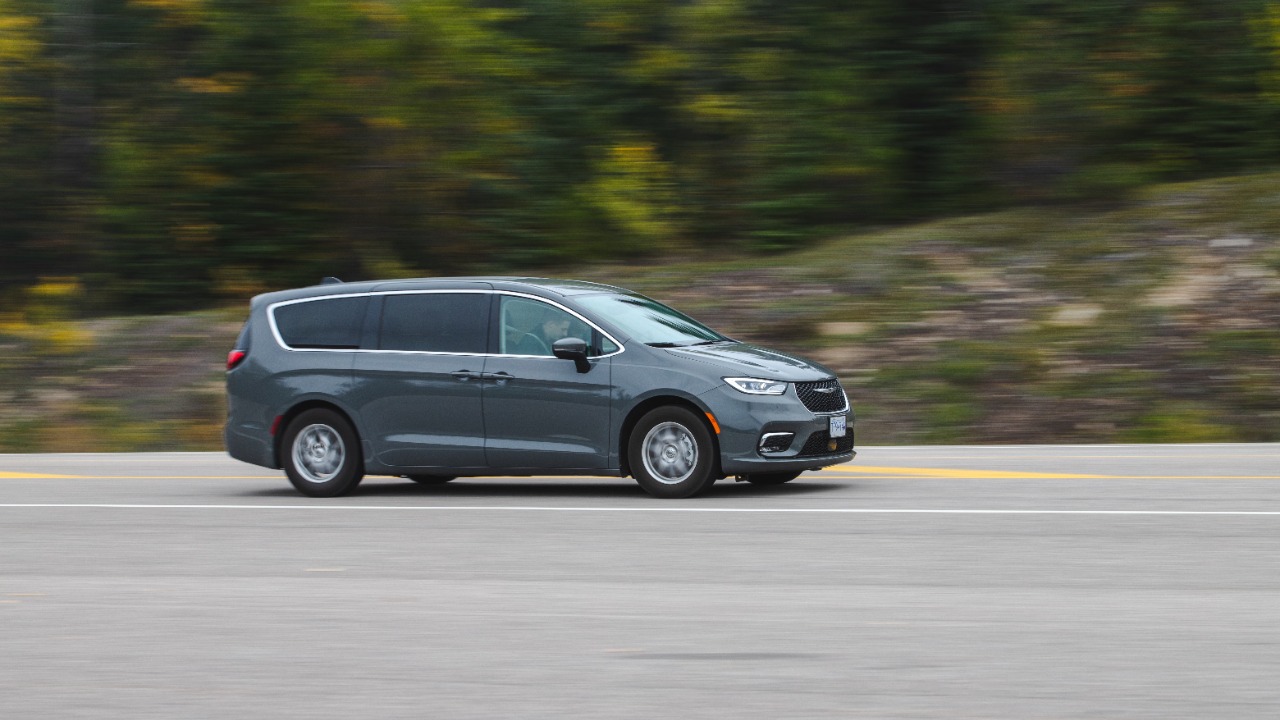

Honda is recalling 325,588 Odyssey minivans in the United States because water can enter the rearview-camera assembly and cause the image to disappear when the vehicle is shifted into reverse.
The recall covers certain model-year 2018 through 2020 Honda Odyssey vehicles. Moisture can reach the camera’s internal printed circuit board through a crack or opening in the assembly, causing corrosion that may eventually stop the camera from displaying an image. Losing the rear view can reduce a driver’s ability to see children, pedestrians, objects or vehicles behind the minivan and increase the risk of a crash or injury.
Honda dealers will replace affected cameras at no cost to vehicle owners. Notification letters are expected to begin reaching owners in August 2026, but drivers do not need to wait for a letter before checking whether their minivan is included.
Which Honda Odyssey Minivans Are Recalled?
The recall applies to 325,588 Honda Odyssey minivans from the 2018, 2019 and 2020 model years. The affected vehicles were produced between January 24, 2017, and July 22, 2020.
Not every Odyssey from those model years is necessarily affected. Recall eligibility depends on the individual vehicle identification number and the type of rearview camera installed.
Some affected minivans had already been included in a 2020 recall or addressed through an earlier product-update campaign. Honda determined that some vehicles may still contain the original Magna-manufactured camera that remains vulnerable to water intrusion. The latest recall is intended to replace those units with updated Sony rearview cameras.
Owners can enter the 17-character VIN on the National Highway Traffic Safety Administration recall page. The VIN is normally visible through the lower driver-side corner of the windshield and is also printed on the driver’s doorjamb, registration documents and insurance records.
Why the Backup Camera Can Fail
The problem begins when water enters the rearview-camera housing. Once moisture reaches the internal circuit board, corrosion can damage the electrical connections responsible for capturing and transmitting the image to the dashboard display.
The failure may not happen immediately after water enters. Corrosion can develop gradually, meaning the camera may work normally for months before the image begins flickering, becoming distorted or disappearing completely.
Drivers may first notice an intermittent black screen or an image that appears only occasionally. In other vehicles, the camera may stop working without much warning.
The recall documents estimate that approximately 0.8% of the recalled vehicles, or around 2,604 minivans, may contain the defect. That percentage is relatively small, but a recall covers the wider population because Honda cannot identify every defective unit through ordinary visual inspection alone.
Why a Dark Backup Camera Creates a Safety Risk
Backup cameras became mandatory on newly manufactured passenger vehicles in the United States because they help drivers see the area immediately behind a vehicle that mirrors cannot fully cover.
This visibility is especially important in a minivan such as the Odyssey. Its height, length and rear structure can create a substantial blind zone, particularly close to the rear bumper.
A failed camera may make it harder to notice a small child, pet, shopping cart, bicycle or low object. The risk can be greater in driveways, school parking areas and crowded residential locations where people may move behind a vehicle unexpectedly.
The defect also means affected vehicles may fail to meet Federal Motor Vehicle Safety Standard 111, which establishes rear-visibility requirements for passenger vehicles.
A backup camera should still be treated as an additional safety aid rather than a substitute for checking mirrors and looking around the vehicle. The NHTSA’s vehicle-safety resources recommend checking recalls by VIN and having open safety recalls repaired free of charge.
What Honda Will Do to Fix the Problem
Authorized Honda dealers will remove the affected rearview camera and install a redesigned replacement at no cost to the owner.
The newer camera is intended to prevent the water-intrusion and corrosion problem affecting the original units. Owners should confirm the expected repair time with their dealership when scheduling an appointment because parts availability and service demand may vary.
Owner notification letters are expected to be mailed beginning August 24, 2026. Drivers who believe their Odyssey is included can contact Honda customer service or search their VIN before the letters arrive.
Recall repairs are free regardless of whether the vehicle is still covered by its original warranty. A vehicle’s age, mileage or number of previous owners does not remove the manufacturer’s responsibility to complete an open safety-recall repair.
Used-car buyers should also check the VIN before purchasing an Odyssey from these model years. A seller may not know that a recall remains open, particularly when the vehicle has changed ownership since the original notices were issued.
Some Vehicles Were Previously Recalled for Similar Camera Problems
Honda Odyssey owners may recognize this issue because the model has been involved in earlier rearview-camera recalls.
In 2020, Honda recalled certain 2018 through 2020 Odyssey minivans over water entering the rearview camera. The remedy involved replacing the original camera with a redesigned unit.
Honda also recalled nearly 1.2 million Odyssey, Pilot and Passport vehicles in 2023 because a faulty communication connection could interrupt the backup-camera image. That separate issue involved the vehicle’s media-oriented communication network rather than water entering the camera housing.
The newest campaign appears to revisit vehicles that may still have an original or insufficiently corrected camera from the earlier water-intrusion problem. Owners should therefore check the VIN even when they remember visiting a dealership for a previous camera-related repair.
Different recalls can produce the same visible symptom while requiring different repairs. A black screen could result from the camera itself, wiring, software, a communication cable or the dashboard display. A dealership must identify which recall and remedy apply to the specific vehicle.
What Owners Should Do Before the Repair
Drivers should continue checking behind the vehicle directly and using side and rearview mirrors whenever reversing.
When practical, the area behind the minivan should be inspected before entering the vehicle, especially in a driveway or location where children may be present. Drivers should reverse slowly and stop immediately if visibility is uncertain.
A camera that works intermittently should not be considered reliable. The image could disappear during the next trip, particularly after rain, washing the vehicle or exposure to moisture.
Owners should not attempt to seal, open or repair the camera assembly themselves. Unapproved repairs could damage the camera further, interfere with the official remedy or fail to address corrosion that has already developed internally.
Anyone who has already paid to replace a failed rearview camera should retain receipts and contact Honda. Depending on the circumstances and recall terms, reimbursement may be available for qualifying repairs completed before the official recall remedy.
How to Check Whether an Odyssey Has an Open Recall
The most reliable method is to search by VIN through the NHTSA recall lookup tool or Honda’s official recall-checking system.
A model-year search alone cannot confirm whether a particular vehicle is included. The VIN links the search to the vehicle’s production date, installed components and recall history.
The NHTSA database may take time to update immediately after a manufacturer announces a new campaign. Owners who receive no result but believe their vehicle matches the affected years can check again later or contact Honda directly.
Recall status should also be reviewed after buying a used vehicle. Notification letters are usually mailed to the registered owner known to the manufacturer, so they may not reach someone who recently purchased the vehicle or moved to another address.
The Recall Should Not Be Ignored Because the Camera Still Works
A functioning camera does not prove that the vehicle is unaffected. Water damage and circuit-board corrosion may develop over time without obvious external signs.
Honda’s recall is preventive. The purpose is to replace the vulnerable camera before it fails during a reversing maneuver.
The company estimates that only a fraction of the recalled population contains the defect, but owners cannot reliably determine that by looking at the camera lens. Checking the VIN and completing the free repair is safer than waiting for the screen to go dark.
For families who rely on an Odyssey for school transportation, shopping and daily travel, the rearview camera is an important safety feature. Honda’s latest recall gives affected owners a clear remedy: confirm the VIN, schedule the free replacement and continue using mirrors and direct observation every time the minivan moves in reverse.