
Google is preparing to bring ID passes in Google Wallet to selected European Union member states during summer 2026, expanding the app beyond payments, tickets and loyalty cards into digital identity management. The update will allow eligible Android users to store a verified digital identity credential on their phones and use it to prove certain identity details when supported by participating services.
The expansion also introduces a privacy-focused age-verification system developed with Sparkasse Bank. Instead of handing over a full identity document, an eligible user may be able to confirm that an age requirement has been met without revealing a name, residential address or complete date of birth.
The announcement, highlighted in Engadget’s cybersecurity coverage, reflects a wider movement toward digital identity systems that reveal only the information needed for a specific transaction. However, Google has not yet disclosed which EU countries will receive ID pass support first or provided an exact rollout date.
Google Confirms ID Pass Expansion Across Europe
Google announced the European expansion during Money20/20 Europe on June 4, 2026. According to the company’s official digital identity and payment announcement, ID passes are planned for selected EU member states during the summer.
The feature builds on earlier digital identity launches in markets including Brazil, Singapore, Taiwan, the United Kingdom and the United States. Google has also introduced a separate Aadhaar credential service in India.
No participating EU member states were named in the initial announcement. Google also did not confirm whether all supported countries would receive the feature simultaneously or whether availability would begin through a limited phased rollout. The existing Google Wallet support page continues to list only the currently enabled ID pass regions, suggesting that European availability will depend on future app, government and issuer updates.
How a Google Wallet ID Pass Works
An ID pass is a digital credential created from an eligible government document, commonly an electronic passport containing a readable security chip. Under Google’s existing setup process, the user scans the passport’s information page, reads its chip with the phone’s NFC capability and records a short facial video.
The passport photograph and facial video are compared to confirm that the person creating the credential is the document holder. Depending on the selected verification option, the comparison may be completed through automated biometric matching or a manual review.
Google states that biometric templates created for automated matching are deleted after verification is completed. The finished credential is encrypted and saved locally on the Android device rather than stored as an ordinary file inside the user’s Google Account.
Current technical requirements include Android 9 or later, NFC support, a screen lock and a valid passport from a supported region. Bluetooth and nearby-device access may also be required when presenting the credential. European requirements could differ when the service officially becomes available, particularly if national identity authorities support additional documents or verification methods.
Sparkasse Partnership Brings Private Age Verification
One of the most significant elements of the rollout is Google’s partnership with Sparkasse Bank, the German network of savings banks. Sparkasse customers will be able to receive a digital age credential that can be stored and presented through Google Wallet.
The credential is designed to confirm whether a person meets a required age threshold without exposing unnecessary identifying information. A retailer, website or service may need to know whether someone is older than 18, for example, but it may not need that person’s name, address or exact birth date.
Google says the Sparkasse integration will allow customers to prove their age while withholding those additional details. The company intends to extend the capability to more issuers and customers in the future, although no additional banking or government partners have been named.
This approach could make age checks less intrusive than uploading a photograph of a passport or identity card to multiple websites. It may also reduce the amount of sensitive personal data stored by individual companies, limiting the potential exposure created by a future breach.
Zero-Knowledge Proofs Reduce Unnecessary Data Sharing
Google’s privacy model relies partly on zero-knowledge proof technology. A zero-knowledge proof allows one party to confirm that a statement is true without receiving the underlying information used to establish it.
In an age-verification transaction, the system can confirm that an individual is above a required age threshold without disclosing the exact birth date. The receiving service gets an answer to the relevant question rather than a complete identity record.
Google has made its zero-knowledge proof libraries available as open-source technology. The company argues that public agencies, businesses and developers can use the tools to build digital identity systems that collect less personal information.
Its zero-knowledge proof announcement also connects the technology with Europe’s digital identity plans. The updated eIDAS framework encourages privacy-enhancing identity systems capable of selective disclosure, meaning users should be able to reveal one required attribute without automatically exposing everything contained in a document.
Google Wallet Is Not the Same as the EU Digital Identity Wallet
Google Wallet’s ID pass expansion should not be confused with the official European Digital Identity Wallet initiative. Google Wallet is a privately operated Android application, while the European Digital Identity Wallet is a regulated framework under which every EU member state must provide at least one approved wallet.
The European Commission explains that official EU wallets will eventually support government and private services, allowing citizens and residents to store identity information, mobile driving licences, educational qualifications and other verified credentials. Each member state is expected to make at least one wallet available by the end of 2026, and use of the system will remain voluntary.
More information about that initiative is available through the European Commission’s European Digital Identity Wallet overview.
Google has not stated that its ID pass will replace a national European wallet. Instead, it appears positioned as an additional way to store and present eligible credentials through an application that many Android users already use for payments and passes.
An ID Pass Does Not Replace a Physical Passport
Google clearly warns that an ID pass is not automatically an official substitute for physical identity documentation. Acceptance depends on the country, organization and transaction involved.
For non-US regions, Google’s current documentation says ID passes cannot be used for immigration or international travel. A European user would therefore still need to carry a physical passport when crossing borders, even after creating a passport-based credential in Google Wallet.
The credential may initially be more useful for online identity checks, age-restricted services and participating in-person transactions. Google advises users to verify whether a requesting organization accepts the digital pass before relying on it.
Google Pay Is Also Simplifying European Checkout
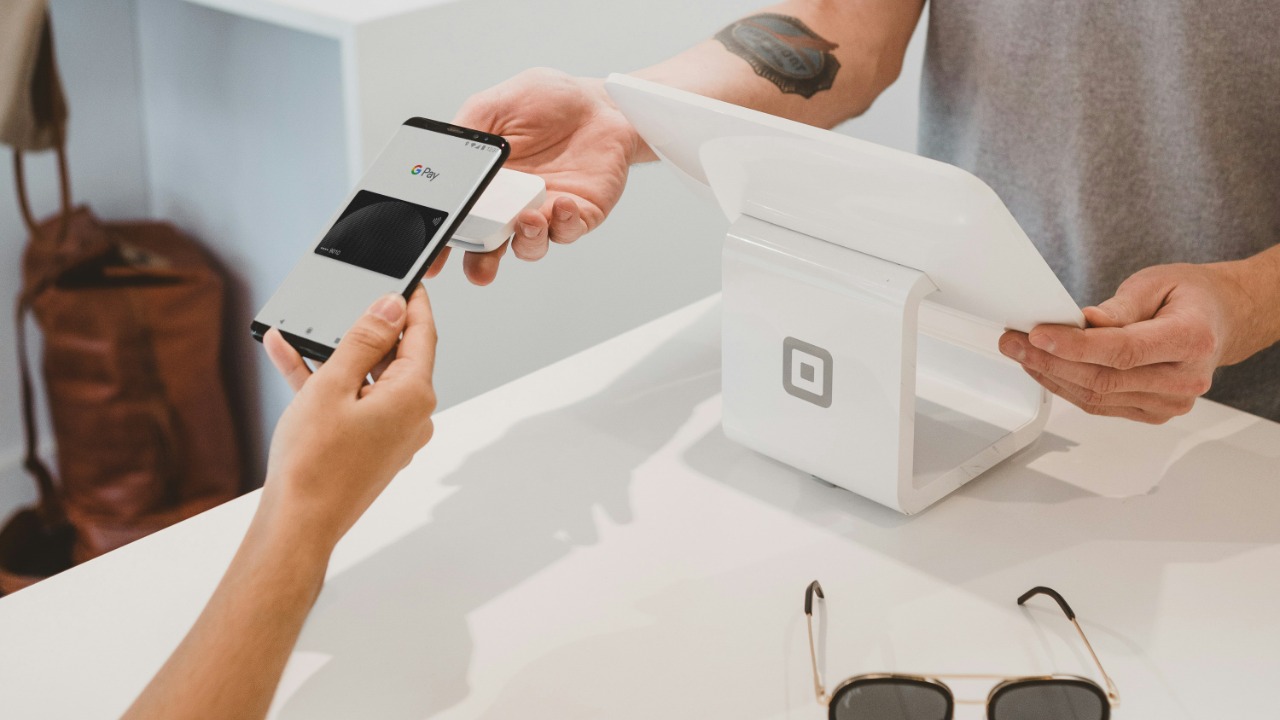
The identity expansion was announced alongside changes to Google Pay. Google Pay direct checkout will bring saved payment options from Google Wallet directly into a participating retailer’s checkout page.
The feature is currently available to selected merchants using Airwallex and is expected to expand to merchants using Adyen. Google is also updating Secure Payment Authentication to reduce the extra steps European shoppers often encounter after placing an online order.
Instead of entering a one-time code or being redirected to another verification page, eligible transactions may be approved through biometric authentication. Google reported that its internal testing reduced authentication time by 50 percent and increased conversions by 3 percent. The updated system is scheduled to roll out with Visa, Checkout.com, Autopay and Adyen in the United Kingdom and Poland during the coming months.
Digital Identity Could Change Online Verification
The Google Wallet expansion arrives as European regulators, banks and technology companies are developing new ways to verify identity without collecting excessive data.
Traditional verification often requires a person to submit an entire identity document even when a business needs only one fact. That process can expose names, photographs, document numbers, addresses and birth dates to organizations that may not require them.
Attribute-based verification changes that model. A service can request confirmation of age, identity or eligibility while the wallet asks the user to approve the specific information being shared.
Google Wallet requires authentication before an ID pass is presented through NFC, a QR code or a connected application. Users can review the requested information and cancel the transaction rather than sharing it automatically. The activity-history feature is optional and, when enabled, remains stored on the device.
Important Rollout Questions Remain Unanswered
Google’s announcement establishes the direction of the expansion but leaves several important details unresolved. The first participating EU countries remain unknown, and Google has not confirmed whether the passes will initially support only electronic passports or additional national identity documents.
Acceptance will also depend on government agencies, banks, merchants, online platforms and technology providers integrating compatible verification systems. A credential stored in Google Wallet has limited practical value until organizations are prepared to request and validate it.
The European rollout may therefore develop gradually rather than becoming universally usable on its first day. Nevertheless, the combination of digital identity, selective disclosure and biometric authentication represents an important step in Google Wallet’s transformation from a payment application into a broader identity platform.
For eligible users, the greatest benefit may not be the ability to leave a physical document at home. It may be the ability to prove one necessary fact without handing over an entire identity record.